
| Online ISSN | : | 3045-3178 |
2025: Special Issue No. 1
Research Article
-
Research Article
Applications of Nanotechnology in the Environment: Soil, Water, and Air
AbstractThe global deterioration of water, soil, and air due to the release of toxic chemicals from human activities has become a serious environmental concern, posing significant risks to ecosystems and human health while limiting the effectiveness of conventional treatment technologies. In this context, nanotechnology has emerged as a promising solution, offering cost-effective, energy-efficient, and highly efficient approaches for monitoring and treating hazardous pollutants. This review highlights recent advancements in nanotechnology and its advantages over traditional methods, focusing on the application of nanomaterials such as carbon-based nanoparticles, antibacterial nanoparticles, and metal oxide nanoparticles in environmental remediation. These nanomaterials have shown great potential in air purification (removing greenhouse gases, volatile organic compounds, and bioaerosols through adsorption, photocatalysis, and filtration), soil improvement (enhancing phytoremediation through amendment agents and stabilizers), and water treatment (eliminating organic pollutants, heavy metals, and pathogens via adsorption, membrane processes, and disinfection). By addressing these critical environmental challenges, nanotechnology paves the way for more sustainable and effective remediation strategies.
References -
Research Article
Microbial Biotechnologies in Sustainable Agriculture
AbstractExtensive use of agrochemicals and trend in climatic changes have greatly influenced agro-ecosystems and crop failures throughout the world. The ecological and economic problems of today’s agriculture have re-invigorated the idea of using natural rhizosphere microbial population in order to reduce the application of costly and environmentally-polluting agrochemicals to a minimum and alleviation abiotic and biotic stress in agricultural crops. Plant beneficial microbial resources promise to replace and/or supplement many such destructive, high intensity practices and support ecofriendly crop production. Plant growth promoting bacteria (PGPB) may promote plant growth directly through the processes such as by fixation of atmospheric nitrogen, solubilization of phosphorous, production of siderophores that solubilize and sequester iron, or production of plant growth regulators (hormones), lytic enzymes and hydrogen cyanide. Some bacteria support plant growth indirectly, by improving and/or eliminating the growth-restricting conditions either via production of antagonistic substances or by inducing resistance against plant pathogens and through competition for nutrients and space can improve significantly plant health and promote growth, as evidenced by increases in seedling emergence, vigor, and yield. Thus, application of microbial biotechnologies in crop production has ecological, environmental, and social benefits. It plays a crucial role as integral component of sustainable development.
References -
Research Article
Sustainable Land Management in Agriculture: Balancing Productivity and Environmental Health
AbstractAgriculture plays a crucial role in global food security and economic stability, yet it is increasingly threatened by land degradation. As the demand for food production intensifies due to population growth, unsustainable agricultural practices such as excessive tillage, monocropping, and the indiscriminate use of chemical fertilizers and pesticides have led to severe environmental consequences. Land degradation manifests in multiple forms, including soil erosion, salinization, loss of organic matter, desertification, and contamination of water resources. Sustainable land management (SLM) approaches offer viable solutions to mitigate these challenges while maintaining high crop yields. Strategies such as conservation agriculture, agroforestry, integrated nutrient management, precision farming, and organic amendments enhance soil fertility, improve water retention, and reduce dependence on synthetic inputs. Additionally, technological advancements like remote sensing, Geographic Information Systems (GIS), and artificial intelligence-driven land monitoring provide critical insights into soil health and land-use patterns, enabling data-driven decision-making for sustainable agriculture. This paper reviews the intricate relationship between agricultural productivity and land degradation, exploring innovative soil and water conservation techniques, regenerative agriculture, and the role of indigenous knowledge in fostering resilience It also explores the impact of chemical inputs on soil health and, provides a comprehensive foundation for developing integrated strategies that balance agricultural productivity with long-term ecological sustainability and emphasize the need for multidisciplinary approaches that incorporate scientific advancements, traditional practices, and policy innovations to mitigate land degradation while ensuring global food security in an era of climate change.
References -
Research Article
Enhancing Carbon Sequestration through Sustainable Land Management for Climate Resilience and SDG Achievement
AbstractClimate change poses a critical global challenge, driven by human-induced emissions of greenhouse gases like carbon dioxide (CO2), methane (CH4), and nitrous oxide (N2O). These gases contribute to the greenhouse effect, leading to long-term alterations in Earth's atmospheric conditions, including temperature and precipitation patterns. Addressing this challenge requires innovative approaches, among which carbon sequestration emerges as a pivotal strategy. Carbon sequestration involves the capture and storage of atmospheric carbon, crucial for mitigating greenhouse gas emissions. Natural ecosystems such as forests, wetlands, and oceans, alongside human-engineered methods like afforestation, reforestation, and advanced carbon capture technologies, play integral roles in this process. By enhancing environmental resilience, carbon sequestration not only mitigates climate change impacts but also promotes sustainable development goals (SDGs). Effective land-use practices integrating carbon sequestration not only enhance ecosystem resilience but also foster economic growth, food security and societal well-being. Emphasizing sustainable land management practices and supporting policies can drive these benefits further. International agreements such as the Paris Agreement provide essential frameworks for global collaboration on carbon sequestration efforts. There is an urgent need for coordinated efforts among governments, international organizations and stakeholders to implement robust regulations, incentives and financial mechanisms that support carbon sequestration initiatives. By doing so, we can address climate change effectively while advancing towards a more sustainable and resilient future.
References -
Research Article
Enhancing Silk Yield: The Impact of Essential Amino Acid Supplementation on Bombyx mori L.
AbstractSilkworm (Bombyx mori L.) cocoon production depends on the quality and quantity of mulberry leaves consumed. Any variation in nutritional supply, particularly amino acid content, directly affects cocoon yield. This study examines the impact of essential amino acids on the biological, economic, and biochemical traits of B. mori. Two mulberry varieties, Ichinose and Goshoerami, were analyzed for amino acid composition using LC-MS and spectrophotometry. Larvae were fed mulberry leaves coated with methionine, lysine, and tryptophan solutions (0.5%, 1.0%, and 1.5%), and their traits were compared to control groups. Methionine supplementation at 0.5% consistently improved biological traits (larval weight, silk gland weight, silk productivity) and economic traits (larval duration, cocoon yield, shell percentage, filament length). Biochemical analysis showed increased total protein, free amino acids, and antioxidant activity in hemolymph and silk gland tissues, with elevated amino acid levels in supplemented groups. These findings highlight the potential of essential amino acid supplementation, particularly methionine, in optimizing silkworm performance and enhancing silk production, offering promising prospects for sustainable sericulture.
References -
Research Article
Effect of Post-Harvest Treatments on Shelf-Life and Fruit Quality Attributes of Different Cultivars of Indian Gooseberry
AbstractAonla (Emblica officinalis Gaertn.) is an important underutilize indigenous fruit crop of India. After harvesting, shelf life of Aonla fruits is very short that is up-to 5-6 days only. Objective of the present study was to evaluate the effects of various post-harvest treatments under ambient storage condition on Aonla cultivars grown in North India. cultivars viz. Narendra Aonla-6, NA-7, NA-10, NA-25, NA-26, NA-27 and Francis were used in this experiment. Physiological Loss in Weight (PLW), Decay loss, Soluble Solids Content, Acidity, Ascorbic acid and Sugars were determined from 4 and 12 days of interval. The pooled results revealed that Physiological Loss in Weight, Decay loss, Total Soluble solids, Reducing Sugars, Non-reducing Sugar and Total Sugars exhibited increasing trend whereas Acidity and Ascorbic acid content showed a downswing trend with the progression of storage span among all cultivars. Aloevera gel (100%) and calcium chloride (5%) with acetic acid (1%) were the most effective in decreasing the weight loss, and spoilage loss and in increasing the higher contents of ascorbic acid content compared to Aonla cultivars dipped into potassium permanganate solution and in control. In conclusion postharvest treatment of different cultivars of Aonla with 100 % Aloevera gel and calcium chloride (5%) with acetic acid (1%) extended ambient storage life and maintained quality as well.
References -
Research Article
Improving the Forecasting and Control of the Development of Invasions of Dendrotopathogenic Fungi in Belarus
AbstractClimate change and increasing anthropogenic influence, including the mass introduction of cultivated and ornamental plants and the expansion of the network of trade and transport links between remote regions, lead to an increasing threat of the spread of invasive species. For example, on average, 3-4 new pathogens of woody plants are recorded annually in Belarus. There is a tendency for some types of pathogens to increase their harmfulness, which were previously encountered singly and did not cause significant economic harm. Thus, an important task for crop production and forestry is the forecast and control of biological invasions of phytopathogenic organisms. The paper presents data from long-term monitoring of invasive phytopathogens in forests and parkland in Belarus. Over the past two decades, 53 new types of pathogens of woody plants have been identified in the country. The environmental and economic damage caused by them is discussed, examples of the development and application of measures to protect natural phytocenoses from dangerous invasions are given. Algorithms for predicting the spread of new types of phytopathogenic fungi using computer modeling in the Maxent environment are proposed. They allow one to assess the suitability of the territory for the development of dendropathogens at present and in the future, under various climate change scenarios.
References -
Research Article
Treatment and Recycling of Heavy Metals-Containing Wastewater and Soil Using Super-Stable Mineralization Materials
AbstractWith the rapid industrial development, industrial wastewater poses a significant environmental burden. The prevailing chemical precipitation treatment requires excessive chemicals, leading to substantial sludge production, unstable hydroxides, and limited resource utilization. Addressing these challenges, Duan Xue’s team proposed the super-stable mineralizer technique. LDHs replace heavy metal ions by isomorphous substitution, creating a super stable mineralized structure. This approach effectively reduces heavy metal ion migration and bioavailability. With its versatility in treating Ni, Cu, Cr, and Pb, it also proven effective in real wastewater. Moreover, the super-stable mineralized materials selectively convert trace ionic gold into simpler gold, exhibiting exceptional performance in electrolytic water and CO2PR. This innovation offers new possibilities in clean energy and waste resource recycling. In treating highly concentrated heavy metal wastewater, it successfully transforms Cu, Ni, Pb, and other metals into elemental forms, enabling heavy metal resource recovery and expanding the application of treating heavy metal-polluted wastewater.
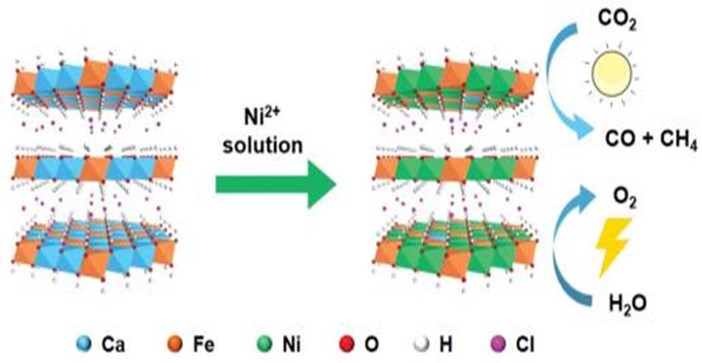
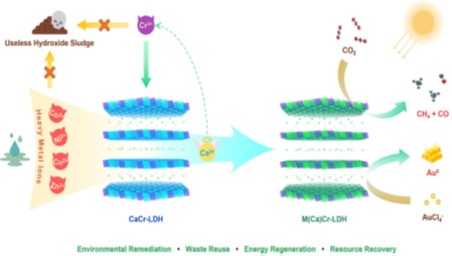
This figure explains mechanism of super-stable mineralization and catalytic application.
References -
Research Article
Deciphering Pollen Parent (B. nigra) Compatibility in B. rapa Accessions: Pollen–pistil Interaction Studies Reveal Wide Compatibility in NRCPB-Rapa-8 for Enhanced B. juncea Resynthesis
AbstractBrassica juncea is an amphidiploid (AABB, 2n=36) derived in nature from the hybridization of B. rapa (AA, 2n=20) and B. nigra (BB, 2n=16), is India’s first ranked oilseed crop in terms of production. Its limited genetic diversity due to involvement of only a few parental accession and selections during the developmental process makes it prone to diseases and environmental stresses. Resynthesizing B. Juncea with diverse progenitor accessions can address this issue but is hindered by embryo abortion and tedious tissue culture for successful wide hybridization processes. At ICAR-NIPB, we identified a novel B. rapa var. yellow sarson “NRCPB rapa 8” (IC No. C0623820; INGR17050), enabling in-vivo seed development when crossed with B. nigra accessions without any tissue culture interventions. At ICAR-NIPB, over the last three years, we crossed three B. rapa accessions NRCPB rapa 8 (Br8), rapa 15 (Br4), and pusa gold (Br9) with ten B. nigra accessions (Bn). Among the crosses, Br8 showed the highest seed set (16.04%), followed by Br9 (3.35%) and Br4 (0.5%), hybrid formation frequency from F1 seeds was 84.3%, 31.9% and 0.38% respectively. A total of 13,728 buds were pollinated for seed set and pollen-pistil interaction (P-PI) were studied to address the seed set percentage variation. P-PI were analyzed at 13 time points using aniline blue staining (ABS) method with fluorescence microscope, focusing on pollen germination (Pg), pollen tube growth, and pollen abnormalities. In Br8 and Br9, Pg occurred within 3 hours post-pollination, pollen tube (Pt) reached the mid-style at 6 Hap, and Pt reached ovules by 1 day after pollination (Dap). In contrast, Br4 × Bn exhibited slower pollen tube growth callose deposition, and inhibition of pollen tube growth due to self-incompatibility, confirmed via ABS analysis. This research further aims to advance metabolomics and transcriptomics to identify genes involved in wide compatibility in Br8.
References -
Research Article
Biofortification of Radish (Raphanus sativus L.) Microgreen with Nano Zinc Oxide
AbstractZinc is a vital trace element for human health since it is necessary for many physiological functions, such as metabolic pathways and gene control. One tactic to combat this nutritional problem is to eat foods that have been biofortified with zinc. ZnO nanoparticles may improve the phytochemical composition of microgreens and increase their nutritional value. Microgreens are immature seedlings that are picked shortly after their real leaves appear. In recent years, they have been a popular new culinary trend since they provide our meals with strong flavours, a variety of hues, and textures. Radish is grown and consumed all over the world and is considered part of the human diet. Microgreens are regarded as a viable target crop for mineral biofortification due to their favourable response to nutrient inputs. Therefore, this study aimed to examine the effects of nano zinc oxide at different application rates (0, 5, 10, 15 and 20 mg/L of ZnO) on the weight and quality of radish microgreens. Microgreens treated with 10 mg/L of nano ZnO showed the highest weight of 100 seedlings and length of seedlings (14.92 gm and 11.9 cm, respectively). The highest content of Zn was observed with 10 mg/L of nano ZnO, while the highest content of Fe was observed with 20 mg/L ZnO. In conclusion, Zn biofortification with nano zinc is effective in enriching radish microgreens with zinc and also enhances growth parameters.
References -
Research Article
Antibiotic Activity of Plant Metabolites and Possibilities of Their Application
AbstractThe growing evidences of antibiotic-resistance requires the search for new alternatives to already known antimicrobial agents. In this study we aimed to investigate the antibacterial potential of four known natural flavonoids (catechin, gallic acid, rutin and quercetin) and one sugar alcohol – myo-inositol. These metabolites are abundant in the extracts of plants used in Armenian folk medicine. The applied bacterial strains were different gram-negative and gram- positive bacteria: Escherichia coli K12, ampicillin-resistant E. coli DH5a-pUC18, kanamycin- resistant E. coli pARG25, Salmonella typhimurium MDC 1754, Bacillus subtilis WT-A1 and Staphylococcus aureus MDC 5233. The disc-diffusion method was employed to assess the preliminary antimicrobial activity. Catechin, gallic acid, and quercetin exhibited no inhibitory effect on any tested bacteria in this test. In contrast, myo-inositol formed bacterial growth inhibition zones ranging in size: 7.0-9.0 mm in case of E. coli K12, 11.0-18.0 mm for B. subtilis, and 12.0-21.0 mm for S. aureus, while rutin exhibited inhibition zones of 12.0-15.0 mm in case of B. subtilis and 15.0-16.0 mm – S. aureus. MTT-assay was performed to evaluate bacterial susceptibility to antibiotics after the treatment with plant metabolites. The results indicated that catechin and inositol had no significant antibacterial effect on kanamycin-resistant E. coli, while gallic acid, rutin, and inositol showed no effect on ampicillin-resistant E. coli. However, the quercetin (0.25 mg/mL) reduced the MIC of kanamycin for E. coli pARG25 fourfold, and the MIC of ampicillin for E. coli DH5a-pUC18 halved under the influence of quercetin (0.25 mg/mL). Similarly, gallic acid and rutin each reduced the MIC of kanamycin for E. coli pARG25 twofold, and catechin reduced the MIC of ampicillin for E. coli DH5a-pUC18 twofold. Our results indicate the potential of flavonoid-based antibacterial agents. Warranting further research to explain their mechanisms of action and potential clinical applications.
References -
Research Article
Addressing Persistent Toxic Substances and Emerging Chemicals: Ecological and Health Implications in a Changing Environment
AbstractThe presentation delves into the significant ecological and health impacts of Persistent Toxic Substances (PTS) and Emerging Chemicals of Concern (ECCs). PTS, including heavy metals and persistent organic pollutants, pose severe risks due to their bioaccumulation and persistence in the environment. The critical pathways these toxins infiltrate food chains are highlighted, leading to various health issues. Three key case studies illustrate these concerns: (1) Arsenic Contamination: In Southeast Asia, high arsenic levels in drinking water and agricultural products lead to serious health risks, including arsenicosis. The study emphasizes the need for comprehensive assessments of arsenic exposure and its effects on local populations. (2) Mercury in Fish: The bioaccumulation of mercury in fish and the subsequent biomagnification in the food chain, particularly through industrial contamination, poses risks to human health. Fish-fed commercial feed pellets that contained contaminated fishmeal also exacerbated the problem. (3) Toxic Emissions from E-Waste Recycling: Severe human health hazards are associated with electronic waste recycling. Toxic chemicals released during dismantling and processing lead to respiratory issues, neurological disorders, and increased cancer risks among workers and nearby communities. Emerging chemicals, particularly plastics and microplastics, represent another critical concern. Substances like bisphenol A (BPA) and phthalates are notorious for their endocrine-disrupting properties and potential health impacts, posing risks to human health and wildlife. In conclusion, addressing the challenges posed by PTS and ECCs requires a multifaceted approach involving robust regulatory frameworks, public awareness, and international collaboration to safeguard health and protect the environment.
References -
Research Article
Natural Product Discovery from Indian Endophytic Fungi: A Promising Avenue for Drug Development
AbstractFungi are a prolific source of bioactive secondary metabolites, many of which possess unique chemical scaffolds and mechanisms of action. Due to their adaptation to extreme and competitive environments, fungi produce a chemically diverse array of compounds, including alkaloids, quinones, furanones, pyrones, benzopyranoids, xanthones, terpenes, steroids, peptides, and acyclic metabolites. These compounds exhibit a broad spectrum of biological activities, such as anticancer, antibacterial, antifungal, antiviral, anti-inflammatory, and anti-Alzheimer’s effects. Our research focuses on the discovery of novel bioactive metabolites from fungi native to the Indian subcontinent, particularly endophytic and marine-derived species. This region presents a rich and largely untapped resource for drug discovery, as India is home to two of the world’s twelve mega biodiversity hotspots. Notably, over one-third of the 17,500 flowering plant species found in India are endemic, thriving in a range of habitats—from tropical and coastal ecosystems to alpine and desert regions—supporting a wide diversity of fungal symbionts. In our drug discovery efforts, we have screened over 50,000 fungal Isolates using cell-based, target-based, and enzyme-based assays to identify compounds with anticancer, anti-inflammatory, and antimicrobial potential. Additionally, select fungi have been evaluated for cosmeceutical applications and natural pigment production for the food industry. This presentation will highlight key bioactive compounds identified and discuss strategies for rapid lead generation in natural product-based drug discovery.
References -
Research Article
How FocA Facilitates Fermentation and Respiration of Formate in Escherichia coli: Sustainable Formic Acid Production
AbstractFormic acid and dihydrogen are important reductants and energy sources for microorganisms. In particular, formic acid is an attractive sustainable storage compound for future use in biofuel cells. Formate is also produced as a fermentation product by many bacteria and archaea, and it can be readily converted to H2, a fermentation process in the enterobacterium Escherichia coli. At physiological pH, formic acid is mainly present as the dissociated formate anion and therefore cannot diffuse freely across the cytoplasmic membrane. Specific and bidirectional translocation of formate across the membrane is, however, achieved in E. coli and other microorganisms by the homopentameric membrane protein, FocA (formate channel A). FocA is the archetype of the superfamily of formate-nitrate transporters (FNT), which are found in archaea, bacteria and certain protists, but not in higher eukaryotes. Bidirectional FocA-dependent translocation of formate/formic acid serves to maintain pH homeostasis during fermentation and while efflux of formic acid is by a channel-like mechanism, formate import is coupled to its disproportionation into H2 and CO2 by the formate hydrogenlyase (FHL-1) complex. Combined, these channel/transporter-like mechanisms and FHL-1 activity are suggested to help maintain the proton gradient in energy-restricted stationary phase cells. Analysis of amino acid-exchange variants of FocA has yielded insights into the biochemical mechanisms underlying movement of the acid and anion across the membrane. This has led to the identification of a FocA variant with exclusive and very efficient formic acid efflux properties, which has great potential for sustainable, whole-cell formic acid production.
References -
Research Article
Physiological and Biochemical Responses of Salt-tolerant Cultivated Amaranthus ultra to Salinity Stress
AbstractIn many parts of the world, dryness and salinity of the soil are the primary causes of lower productivity. About 30.000 hectares of Armenian soil have become salinized, posing a severe danger to the country's agricultural viability and food security. The Ararat Plain, a crucial agricultural region in Armenia, faces considerable challenges due to salinity stress, which impedes the region's potential for agriculture. Due to soil salinization, many agricultural lands are being abandoned. Therefore, it is crucial to identify salt-tolerant crops that can be cultivated in such areas addressing both food security challenges and the concurrent need for land rehabilitation. This is attributable to the fact that soil cultivation is accompanied by phytodesalination and leaching during irrigation, as well as an enhancement of the soil's biological activity. Amaranths (Amaranthus L.) are highly valued for their nutritional properties and their resilience to salinity stress. Given the rising global challenge of soil salinity, we conducted research to evaluate the salinity resistance of a particular cultivar of Amaranthus ultra. The aim of this investigation was to assess the resistance of A. ultra to salt stress and evaluate the extent to which these reactions are linked to the mechanisms involved in salt tolerance. For this purpose, we analyzed the effects of soil salinization ranging from non-saline to high saline, on various parameters, including morphological, physiological and biochemical. The results demonstrate that this plant grow well in slight to moderate saline conditions with low impact on various parameters which can contribute to a deeper comprehension of an alternative phytotechnology for remediation of saline soils by tolerant and promising crop species A. ultra in sustainable agriculture.
References -
Research Article
The Yin-Yang of the Green Fluorescent Protein: Effect on Stress Resistance in Saccharomyces cerevisiae
AbstractFluorescent biomarkers are widely used in cell biology to study gene expression and protein localization. Translational fusions, where a fluorescent protein is directly linked to a protein of interest, allow researchers to monitor subcellular distribution, while transcriptional fusions are used to assess promoter activity. Despite their extensive application, the potential physiological impact of these fluorescent tags on host cells remains largely overlooked. In this study, we investigated how the Green Fluorescent Protein (GFP) influences stress responses in the yeast Saccharomyces cerevisiae. We generated translational fusions of GFP with two proteins: Pab1p, a key component of stress granules, and Sur7p, a membrane-associated protein involved in the organization of Can1-enriched plasma membrane domains. These targets were selected because the cellular behavior of S. cerevisiae under varying heat and oxidative stress conditions remains incompletely understood. Our main findings indicate that the Pab1p-GFP fusion confers increased resistance to heat shock compared to the wild-type strain. Furthermore, strains expressing GFP-tagged proteins displayed altered cultivability under oxidative stress, suggesting that the presence of GFP can modulate the cellular stress response. In silico structural analysis confirmed that GFP fusion does not alter the overall 3D structure or function of the tagged proteins. This suggests that the observed phenotypic differences are likely due to the intrinsic properties of GFP, particularly its known ability to scavenge reactive oxygen species (ROS). These results highlight an important consideration for researchers using fluorescent tags: while GFP is generally considered a neutral reporter, it can influence cellular behaviour under stress, potentially affecting the interpretation of experimental outcomes.
References -
Research Article
Enhancing Fruit Yield and Quality in Jamun (Syzygium cumini L. Skeels) Through Genetic Improvement
AbstractJamun or Indian blackberry (Syzygium cumini L. Skeels) is commonly grown in India and some other countries for its multifarious uses including fresh consumption and value-addition of fruits, and use of leaves, fruits and seeds as ingredients in traditional medicine. Jamun trees exhibit fairly high tolerance to adverse soil conditions including drought and salinity. Both jamun fruit pulp and seed are quite rich in bioactive compounds with remarkable chemo-preventive, antioxidant, and antiproliferative properties. Despite its numerous potential uses, jamun remains an underutilized crop in India. This reflects the need for a greater emphasis on the conservation of jamun genetic resources and their utilization in developing superior cultivars. Germplasm collection, characterization and conservation constitute a vital component of our efforts since availability of divergent accessions permits further selection for desired traits. A recent analysis of 123 jamun genotypes from different parts of the Uttar Pradesh state revealed remarkable variability in fruit weight (2.04-17.66 g), seed weight (0.39-2.39 g), pulp content (61.12-94.38%), and total soluble solids (10.64-19.66 °Brix). Characterization of selected genotypes also indicated rich genetic variability for ascorbic acid, total anthocyanins, total flavonoids, total phenols, and other biochemical constituents in the fruit pulp. Similarly, characterization of 15 jamun genotypes from Rajasthan state also indicated a great deal of morpho-biochemical variability in fruit quality attributes. These efforts have led to the identification of some promising genotypes with comparatively bigger fruits (≥15.0 g) and a higher pulp content (≥85.0%). Currently, 57 diverse jamun accessions are being conserved in the field gene bank. Assessing genetic variability in the field repository also aids in the identification of accessions with superior fruit quality attributes. Two accessions (J-15 and J-36), for instance, have consistently performed well in terms of fruit weight and pulp content. Development of transcriptome sequencing libraries to mine Simple Sequence Repeats for molecular analysis is also being pursued. Substantial differences in pulp bioactive compounds among improved jamun cultivars and accessions have been identified based on LCMS-MS profiling. Future breeding strategies will primarily focus on developing precocious, high-yielding cultivars with improved shelf-life of fruits, and size-controlling clonal rootstocks.
References -
Research Article
Global Research Trends on Drought Stress and Nanoparticles (2012–2025): A Bibliometric Analysis
AbstractCurrent bibliometric performance and research trends are revealed for the topic of drought stress and nanoparticle (NPs) between 2012 and 2025 almost 13 years data that including 647 articles retrieved from 289 sources, such as journals, books, and proceedings. This analysis shows a high annual growth rate of 37.53%, average document age of 2.58 years and citation per publication average of 30.64 which reflect continuous interest and impact on the academic community on drought stress and NPs. The literature was contributed by 2709 authors with high co-authorship rate of 5.65 authors per document and of 40.49% of studies had international collaboration, illustrating the global concern and joint scientific efforts in response to drought stress challenges. The dataset consists of 397 articles, reviews, and other paper types. From "Keywords Plus," 2,753 terms and 1,486 authors' original keywords were analyzed, indicating the thematic richness of the field. The tens of thousands of References:(50,914) also highlight the richness of the literature on drought stress in plant science, agriculture, and environmental resilience in general.
References -
Research Article
Unlocking the Potential of Biochar in Drought Stress Tolerance Mechanisms: A Global Bibliometric Analysis
AbstractThis bibliometric review investigates global research trends and scientific productivity in the field of “biochar and drought stress” over a 17-year duration (2009-2025), including 489 records retrieved from 160 journals, books, and proceedings from web of science (WOS) database. This research field shows an annual steady growth rate of 21.14% on an average document age of 3.21 years with 27.83 citations per publication reflecting continuous academic attention and impact. The overall research output comprises 2361 contributing authors, high co-authorship rate of 6.76 authors per document, and 51.12% of studies being international, indicating the global importance and multidisciplinary context of the subject. The collection comprises a broad variety of different document types, with original research articles (410) composing the majority, as well as reviews (56) and other types of contributions. Keyword maps show a conceptual universe of 1,380 authors' keywords and 1,054 Keywords Plus, and themes include soil health, water retention, plant productivity, and resilience to climate. 24,761 References:also demonstrate the depth of the scholarly public interest in employing biochar as a sustainable tool to mitigate drought stress under agroecosystems.
References -
Research Article
Biochar and Zinc Oxide Nanoparticle-Based Soil and Seed Priming for Enhancing Morphological, Physiological, and Biochemical Traits of Armenian Wheat (Triticum aestivum L.) Genotypes Under Salinity Stress
AbstractSalinity is one of the critical abiotic stresses negatively affecting wheat (Triticum aestivum L.) germination, seedling development, and yield potential [7–11]. This study evaluates the efficacy of biochar-based soil and NPs based seed priming along with zinc oxide (ZnO-NPs) in enhancing salt tolerance in two Armenian (Gohar and Van) wheat genotypes under three different levels of salinity stress (100, 200, and 300 mM). Seeds were primed with 50 and 100 mg/L concentrations of each ZnO-NPs and 1.3 % biochar. Morphological parameters (shoot/root length, fresh and dry biomass), physiological traits (plant height, transpiration rate), and biochemical characteristics (Na⁺, Cl⁻, and K⁺ ion concentrations, MDA, and antioxidant) were assessed. Salinity stress significantly impaired with these parameters’ growth and development in both genotypes. The findings suggest that priming of soil with biochar and seed with ZnO-NPs (50 and 100 mg/L) can serve as an efficient and sustainable strategy to mitigate salt-induced damage during early wheat development. These results support further investigation into priming technologies for improving crop resilience in salt-affected soils.
References -
Research Article
Estimating Fuel Characteristics in Tundra Ecosystems of Central Siberia, Russia
AbstractThe Northern Hemisphere plays an important role in shaping global hydrological, ecological, weather and climate processes. The Arctic tundra biome is experiencing the fastest rate of warming, leading to extensive changes of vegetation, permafrost thaw and increased wildfires. Despite their relevance for global biogeochemical and biogeophysical processes, Siberian tundra ecosystems are still extremely poorly studied, limiting the effective assessment of vegetation productivity and predicting possible fire effects. The purpose of our study was to estimate fuel structure and loads in different tundra ecosystems in the Krasnoyarsk krai, Central Siberia. The lowest fuel loads were found in dry lichen-dominated areas and on the surface of the frost-heaved hummocks. Wet herbaceous and moss tundra ecosystems were characterized by higher stores of dead organic matter due to high moisture and slower decomposition rates. In the southern tundra (near the city of Norilsk), shrub biomass accounted for most of the organic matter reserves (up to 77%), while in the northern tundra (near the settlement of Dikson) its contribution decreased to 7-15%. To better evaluate vegetation productivity and fire risks, further efforts should be made to integrate field studies and remote sensing data across the different tundra ecosystems.
References -
Research Article
Tradescantia as Test System in the Genetic Monitoring of Environmental Pollution
AbstractThe study of the level of natural environmental pollution by xenobiotics is an important task of protecting natural ecosystems and preserving biodiversity. In recent years, the use of plant test systems, including Tradescantia clones, has become increasingly relevant for assessing the mutagenic effects of pollutants, including pesticides, heavy metals and radionuclides. The advantages of this test system are the availability and high sensitivity to mutagen and toxic substances, which allows even low concentrations of pollutants. In biotesting using Tradescantia, the main marker bioassays are used: a test system of stamen hairs of the flower (SH), designed to detect somatic mutations and morphological changes in SH (genoxic effect-Trad-SHM assay), as well as a micronucleus assay for detection of microsporogenesis disorders with formation of micronuclei (MN) in microspores (clastogenic effect-Trad-MCN assay). Both bioassays are included in the International Program on Plant biossays (IPPB), under the auspices of the United Nations Environment Programme (UNEP). Long-term research by our research group (2008–2024) confirmed the possibility and prospects of using the indicator biоassays Trad-SHM and Trad-MCN in the practice of genetic monitoring of water and soil pollution of environments by various types of pollutants. In recent times, with the use of Tradescantia, we determined the level of potential mutagenicity of the surface waters of the Lake Sevan basin during the period of “bloom” (eutrification), as well as the waters of the Hrazdan and Akhuryan rivers. In addition, the level of genetic effects of soils was studied both in natural and urban conditions of environmental instability, and near the sources of technogenic pollution (soil of Yerevan city agglomeration and agricultural landscapes near Hrazdan city, as well as the environs of Lake Sevan basin). Along with the radiobiological monitoring, genetic monitoring of the level of soil mutagenicity around the NPP (taking into account the content of 137Cs), as well as the territories of the Aragats Massif, taking into account the content of long-lived natural (226Ra, 232Th, 40K) and technogenic (137Cs) radionuclides was carried out. Based on the obtained results, the feasibility of the Tradescantia using in biotesting of the potential mutagenicity level of the environment is demonstrated.
References -
Research Article
Effectiveness of Natural Farming Inputs on Agronomic Performance of French Bean
AbstractThe use of natural farming inputs is considered a viable alternative to synthetic and inorganic chemicals in agriculture, aligning with the principles of organic cultivation and sustainability. The present study was undertaken to evaluate the effect of natural farming inputs on the growth of French bean (Phaseolus vulgaris L.). The field experiment was conducted during 2024 at Department of Horticulture, School of Agriculture, ITM University, Gwalior. The experiment consisted of nine treatments in randomized block design with three replications. The treatments were used T1- Control, T2- RDF (60:120:50 kg ha-1), T3- Vermicompost + 70% R.D.F., T4- Beejamrit (1 litre/kg seed) + Jeevamrit (100 %) at weekly interval, T5- Beejamrit (1 litre/kg seed) + Ghanjeevamrit (100 %), T6- Beejamrit (1 litre/kg seed) + Jeevamrit (75 %) + Ghanjeevamrit (25 %), T7- Beejamrit (1 litre/kg seed) + Jeevamrit (50 %) + Ghanjeevamrit (50 %), T8- Beejamrit (1 litre/kg seed) + Jeevamrit (25 %) + Ghanjeevamrit (75 %) and T9- Beejamrit (1 litre/kg seed) + Jeevamrit (80 %)+ Ghanjeevamrit (80%). Treatment no. 7 i.e. Beejamrit (1 litre/kg seed) + Jeevamrit (50 %) + Ghanjeevamrit (50 %) showed fastest 50 % germination and 50 % flowering days. Beejamrit (1 litre/kg seed) + Jeevamrit (50 %) + Ghanjeevamrit (50 %) stands out with the highest mean among all treatments for leaf area and number of pods per plant.
References -
Research Article
Adaptive Strength of Armenian Barley (Hordeum vulgare L.) Genotype to Salinity Stress: Implications for Sustainable Agriculture and Food Security within the SDGs
AbstractUnderstanding the salinity stress processes is crucial for crop development and sustainable agriculture. Salinity stress has the highest level of adverse impact on crop growth and development, agricultural yield, and food security when compared with other abiotic stressors. Therefore, it is important to protect, investigate, and document traditional growing plants that can reduce salt damage and increase salt tolerance in newly grown crops for food security and sustainable agriculture. This research aimed to examine how the genotype of the cereal crop barley (Hordeum vulgare L.) responded to salinity stress. The seeds of the local genotype of barley (Alashkert) have been grown for 3 months in the greenhouse of YSU (Republic of Armenia), in perlite pots, while applying various concentrations of NaCl (0, 100, 200, 300, 400, and 500 mM). In response to increased salt stress, barley's stem length and diameter, root, stem, leaf biomass and water content, chlorophyll content, and gas exchange all reduced. However, the data also demonstrate that the barley cultivar absorbs more Na+ ions and increases the Na+/K+ ratio within its leaves, shoots, and roots under higher saline conditions. Our findings suggest that the "Alashkert" local barley genotype has potential as a crop for use in saline agriculture in Armenia and other countries. Therefore, our in-depth primary analysis of barley genotype at physiological, morphological, and biochemical levels gives a comprehensive insight into the potential to improve agricultural practices for crop improvements and management programs.
References -
Research Article
Potato Peel Waste as a Valuable Substrate for Biomass and H2 Production by Green Algae
AbstractGreen algae have great potential for waste utilization, as they can efficiently harness sunlight energy, making them promising for large-scale applications in green biotechnology. Potato peel waste (PWW), rich in carbohydrates, organic acids, amino acids, vitamins, and trace elements, presents a promising substrate for sustainable biofuel production. This study aimed to study biomass and hydrogen (H2) production by green algae Chlorella vulgaris Pa-023 and Parachlorella kessleri MDC6524, cultivated in PPW-containing media. Culture of green algae (Algae Collection, Microbial Depository Center, NAS, Armenia) were grown under aerobic conditions upon illumination. Cultivation of algae in PWW-containing media resulted in significant increases of biomass yield: 35% for C. vulgaris and 60% for P. kessleri, compared to control culture grown in Tamiya medium. Moreover, algae cultivated in PWW media also exhibited higher levels of photosynthetic pigments (total carotenoids, chlorophylls a and b), indicating enhanced photosynthetic activity. The H2 yields of C. vulgaris and P. kessleri were 1.7-fold and 3.5-fold higher, respectively, in comparison with culture, cultivated in Tamiya medium, highlighting P. kessleri as the more efficient H2 producer under the tested conditions. The addition of diuron, a specific inhibitor of photosystem II (PS II), led to a 60% inhibition of H2 yield, indicating a PS II-dependent route of H2 evolution. These findings demonstrate that PPW is a valuable and cost-effective feedstock for biomass and H2 production. Using green algae for waste management not only helps reduce waste, but also supports biomass production for green energy generation. This dual benefit enhances algae value, especially in addressing current global environmental challenges.
References -
Research Article
The Study of the Microbiome of Cheeses from Different Regions of Armenia and the Use of Lactic Acid Bacteria Isolated from Hem in Cheese Making
AbstractSelecting fermenting microbial strains with both industrial and probiotic properties is essential for the development of new functional foods. Therefore, the search for and discovery of such strains remain crucial. The aim of this study was to investigate the probiotic and industrial properties of lactic acid bacteria isolated from cheeses for their application in cheesemaking. The growth rate of lactic acid bacteria, as well as the effects of metal ions and vitamins on their growth, were studied photometrically. Acid production was measured potentiometrically, proteolytic activity was assessed using polyacrylamide gel electrophoresis, and antibiotic resistance was determined using the well-diffusion method. The anti-yeast activity of the strains was assessed using the double-layer agar diffusion method. It was demonstrated that the Lactobacillus delbrueckii subs. lactis Ch 3.4 strain exhibited proteolytic activity, while the Lacticaseibacillus rhamnosus Ch 7.1 strain displayed lipolytic activity. Both strains were capable of fermenting a wide range of carbohydrates, making them valuable fermenting microorganisms for production. The effects of metal ions (Ca2+ and Mg2+ 10 mM final concentration of each) and vitamins (C- 130 μg/ml, B6- 80 μg/ml, B12- 2 μg/ml) are strain-dependent and vary depending on the test organism. The two strains studied do not exhibit anti-yeast activity. They are mostly sensitive to antibiotics and show no cytotoxic effects. These findings highlight the potential of these lactic acid bacteria strains as promising candidates for industrial and probiotic applications in cheesemaking and other functional food development.
References -
Research Article
Hap4 System-Regulated Plasma Membrane Proton Fluxes are Crucial for Saccharomyces cerevisiae Adaptation to Varying pH, Oxygen, and Glucose Concentrations
AbstractThe heme-activated Hap4 complex is a transcriptional factor of respiration in Saccharomyces cerevisiae, which acts as a global regulator of TCA cycle, complexes III and IV of the electron transport chain, and mitochondrial biogenesis. This study aims to investigate the role of the Hap4 in yeast growth and proton flux regulation across the cell membrane depending on external pH (3.0 or 5.0), glucose concentrations (0.5% or 2%), and oxygen availability (aerobic or oxygen-limited conditions). Growth performance was evaluated using the specific growth rate (SGR), and proton flux across the whole-cell membrane was assessed using a potentiometric method. Results demonstrated that aerobic conditions and pH 5.0 supported the highest SGR (0.4 h⁻¹ in S. cerevisiae W303-1B and 0.2 h⁻¹ in Δhap4) during aerobic growth with 2% glucose. The Δhap4 strain exhibited significantly prolonged lag phase (~7 h compared to 2 h in W303-1B) and an 8-fold decrease in SGR compared to wild-type strain. The highest proton flux rate (4.5 mM H⁺ min⁻¹ CFU⁻¹) was observed in W303-1B strain during aerobic growth and had remained constant at pH 3.0 - 5.0, whereas Δhap4 displayed a 6-fold reduction of SGR in microaerophilic growth. Both strains exhibited a similar pattern of proton flux during aerobic growth at pH 3.0 -independent of glucose concentration—with a 3-fold inhibition of proton flux upon treatment with DCCD. This suggests that under aerobic conditions, DCCD-sensitive proton fluxes are not dependent on the Hap4 system, indicating a Hap4-independent mechanism of pH adaptation. In contrast, under microaerophilic conditions, the Δhap4 showed a complete absence of proton flux compared to the wild-type strain, indicating a critical role of Hap4 in pH adaptation under these conditions. The results obtained can be used in metabolic engineering strategies, to increase yeast robustness and industrial fermentation efficiency under varying environmental conditions.
References -
Research Article
Neurofeedback: A Non-Invasive Approach to Brain Self-Regulation and Its Applications
AbstractNeurofeedback is a scientifically grounded, non-invasive method that enables individuals to modulate brain activity through real-time EEG-based feedback. By translating brainwave patterns into visual or auditory stimuli, users learn to self-regulate neural function, achieving improved cognitive, emotional, and physiological balance. This form of operant conditioning has demonstrated clinical efficacy across a range of disorders, including anxiety, ADHD, PTSD, insomnia, chronic pain, and neurodevelopmental or neurodegenerative conditions. Training protocols are customized based on initial quantitative EEG (qEEG) assessments, targeting specific dysregulations in brainwave activity. In addition to therapeutic contexts, neurofeedback has gained traction in domains requiring sustained performance under pressure, such as elite sports, aviation, and military operations. It is used to enhance focus, stress resilience, decision-making, and emotional regulation, often as part of broader peak performance or mental preparedness programs. Protocols may be integrated with complementary measures such as heart rate variability (HRV) biofeedback and are suitable for both individual and group interventions. As a non-pharmaceutical and adaptive modality, neurofeedback supports long-term neuroplastic change and offers a safe, personalized tool for optimizing mental function across clinical and high-performance populations.
References -
Research Article
Biological Activities of Scorpion Venom and Hemolymph from Two Armenian Species
AbstractArmenia is home to a rich diversity of unique species. Scorpion venom is a complex mixture of biologically active compounds that has been used in traditional medicine for centuries. Recent studies have confirmed that scorpion venom contains antimicrobial peptides effective against various bacteria. Additionally, it exhibits immunosuppressive and anticancer properties. The aim of this study is to investigate the composition and selected biological activities of venom from two scorpion species native to Armenia. The proteolytic and hemolytic activities of venom and hemolymph from Mesobuthus caucasicus and Androctonus crassicauda scorpions were analyzed using 12% SDS-PAGE. Protein fractions were separated based on their molecular weight under denaturing conditions. Antibacterial activity of the crude venom, hemolymph, and isolated protein fractions was assessed using the agar diffusion method. The venom and hemolymph of Mesobuthus caucasicus and Androctonus crassicauda exhibit narrow-spectrum antibacterial activity. Notably, the protein composition of venom and hemolymph differs between the two species. Antibacterial effects are attributed to only two specific protein and/or glycoprotein fractions present in the venom. Furthermore, nutritional status appears to influence the protein profile of both venom and hemolymph. In addition to their antimicrobial properties, the venom and hemolymph also demonstrate proteolytic and hemolytic activities. The venom and hemolymph of Mesobuthus caucasicus and Androctonus crassicauda demonstrate distinct protein compositions and exhibit significant antibacterial, proteolytic, and hemolytic activities, highlighting their potential for biotechnological and therapeutic applications.
References -
Research Article
The Influence of Dicranium scoparium Moss Extract on the Growth of the Yeast Candida guilliermondii NP-4
AbstractOxidative stress plays a critical role in the development of numerous pathological conditions, including neurological disorders, ischemia, and cancer. Secondary metabolites in bryophytes - such as flavonoids, terpenoids, and bibenzyls - possess strong antioxidant properties comparable to ascorbic acid and tocopherol. These compounds also exhibit notable antibacterial and antifungal activities. This research aimed to investigate the antifungal effects of Dicranum scoparium extract on yeast cells and elucidate the underlying molecular mechanisms. Candida guilliermondii was selected as the model organism due to its involvement in human pathologies and its high resistance to multiple antifungal agents. In our study, extracts from the moss D. scoparium were found to contain 17.53 μg GAE g-1 of phenolic compounds, demonstrate catalase activity of 83.91 μmol s⁻¹, and exhibit an IC50 value of 21.12 μg mL-1. Treatment with aqueous moss extract inhibited yeast colony formation and mitotic activity. The extract also led to a 50% reduction in malondialdehyde levels, indicating suppressed lipid peroxidation, likely due to the activity of bioactive secondary metabolites. Moreover, the moss extract enhanced superoxide dismutase (SOD) activity in yeast by 32%, contributing to reduced intracellular reactive oxygen species (ROS) levels and potential relief from oxidative stress. Mitochondrial enzyme assays revealed a 30% increase in total ATPase activity and a 28% increase in H+-ATPase activity in whole-cell homogenates. In contrast, mitochondrial homogenates exhibited significant declines in ATPase (68%) and H+-ATPase (48%) activities, suggesting mitochondrial damage and possible respiratory chain disruption.These findings support the potential application of D. scoparium extract as a natural antifungal agent with additional antioxidative benefits.
References -
Research Article
Nematode Infections in Intermediate Gastropod Hosts: A Review of Armenian Literature
AbstractGastropoda, one of the most diverse classes of the phylum Mollusca, includes more than 65,000 species of snails and slugs. Their widespread range across different terrains has made them an excellent intermediate host for the transmission of parasitic illnesses, posing a major threat to public health, affecting around 300 million people worldwide. Snail-Transmitted Parasitic Diseases (STPDs) also affect animal health, causing significant economic losses to the agricultural industry and affecting the economy. While the Armenian mollusc fauna, as well as any parasites they carry, have been studied in the past, recent reports of the introduction of the invasive mollusc, Arion vulgaris, in Armenia, a well-known intermediate host for various nematodes, highlighted the urgent need to gather and synthesize existing information on mollusc-borne parasites. Thus, a comprehensive literature review of studies conducted in Armenia was performed to consolidate past findings and provide a baseline as a comparison point for future research. The review revealed that most commonly, these intermediate hosts were infected by nematodes such as Protostrongylus spp., in addition to Neostrongylus spp., Cystocaulus spp., Dictyocaulus spp., Sygnamus spp., and Muellerius spp. Over 30 species of terrestrial molluscs were found as intermediate hosts, with the most frequently reported species from the Deroceras, Georginapaeus, Gigantolimax, Helix, and Pupilla genera. However, with previous research timelines spanning from 1934 to 2010, this review highlights the need for further studies to update data available on the prevalence and distribution of these parasite species within their intermediate hosts across regions in Armenia, considering current invasions.
References -
Research Article
Bee Venom as a Source of Novel Antimicrobial Agents: A Regional Study From Armenia
AbstractAntimicrobial resistance poses a significant threat to global public health and development, making the discovery of new antibiotics critically important. Bee venom, long utilized in traditional medicine, shows promise as a potential source of novel antimicrobial agents. This study aimed to investigate the antagonistic activity of honeybee venom (Apis mellifera) samples collected from various regions of the Republic of Armenia and to perform a comparative analysis. Antibacterial activity was assessed using the agar diffusion method, while antifungal activity was evaluated through the agar total diffusion method. Cytotoxicity was determined using a colorimetric assay on the HeLa cervical cancer cell line. The minimum inhibitory concentration of the studied honeybee venoms against both Gram-positive and Gram-negative bacteria ranges from 0.003 to 0.03 μg/mL. A venom concentration of 3 mg/mL effectively suppresses the growth of Penicillium aurantioviolaceum and Ascosphaera apis. The venom from the Drakhtik N1 honeybee population demonstrates statistically significant cytotoxic activity at a concentration of 0.6 mg/mL. Notably, honeybee venom from different regions exhibits varying degrees of effectiveness in inhibiting cell growth, suggesting differences in both active compounds and mechanisms of action. The findings of this study highlight the potent antimicrobial and cytotoxic properties of honeybee venom, with significant variation observed among samples from different regions of Armenia. These results underscore the potential of honeybee venom as a source of novel bioactive compounds and warrant further investigation into its components and mechanisms of action for therapeutic development.
References -
Research Article
Soil Amendments for the Remediation of Cu-Contaminated Vineyard Soil: Effects of Biochar, Nanobiochar and Chitosan on Copper Bioavailability and Ecotoxicity
AbstractCopper (Cu) contamination in vineyard soils present environmental risks and affect the respective quality and ecosystem functions. This study evaluated the mitigation effect of different soil conditioners on Cu lability and ecotoxicity. A vineyard contaminated soil, relative to four treatments, with (1% of biochar-BioC, nanobiochar-nBioC and chitosan-Chit), and without (control) conditioner, was incubated for two months under controlled conditions, and copper lability was assessed by DTPA extraction. The ecotoxicity was evaluated by a behaviour test, using Eisenia fetida as biologic model, with avoidance as an endpoint (A%). All amendments reduced Cu availability, with DTPA-extractable Cu decreasing from 29.2 ± 0.3 mg kg⁻¹ (control) to 28.3 ± 0.2 (BioC), 27.5 ± 0.2 (nBioC), and 26.6 ± 0.1 mg kg⁻¹ (Chit) order. Avoidance responses were -68% (nBioC), -48% (BioC), 12% (control), and 62% (Chit). Despite decreasing Cu lability, chitosan promotes the strongest avoidance response, suggesting a potential biocidal effect on earthworms. Conversely, in BioC and nBioC treatments, pH increase, surface sorption, and Cu complexation factors can explain both reduced Cu bioavailability and enhanced ecological compatibility, especially for the nanobiochar due to its higher reactivity. For this, nanobiochar presented the most balanced performance, combining effective immobilization with lower ecotoxicological impact, suggesting its potential as a sustainable amendment for remediating Cu-contaminated vineyard soils.
References -
Research Article
Gad Acid Resistance System Plays A Critical Role in Escherichia Coli Growth, Significantly Influencing the Extracellular pH During Fermentation
AbstractEnterobacteria possess acid resistance (AR) systems to survive in acidic environments. Escherichia coli have four proton-consuming AR systems, three of which are inducible: the glutamate-dependent AR2 (Gad), arginine-dependent AR3 (Adi), and lysine-dependent AR4 (Cad). Among these, the Gad system exhibits superior efficiency under highly acidic conditions. This study examined the role of the Gad system in specific growth rate (µ) and extracellular pH (pHex) regulation during fermentation. E. coli MG1655 wild-type (WT) and a ∆gadE mutant strain (lacking the acid-responsive transcriptional activator GadE, essential for gadA and gadBC expression) were cultured in LB medium supplemented with 4 g L-1 glucose at initial pH values of 7.6, 6.5, 5.8, and 5.4. In WT, µ was 0.52 h-1 at pH 7.6, which was decreased by ~55% and ~70% at pH 5.8 and 5.4, respectively. In the gadE strain, µ was consistently lower, with reductions of ~30% at pH 7.6, ~25% at pH 6.5 and 5.8, and ~30% at pH 5.4, compared to WT. This indicates that the promoting effect of GadE on growth is more prominent at pH 7.6 and 5.4. pHex of growth medium was acidified in WT at all pH conditions due to fermentative acid production. In contrast, the gadE strain showed extracellular alkalization during the logarithmic phase (5–6 h), with pHex increases of ~ 0.79, ~ 0.18, and ~ 0.23 units at pH 7.6, 6.5, and 5.4, respectively. This variation is attributed to the absence of glutamate decarboxylation and proton consumption via the GadC antiporter. Taken together, the Gad system has an important role in bacterial growth, influencing the modulation of pHex.
References -
Research Article
Identification of Vaginal Lactic Acid Bacteria Using Classical Microbiological Techniques and MALDI-TOF MS
AbstractThe presence of lactic acid bacteria (LAB) in the vaginal microbiota is fundamental for reproductive health, primarily due to their role in sustaining an acidic pH and providing a defense against urogenital pathogens. The aim of this study was to identify six bacterial isolates (G 4.4 G 13.1, G 21.K.2, G38.0.1, G42.10.2 and G46.M.3) from the vaginal microbiome that had previously demonstrated strong antagonistic activity. The identification of the studied isolates was performed using classical bacteriological methods based on the analysis of their morphological, physiological, and biochemical characteristics. MALDI-TOF MS analysis was conducted in duplicate using the Bruker Microflex® LT/SH smart system (Bruker Daltonics, Bremen, Germany). All tested strains showed limited growth on the surface of MRS agar and produced lenticular or round, milky-white colonies measuring up to 1 mm in diameter within the depth of the agar. Research indicates that the optimal temperature for growth of the studied strains is generally 37℃, whereas strains G 13.1 and G46.M.3 exhibit optimal growth at 33℃. None of the isolates synthesized indole or deaminated arginine. All were negative for oxidase, catalase, urease, and amylase activities, exhibited homofermentative metabolism, and tested positive for gelatinase. The G46.M.3 isolate exhibits lipolytic and caseinolytic activities. The isolates demonstrated the ability to ferment a wide range of carbohydrates. According to MALDI-TOF MS analysis, strain G 4.4 was identified as Lactobacillus delbrueckii subsp. lactis, G 13.1 as Lacticaseibacillus rhamnosus, G 21.K.2 as Lactobacillus delbrueckii subsp. lactis DSM 20355, G 38.0.1 as Lacticaseibacillus paracasei, G 42.10.2 as Lacticaseibacillus rhamnosus, and G 46.M.3 as Enterococcus faecalis 20247_4 CHB. These results enhance the understanding of vaginal microbiota composition and highlight specific LAB with potential probiotic properties. Their demonstrated antagonistic activity suggests a promising role in supporting vaginal and reproductive health.
References -
Research Article
Treatment Strategies for Cold Groundwater Contaminated with High Levels of Nitrate and Ammonium, Using Nitrification, Denitrification, and Anammox
AbstractThe issue of nitrogen pollution in aquifers as a result of human activity is a serious concern, as it not only compromises the quality of groundwater but also poses a threat to public health. In situ bioremediation represents a promising approach to addressing this issue, but the challenge lies in the specific conditions of low temperatures and the presence of both high nitrate concentrations and ammonia, which remains a relatively underexplored area. In this study, we explored the feasibility of various bioremediation strategies utilizing the activity of microbial communities involved in nitrification, denitrification, and anammox processes to treat highly contaminated groundwater at a temperature of 10°C. At lower levels of pollution (1 g/L nitrate, 0.17 g/L ammonium), the strategy of nitrification followed by denitrification was successful in removing both ammonium and nitrate. At higher pollution levels (7.1 g/L nitrate, 0.3 g/L ammonium), a strategy of partial denitrification/anammox, enhanced by bioaugmentation with a mesophilic anammox community (PD/AMX+B), was found to be feasible. Both strategies could completely eliminate N species in a period of 80-87 days, which was reduced to 51-52 days in the second cycle. Nitrospira and Nitrosomonas were responsible for nitrification, whereas denitrification and anammox processes were mediated by Tolumonas, Acidovorax, Pseudomonas, Nocardioides, and Candidatus Kuenenia. For the PD/AMX+B approach, both real-time polymerase chain reaction assays and functional gene prediction analysis confirmed a continuous increase in anammox metabolic activity, despite low temperatures, confirming the success of the bioaugmentation approach. The results obtained provide a deep understanding of the sustainable bioremediation strategies for cold aquifers heavily contaminated with oxidized and reduced nitrogen compounds.
References -
Research Article
The Effect of the Electrically Conductive and Non-Conductive Carrier Materials on Dark Fermentation in Upflow Biofilters
AbstractDue to the increasing global energy demand, the transition to renewable energy sources has become a pressing issue. Dark fermentation (DF) is a promising method for producing biohydrogen as a valuable fuel and simultaneously utilizing organic waste. Among the various methods for optimizing DF, the selection of cultivation parameters and the introduction of carrier materials are crucial. Carrier materials play a vital role in ensuring the formation of biofilms, stimulating electron transfer, and establishing an effective acidogenic microbial community. The aim of this study is to evaluate the impact of conductive and non-conductive carrier materials on the efficiency of DF in upflow biofilters at different organic loading rates (OLR). A model of confectionery wastewater with a carbohydrate concentration ranging from 7.4 to 44.4 g COD/L was used as the substrate. Carbon felt (CF) and iron wool (IW) were chosen as conductive carrier materials, while polyester felt (PF) served as a non-conductive control. The parameters of hydrogen production were similar for CF and PF reactors. The highest H2 yield was observed at 14.8 g COD/L/d for CF and PF, amounting to 23.8 ml H2/g COD/d. The highest production rate was noted at 33.3 g COD/L/d and consisted up to 590.5 ml H2/L/d for PF. With a stepwise increase in OLR, an enrichment of the community with lactate-utilizing H2-producing microorganisms, such as Clostridium sensu stricto 12 and Prevotella, was shown. Low DF efficiency was observed in IW-supplemented bioreactors due to methanogenesis. PF showed the best potential for biofouling based on the results of SEM and CLSM analysis. The efficiency of H2 production in the case of CF was likely related to the contribution of conductivity and stimulation of electron transfer, as the highest ETS activity reached 1.41 mg/mg/h. Hydrogenase activity was similar for all carrier materials under the most effective experimental conditions.
References -
Research Article
The Role of Phytohormones in modulating Vegetable Crop Resilience to Abiotic Stresses
AbstractWorldwide the vegetable production is low in different growing areas due to salinity stresses, abiotic stresses are drastically decreasing yield in vegetable crops. Among abiotic stresses, drought and salinity are two more challenging constraints to sustainable vegetable production. Phytohormones are in the limelight for their potential to confer abiotic stress tolerance in plants occurs due to poor water availability, and increased salinity mainly due to an increase in irrigation with brackish water. Vegetables are considered higher water-dependent crops and require water for proper growth and yield. Drought and salinity will impair plant metabolism. When plant metabolism is impaired, growth is reduced and developmental processes are deteriorating with consequential loose in vegetable crop yield. Robust management and sustainable solutions are needed to offset the adverse effects of drought and salinity. Many agronomical practices, plant breeding approaches aid in enhancing tolerance and therefore this topic is explored in-depth. It significantly highlights the role of phytohormones in vegetable crops subjected to drought and salinity stresses. Phytohormones such as salicylic acid, melatonin, jasmonaic acid, brassinosteroids, ascorbic acid and many others act as an oxidant scavenger can then be sprayed for improving plant growth, yield, and photosynthetic pigments by modulating physiological and biochemical roles. In this way phytohormones and grafting should be studied for its tolerance of vegetable crops growing under abiotic stress conditions and sustainably improves plant performance under drought and salinity stress in solanaceae vegetable crop production.
References -
Research Article
Biogenic Silver Nanoparticles Synthesized from Rumex obtusifolius as Effective Antibacterial Agents
AbstractDeveloping innovative strategies for producing silver nanoparticles (Ag-NPs) is crucial due to their extensive applications in biomedicine, biotechnology, agriculture, and other fields. Various nanoparticles are actively being investigated in biomedicine as promising alternatives to traditional antibiotics. A critical step toward the biomedical application of NPs is the evaluation of their antibacterial activity. The green synthesis of Ag-NPs using Rumex obtusifolius leaf and seed extracts offers an eco-friendly and sustainable approach to nanoparticle production. The reduction of silver ions with an aqueous extract of R. obtusifolius resulted in the formation of AgNPs, which exhibited a distinct UV–Visible absorption peak at 430 nm. Characterization using TEM, FTIR, and SEM-EDX confirmed the nanoparticles’ stability, spherical morphology, and the presence of functional groups. In the current study, the antibacterial activity of the synthesized Ag-NPs was evaluated against the Gram-negative (Escherichia coli BW25113) and the Gram-positive (Enterococcus hirae ATCC9790 and Staphylococcus aureus MDC5233) bacterial strains. The Ag-NPs synthesized from Rumex leaf and seed extracts exhibited significant antibacterial activity, effectively inhibiting the growth and bacterial colony-forming units of both Gram-negative and Gram-positive bacteria at low concentrations, indicating their potential in combating bacterial infections. Moreover, the silver nanoparticles synthesized from the seed extract demonstrated greater antibacterial activity than those synthesized from the leaf extract. This enhanced effect may be attributed to the higher content of phenolic compounds in the seeds compared to the leaves. Overall, the findings highlight the potential of R.obtusifolius-mediated Ag-NPs as effective antibacterial agents and contribute to the advancement of green nanotechnology in biomedical applications.
References -
Research Article
Effect of Nourishment Frequency on Soybean Yield and Biochemical Parameters Under Hydroponic Conditions
AbstractThe yield and biochemical composition of plants can be affected by several factors of the external environment, such as the frequency of nutrient solution supply when growing plants hydroponically. The purpose of this study is to identify quantitative and qualitative changes in the productivity (yield and biochemical parameters) of soybeans depending on the frequency of nutrient solution supply under hydroponic conditions. Soybean yield varied significantly depending on the frequency of nourishment. In hydroponics, the maximum yield was obtained when plants were fed twice a day, which exceeded other hydroponic options by 1.2-1.8 times. When the frequency of feeding was reduced by half, the grain yield decreased by 20%, and with a fourfold decrease, by 80%. At the same time, all hydroponic options exceeded soil plants in yield by 1.1-2.0 times. Plants fed with the maximum frequency exceeded the others in 1000-grain weight by 10-30%. No significant differences in terms of fat accumulation were recorded depending on the growing technology. The frequency of feeding did not have a significant effect on the biosynthesis of protein and sugar in hydroponic soybeans, but the fiber content in the least fed and soil-grown plants increased by about 1.3-1.4 times. Soil plants, compared to hydroponics ones, had the lowest protein content (1.4-1.5 times) and the highest carbohydrate content (1.6-2.1 times). It can be concluded that for high soybean yield, plants need to be nourished twice a day in hydroponics. The frequency of nourishment in hydroponics does not affect the fat and protein content of soybean grains.
References -
Research Article
The Effect of Different Hydroponic Nutrient Solutions on The Productivity of Echinacea Purpurea (L.) Moench
AbstractEchinacea purpurea (L.) Moench is widely known for its immunomodulatory, anti-inflammatory, antioxidant, antiviral, and antifungal properties, making it one of the most widely used medicinal plants. The herb contains polysaccharides, flavonoids, phenolic acids, and a number of other biologically active substances. The aim of the research is to study the productivity of Echinacea purpurea (physiological indicators, yield, content of various biochemical compounds) in outdoor hydroponic conditions, using several well-known hydroponic nutrient solutions: Davtyan, Steiner, Chesnakov-Bazirina and Knop. It was found that the maximum mass of dry medicinal raw materials was provided by Davtyan and Knop nutrient solutions, which exceeded other hydroponic nutrient solutions by 1.1-1.4 times and soil by 1.4-1.5 times. The application of different nutrient solutions and plant growth medium did not significantly affect the total water content in plant leaves, but the lowest free water content (1.2-1.4 times) and the highest osmotic pressure of leaf sap were observed in soil plants (1.1-1.3 times). The content of water-soluble extractives in the medicinal raw material did not change significantly depending on the use of different nutrient solutions and plant growth media. Meanwhile, soil-grown plants were distinguished by the highest content of polysaccharides and flavonoids and the lowest content of phenolic acids. Thus, we come to the conclusion that hydroponic cultivation of Echinacea is more effective due to its high yield and high content of bioactive substances. It is advisable to use either Davtyan's or Knop's nutrient solutions for plant nourishment.
References -
Research Article
Influence of Intercropping and Arbuscular Mycorrhizal Fungi (AMF) on Growth and Yield of Cauliflower
AbstractIn order to meet the growing food needs of a growing global population, increasing crop production is becoming more and more crucial. Therefore, compared to growing solitary crops, intercropping has been regarded to be beneficial for space economy since it makes better use of water, nutrients, and solar energy, all of which can greatly increase crop yield. The objective of this study was to determine the effect of intercropping and Arbuscular mycorrhizal fungi (AMF) on growth and yield parameters of cauliflower during 2024-25 at the Department of Horticulture, School of Agriculture, ITM University, Gwalior. The cauliflower (Brassica oleracea L. var. botrytis) as a main crop was intercropped with coriander (Coriandrum sativum L.), fenugreek (Trigonella foenumgraecum L.) and carrot (Daucus carota L.) with and without AMF. According to the research, in the case of cauliflower as a sole crop and in an intercropping system, the sole treatment of cauliflower recorded a higher number of leaves, higher stalk length and lower net curd weight whereas treatment Cauliflower (With AMF) + Coriander recorded with the highest for leaf area and treatment Cauliflower (With AMF) + Fenugreek, resulted with highest mean for net curd weight. As a result, the study concluded that cauliflower intercropped with green crops such as coriander and fenugreek is more profitable than cauliflower as a single crop.
References -
Research Article
The Impact of FocA Channel on ATPase Activity of Escherichia coli During Fermentation of Mixed Carbon Sources
AbstractFormate, a major product of fermentation in enterobacteria like E. coli, can account for up to one-third of carbon from glucose. Formate/formic acid can be re-imported to the cell through the FocA channel, a pentameric membrane protein that plays a crucial role in formate distribution during fermentation. This study examined FocA’s role in E. coli ATPase activity during fermentation of glucose and glycerol or glucose, glycerol, and formate, using wild-type (WT) BW25113 and ΔfocA strains. N,N′-dicyclohexylcarbodiimide (DCCD) was used to determine the FoF1-ATPase input in the whole enzyme activity. During fermentation of glucose and glycerol the addition of formate (10mM) during assay did not affect the ATPase activity in WT, but in the ΔfocA the activity was inhibited by 25%. DCCD sensitive enzyme activity was also 30% lower in ΔfocA compared to WT, which suggests that decrease of total activity was conditioned by FoF1-ATPase. During the fermentation of glucose, glycerol and formate, the addition of formate during assay increased enzyme activity in WT by 25%, while in the case of ΔfocA the enzyme activity was not affected. Interestingly, the input of FoF1-ATPase was 35% and 30% lower in WT and ΔfocA respectively during fermentation with formate. The addition of formate during assay increased FoF1-ATPase activity by 40% and 50% in WT and ΔfocA respectively. The data suggest that in the WT, the presence of formate during growth sensitizes the cells to additional formate, leading to increased ATPase activity upon its addition, while in the absence of FocA channel this response is not exhibited. This indicates a possible regulatory role of FocA in formate sensing or in mediating energy-related responses to formate during fermentation.
References -
Research Article
Harnessing Biochar to Support Sustainable Development Goals: A Greener Approach
AbstractBiochar, a stable carbon rich material produced through the pyrolysis of biomass, has emerged as a promising tool in addressing multiple global challenges aligned with the United Nations Sustainable Development Goals (SDGs). Its multifunctional properties make it a green solution for improving soil health, enhancing crop productivity, mitigating climate change and managing organic waste. The present title explores the potential of biochar as a sustainable and integrative approach to support various SDGs, particularly those related to zero hunger (SDG 2), clean water and sanitation (SDG 6), climate action (SDG 13), and life on land (SDG 15). The application of biochar to the soils improves nutrient retention power, water holding capacity and microbial activity, leading to enhanced soil fertility and crop yields. At the same time, it offers a long-term carbon sequestration pathway, contributing to the reduction of greenhouse gas emissions and climate mitigation. Additionally, biochar can aid in waste valorization by utilizing agricultural residues, municipal waste, and other biomass sources, thus promoting responsible consumption and production (SDG 12). Despite its benefits, the widespread adoption of biochar faces challenges such as variable quality, lack of standardized guidelines, economic feasibility, and region-specific outcomes. Addressing these limitations through interdisciplinary research, supportive policy frameworks, and community engagement can enhance its integration into sustainable land and resource management strategies. This paper highlights the need for a systems thinking approach to scale up biochar use while ensuring environmental safety, economic viability and social acceptance. By aligning biochar applications with national and global sustainability agendas, it has the potential to serve as a pivotal tool in transitioning toward greener, more resilient agricultural and environmental systems. Harnessing biochar in this way offers a compelling path forward in achieving a more sustainable and equitable future.
References -
Research Article
Hydrogen Production by Clostridium beijerinckii DSM791 and Clostridium pasteurianum DSM525 During the Utilization of Coffee Silverskin
AbstractMolecular hydrogen (H₂) is considered a fuel of the future, as carbon-based energy reserves are gradually being depleted and are non-renewable. Research has shown that representatives of the Clostridium genus produce molecular H₂ through dark fermentation by utilizing various carbon sources. Coffee silverskin (CS) produced as a result of coffee roasting process represents low-cost substrate for H₂ production. In this study H₂ production was investigated using Clostridium beijerinckii DSM791 and Clostridium pasteurianum DSM525 strains, with crude CS as the carbon source with final concentrations of 20-80 g L-1, as well as a combination of waste-with glucose (8 g L-1). Glucose was used as the sole carbon source in the positive control. H₂ production was observed in all samples starting from the 24th hour. It was shown that the maximum H₂ production occurred when the waste-glucose combination was used as the carbon source. In the control samples, the maximum H₂ production was observed at the 72nd hour, with C. pasteurianum producing ~30 mM, and C. beijerinckii producing ~22 mM. In the waste-glucose combination, the maximum H₂ production was observed at the 48th hour in the 60 g L-1 sample of C. pasteurianum, which exceeded the control by 2.5 fold. In C. beijerinckii, the maximum production was observed at the 72nd hour in the 40 g L-1sample, which exceeded the control by approximately 1.2 times. When only waste was used as the carbon source, the maximum production was observed at the 72nd hour in the 80 g L-1 CS containing sample of C. pasteurianum, with ~18 mM, and in the 60 g L-1 sample of C.beijerinckii, with ~7 mM. Thus, it can be concluded that untreated CS can be used as a carbon source for bacterial hydrogen production, although optimal concentrations should be chosen to maximize industrial hydrogen yields.
References -
Research Article
Effect of Glucose and Potassium Ion on Growth and ATPase Activity in Thermus scotoductus K1
AbstractThermus scotoductus K1 is a metabolically versatile thermophile capable of adapting to nutrient limitations. This study investigates how carbon source (glucose) influences growth rate, ATPase activity (F-Type reported for thermophiles), and potassium distribution in the strain. It is well known that potassium ions (K⁺) are essential for microbial bioenergetics, enzymatic regulation, growth, etc. To assess these effects, the strain was cultivated aerobically in Thermus media without and with 2 g/L glucose in 65°C at pH 8.5. The specific growth rate was 0.24 h⁻¹, increasing to 0.33 h⁻¹ with 2 g/L glucose. Meanwhile, viability shown to have slight effect in contrast with carbon-free grown media: CFU/ml rising from 1.91 × 10⁷ to 2.07 × 10⁷ in presence of glucose. Thus, the results obtained from assays, provided by cell pellets with similar viability. Total ATPase activity was measured in membrane vesicles under the same growth parameters. 164 nM Pi/min/mg protein total ATPase activity was calculated in membrane vesicles obtained from cells grown in carbon-free media, whereas the activity was increased slightly with K⁺ (0.1M) addition. Grown in presence of glucose, K⁺ addition slightly reduced enzyme activity from 183.95 nM to 162.85 nM. This assumed altered ion sensitivity for the strain in bioenergy conservation processes. This hypothesis was supported by measuring total extra- and intracellular K⁺ concentration after 20-22 h of growth, where the ratio was 16.8:1 in carbon free media, and 19.3:1 grown in glucose. Thus K⁺, essential for vital cellular processes, are replaced by other ions in living organisms under extreme conditions. These findings replenish carbon source-dependent modulation of energy conservation in T. scotoductus K1. Such mechanisms in thermophiles are fundamental to discover and understand energy adaptation systems in bacteria at high temperatures.
References -
Research Article
The Impact of Different Concentrations of Formate and Lactate on Escherichia coli Growth Properties and H2 Production
AbstractOrganic acids, such as lactate and formate, are one of the main organic acids produced during Escherichia coli fermentation. These acids can affect the physiological, biochemical, and bioenergetic properties of bacteria, and the effects are mainy dependent on their concentrations. In this study, different concentrations of formate and lactate (10 mM, 20 mM, and 30 mM) were examined during different growth phases (0 h, 3 h, and 6 h) to understand their impact on specific growth rate (μ), and redox potential (Eh, ORP in mV) in order to asses hydrogen production of E. coli BW25113 strain. According to the obtained data, μ decreased by approximately 30–35% when formate or lactate was added at 3 h or 6 h compared to the control (2 g/L glucose), whereas no significant changes in μ were observed with additions at 0 h. This suggests that E. coli BW25113 adapts more effectively to acids presence during the early growth stage. The ORP data varied with the addition of acids at different growth phases. The addition of 10 mM and 30 mM formate at 0 h extended H2 production compared to the control, where H2 production had finished. Interestingly, at the 3rd hour the addition of 20 mM and 30 mM formate also prolonged H2 production. Similarly, the addition of all lactate concentrations at 0 h sustained H2 production, whereas at the 3rd hour, only the 30 mM lactate addition extended H2 production. Notably, the addition of all concentrations of formate and lactate at the 6th hour extended H2 production compared to the control. Taken together, it can be suggested that formate presence activates formate hydrogenlyase (FHL) complex and thus extends H2 production. Additionally, high concentration of exogenous lactate may lead to the accumulation of intracellular formate, and thus prolonged H2 production.
References -
Research Article
The Action Mechanisms of Acetic Acid Stress on Industrial Strains of Saccharomyces Cerevisiae Under Fermentation and Respiration
AbstractAcetic acid (AA) is a natural by-product of ethanol fermentation and widely exists in lignocellulosic hydrolysate as a fermentation inhibitor since its high concentration damages proteins and nucleic acids. The study of the action mechanisms of AA at a pH lower than its pKa (4.76) is particularly relevant since it disrupts the function of cellular membranes by altering the conformations of membrane proteins and lipid organization. This study aims to investigate the molecular mechanism of AA influence in industrial strains of S. cerevisiae (ATCC 9804 and ATCC 13007) depending on metabolic condition (fermentation versus respiration) and external pH (3․0 or 4.5). The results show that 10-50 mM AA reduces the viability of both strains studied. Moreover, the ATCC 13007 strain is more sensitive to AA stress compared to the ATCC 9804 strain. Yeast resistance to AA stress is higher under respiratory metabolism compared to fermentation and at higher pH. Catalase activity was observed to increase by 1.5-6-fold under AA stress conditions, which correlates with yeast growth changes. The influence of AA stress is reactive oxygen species-dependent, and redox balance regulation was found to increase yeast robustness to AA by 2-fold. The study anticipates valuable insights into yeast adaptation to stress conditions, contributing to the development of robust yeast strain construction for biotechnological advancements in bioethanol or yeast protein production.
References -
Research Article
Impact of Fulvic Acid and Amino Acid on Growth Related Attributes of Tomato (Solanum Lycopersicum L.)
AbstractThe objective of this study was to determine the effect of fulvic acid and amino acid foliar application on growth of tomato. These substances are a type of bio stimulant used to promote plant growth and health. The experiment contained three active organic acids treatments amino acid and fulvic acid. They were applied twice a week until the stage of flowering and the first application was carried out 20 days after transplanting. This research was conducted at crop research center, School of Agriculture, ITM University, Gwalior (MP), India, during the season of 2024-25. The experiment was laid out in randomized block design and replicated thrice. Results indicated that foliar applications of fulvic acid and amino acid significantly enhanced the plant height (29.70 cm at 30 DAS and 58.23 cm at 45 DAS) and appearance of first flowering (40.93 days), number of fruits/plant (55.33) and number of branches/plant (16.13) compared to the control. The higher chlorophyll content (53.33) was recorded with foliar application of fulvic acid. In conclusion, application of fulvic acid and amino acid as foliar application increased the plant growth, number of branches and flower and fruit appearance of tomato.
References -
Research Article
Impact of Brassinolide on Growth Related Attributes of Garden Pea (Pisum Sativum Var. Hortense)
AbstractBrassinosteroids (BRs) are naturally occurring plant steroid called plant hormone, that at very lower concentrations, play a vital role in regulating important physiological and developmental processes in plants. Brassinolide, an important BR, is known to influence fruit development, pollen tube growth, root inhibition, stem elongation and gene expressions. The experiment was carried out in the School of Agriculture, ITM University, Gwalior (MP) to assess the impact of brassinolide on growth related attributes of Garden Pea (Pisum sativum var hortense). The study employed Randomised Block Design (RBD) and was replicated thrice using variety “Kashi Ageti”. Brassinolide was applied as a foliar spray using concentrations - 0.2 mg/L, 0.4 mg/L, and 0.6 mg/L at three different growth stages: vegetative, flowering and flowering. The results revealed that foliar application of brassinolide at 0.4 mg/L significantly enhanced plant growth parameters, including plant height (29.60 cm at 30 DAS and 46.40 cm at 45 DAS), number of leaves (39.67 and 79.00), and number of pods per plant (17.00). Interestingly, the tendril length was highest (6.74 cm at 30 DAS) with 0.2 mg/L brassinolide, while 0.4 mg/L showed the highest length at a later stage (18.49 cm). These findings confirm that brassinolide at optimal concentrations positively affects growth and yield in garden pea, offering potential as an effective plant growth regulator for enhancing productivity.
References -
Research Article
Ocimum Basilicum Var. Purpureum Impact on Bacterial Cell Metabolism
AbstractThe presented study investigates the antioxidant and pro-oxidant properties of ethanol extract from Ocimum basilicum var. purpureum (OBEE) harvested in Armenia, focusing on its radical scavenging activity, metal chelating ability, phenolic and flavonoid content, lipid peroxidation inhibition, nitric oxide (NO) modulation, tyrosinase inhibitory activity, antioxidant enzyme activity, and gene expression in Escherichia coli NM111 cells. The GC-MS analysis showed that the main components of O. basilicum extract were flavonoids (catechin, luteolin, rutin, kaempferol) and phenolic acids (caffeic acid, caftaric acid, lithospermic acid, rosmarinic acid). Total phenolic content of studied extract was investigated by Folin–Ciocalteu assay. The content for OBEE was 317.75 ± 4.105 μg GAE/mg. The total flavonoid content in OBEE was determined employing AlCl3 colorimetric assay, and the value was 46.9 ± 0.884 μg QE/mg. The DPPH assay revealed significant radical scavenging activity (IC50 = 19.37 ± 0.38 μg/ml), comparable to the positive control catechin (IC50 = 13.08 ± 0.035 μg/ml). The metal chelating ability of the ethanol extract of O. basilicum was weakly expressed and was about 10%. Lipid peroxidation, assessed via TBARS assay, was significantly inhibited by OBEE (15.77 ± 1.5%), though less effectively than α-tocopherol (91.1 ± 1.9%). Unexpectedly, OBEE increased NO levels in E. coli cells 2.6-fold, demonstrating pro-oxidant activity. The tyrosinase inhibitory activity value of OBEE was 4.7 ± 0.2%. The study showed that the activity of SOD and catalase in E. coli cells increased under the influence of ethanol extract of the studied plant 12% and 30%, respectively. Additionally, OBEE induced the expression of the katG::lacZ gene fusion by 1.27-fold, with further induction observed under oxidative stress. Thus, OBEE contained high level of polyphenols and in aerobic conditions exhibited prooxidant features in E. coli cells, thereby accounting for the antibacterial activity of these extract components.
References -
Research Article
Comprehensive Assessment of the Biological and Chemical Properties of Ficus carica Leaf Ethanolic Extract
AbstractFicus carica L. is traditionally used for its medicinal properties. Despite its widespread use, the mechanisms underlying its biological activity remain insufficiently explored. This study aims to investigate the antioxidant, anti-inflammatory, and antimicrobial properties of the ethanolic leaf extract of F. carica harvested in Armenia, alongside its chemical composition.
The leaves of F. carica were collected at various growing periods, and ethanolic extracts were prepared. Radical-scavenging activity was assessed using DPPH assay. Thermal stability of extract components was tested at 70 °C and under autoclave conditions. Metal-chelating activity was also determined. Chemical profiling was conducted by LC-Q-Orbitrap HRMS analysis. The biological activity of the extract was tested in using Escherichia coli QC772 (E. coli K12 derivative, carrying soda-lacZ genes), and BV-2 Wt and Acyl-CoA oxidase 1 deficient (Acox1−/−) cell lines, focusing on nitric oxide (NO) production, antioxidant enzyme activity (SOD, catalase), and lipid peroxidation. Antimicrobial activity was evaluated using the disk diffusion method and growth rate monitoring. To elucidate the potential mechanisms of the antibiotic activity of test extracts, the changes in H+-fluxes across the cell membrane and their impact on the H+-translocating FOF1-ATPase activity in E. coli explored. The extract showed strong antioxidant activity, which varied by leaf harvesting time. Bioactive compounds remained relatively stable at up to 70 °C, but were partially degraded under autoclaving. High total flavonoid and phenolic content strongly correlated with biological activity. The extract significantly reduced NO production and lipid peroxidation in E. coli and both microglial cell models, while enhancing antioxidant enzyme activity. Notable antimicrobial activity and metal-chelating capacity were observed. The results indicated that plant extract enhanced H+-fluxes in the investigated bacterial strain and promoted ATPase activity, suggesting a potential role in altering bacterial membrane integrity. LC-Q-Orbitrap HRMS analysis identified over 140 distinct phytochemicals mainly belonging to flavonoids and phenolics. The ethanolic leaf extract of F. carica demonstrates potent antioxidant, anti-inflammatory, and antimicrobial properties, supported by rich phytochemical diversity. These findings suggest its therapeutic potential in oxidative stress- and inflammation-related conditions, warranting further pharmacological studies.
References -
Research Article
Nanoparticle-Mediated Alleviation of Copper Heavy Metal Stress in Armenian Barley (Hordeum vulgare L.) Genotypes to Enhance Germination and Seedling Growth Traits
AbstractSoil pollution with heavy metals, particularly copper (Cu), poses a serious threat to agricultural ecosystems owing to its long-term persistence and phytotoxic effects. Increasing concentrations of copper in arable lands, mainly resulting from mining activities, industrial effluents, and overuse of fertilizers, leads to a decline in soil fertility and reduces the viability of agricultural production, especially in regions already facing limited cultivable land. To solve this problem, we used the potential of nanotechnology to mitigate copper toxicity in plants. We examined the effect of 30 mg/l and 60 mg/l concentrations of zinc oxide (ZnO) and silicon dioxide (SiO₂) nanoparticles on seed germination and early seedling development of three Armenian barley (Hordeum vulgare L.) genotypes (V1 – Gayane, V2 – Gyumri, and V3 – Hayk). Several germination and stress indices were evaluated to assess the genotypes’ tolerance to Cu stress, including mean germination time (MGT), germination energy (GE), germination rate (GR), mean daily germination (MDG), and seedling vigor index (SVI). Stress-related physiological responses were assessed using the Germination Stress Tolerance Index (GSTI), Promptness Index (PI), Shoot and Root Length Reductions (SLR, RLR), and the Stress Susceptibility Index (SSI). In addition to the above studies, we also evaluated physiological indicators. The results of the study showed that nanoparticles improved the germination and seedling growth of barley genotypes under conditions of heavy metal exposure, especially copper. The data obtained indicate that the application of nanoparticles to plants can alleviate heavy metal stress-specifically copper toxicity and is promising for improving plant resistance in contaminated soils.
References -
Research Article
Effect of Nanoparticles on Germination and Seedling Tolerance Traits of Armenian Genotypes of Wheat (Triticum Aestivum L.) Under Salinity Stress
AbstractSalinity is a major abiotic stress limiting wheat (Triticum aestivum L.) seed germination and productivity in arid and semi-arid regions, including some agricultural zones of Armenia. Using nanoparticles (NPs) offers a promising solution to increase plant resistance to salt stress. The aim of the study is to investigate the effect of zinc oxide nanoparticles and silicon dioxide nanoparticles (50 mg/L) on the germination of Armenian wheat genotypes (Vars, Rima) under different level of salt stress and to evaluate their early growth and physiological responses. For the assessment of wheat genotype salt tolerance, we have used the following indices: germination rate (GR), germination energy (GE) and germination stress indices, seedling vigor index (SVI), mean daily germination (MDG), mean germination time (MGT). Stress tolerance was assessed with indices such as Promptness Index (PI), Root Length Stress Tolerance Index (RLSI), Germination Stress Tolerance Index (GSTI), Physiological Index of Plant Height (PHSI), Shoot Fresh Weight Stress Tolerance Index (RFSI), Root Dry Weight Stress Tolerance Index (RDSI), Shoot Dry Weight Stress Tolerance Index (SDSI), Germination Reduction (GR), Shoot Length Reduction (SLR), Root Length Reduction (RLR) and Stress Susceptibility Index (SSI). Various physiological traits of plants such as shoot and root lengths, fresh and dry biomass, and biochemical traits like concentrations of sodium, chloride and potassium ions were also analyzed to evaluate the influence of zinc oxide nanoparticles and silicon dioxide NPs under different levels of salinity. The findings suggest that NPs have a positive impact on seed germination and on salt tolerance in wheat seedling. According to these results the use of NPs can mitigate salinity stress and support wheat growth in saline soils.
References -
Research Article
Effect of Medicinal Plant Extracts on Biofilm Formation in Escherichia Coli Strains Causing Avian Colibacillosis
AbstractAvian Pathogenic Escherichia coli (APEC) strains that cause avian colibacillosis are a serious problem for the poultry industry due to the high mortality rate of birds. Most bacteria in the intestine exist in the form of biofilms, which makes them less sensitive to antimicrobials than planktonic forms and reduces the efficiency of treatment. The use of plant extracts containing various biologically active compounds is a promising method of combating bacterial biofilms. The purpose of this work was to evaluate the effect of aqueous extracts obtained from Urtica dioica and Chamerion angustifolium, widely used in folk medicine, on biofilm formation of E. coli. The study used a non-pathogenic laboratory strain of E. coli BW25113 and a pathogenic bird strain APEC L-5876 isolated from birds with colibacillosis. The chemical composition of the extracts was studied by high performance liquid chromatography (HPLC), and the total content of polyphenols and radical binding activity were determined. We found out that pretreatment with aqueous extracts from U. dioica and C. angustifolium suppressed specific biofilm formation (SBF) in both strains to varying degrees. Extract from U. dioica inhibited SBF most effectively in both strains. It was also shown that treatment of mature biofilms with an aqueous extract of C. angustifolium for 24 hours contributed to an increase in biofilm density for both strains, while the extract of U. dioica, on the contrary, led to partial destruction of biofilms. The results obtained indicate the potential of using aqueous extracts of U. dioica and C. angustifolium against biofilms formed by E. coli strains pathogenic to birds. The study may contribute to the creation of a new strategy for the treatment of avian colibacillosis.
References -
Research Article
Impact of Different Methods Priming on Germination of Different Genotypes of Wheat (Triticum Aestivum L.) Under Salinity Stress
AbstractSoil salinization is currently a global ecological problem and is considered one of the main causes of reduced crop productivity. To enhance plant tolerance, one of the novel approaches is seed nanopriming, particularly through the application of metallic zinc nanoparticles. Soil biochar priming is also regarded as an effective means of improving soil structure and chemical properties, as well as mitigating salinity stress. The application of these materials promotes seed germination, growth, and development parameters even under stressful conditions. Accordingly, the present study aims to investigate the changes in seed germination of two genotypes (V1: Gohar; V2: Van) of Triticum aestivum L. under salinity stress conditions using zinc oxide nanoparticles (ZnO NPs) and biochar. Within the scope of the study, germination parameters were calculated, including germination rate (GR), germination percentage (GP), germination vigor index (GVI), mean daily germination (MDG), mean germination time (MGT), and germination energy (GE). In addition, germination stress tolerance indices (PI and GSTI) under stress conditions were assessed. Overall, the results indicate that the application of biochar and ZnO nanoparticles significantly improved the germination capacity of wheat seeds under salinity stress. Therefore, the use of nanoparticles and biochar in agriculture is advisable as a strategy to enhance crop productivity, improve the physico-chemical and biological properties of the soil, and efficiently manage agricultural waste.
References -
Research Article
Molecular Hydrogen Production by Clostridium Pasteurianum During Utilization of Coffee Waste
AbstractThe production of hydrogen (H₂) through biological methods, particularly dark fermentation, not only enables renewable energy generation but also facilitates efficient recycling of organic waste. The production of H₂ by the Clostridium pasteurianum DSM525 strain was investigated using varying concentrations of untreated coffee waste (20–60 g L⁻¹) as a carbon source. Experiments were conducted both in the presence and absence of glucose to evaluate the efficiency of coffee waste (Spent coffee grounds) alone as a carbon source. Clostridium pasteurianum is a strictly anaerobic, gram-positive, spore-forming, mesophilic bacterium that metabolizes various carbohydrates, particularly glucose, during dark fermentation to produce H₂. The results showed that in the absence of glucose, the maximum H₂ yield was ~6 mM at 96 hour of growth when 40 g L⁻¹ coffee waste was applied, maintaining a relatively stable level until the end of fermentation. A similar trend was observed with 60 g L⁻¹ coffee waste. In conditions with 60 g L⁻¹ coffee waste, slower but stable growth was noted, with the maximum H₂ production (~3 mM) observed at 72 hour of growth. Meanwhile glucose addition lead to significantly higher yields: the highest H₂ yield was recorded at 96 hour with 60 g L⁻¹ coffee waste constituting 55mM. For 20 g L⁻¹ and 40 g L⁻¹ coffee waste, the maximum H₂ production ~36 mM was observed at 72 hour. Thus, the presence of glucose significantly enhances the growth of Clostridium bacteria across all groups compared to conditions without glucose. These findings indicate that coffee waste without time-consuming treatment can serve as an effective carbon source for bio-H₂ using Clostridium pasteurianum bacterial strain and further process optimization may further lead to cost-effective productions.
References -
Research Article
Rhizosphere Bioengineering and Plant Growth Management Under Climate Changing Era
AbstractPast few decades, due to intensive agriculture cultivation, the soils are getting huge amount of chemical-based fertilizers/pesticides, which is directly/indirectly affecting the soil microbiota; especially rhizospheric microbiome. These soil microbes are playing significant role to help plants to uptake nutrient, make unavailable elements to available form, and responsible for decomposition to enhance soil fertility. Soils are not only suffering with agro-chemical inputs, but it also facing various abiotic-abiotic stresses, including heavy metals and emerging contaminates accumulation such as nanoparticles, microplastics, pharmaceuticals and personal care products. The organic matter is continuously decreasing, and soil are losing its fertility and productivity. Due to the population explosion under this climate change era, to achieve the “Zero Hunger” goal in sustainable way is a challenging issue. It is necessary to solve the fundamental tasks that are of frontier importance for soil science today. The recent research developments, and combination of various emerging technologies such as nanotechnology, carbon or biochar materials, genomic, synchrotron, neutron, microbiome and metabolome, and genome editing tools open new avenue to restore soil health via soil engineering; especially rhizospheric microbiome. Thus, our focus on research is to edit soil rhizospheric microbiome and study its responses, determine dynamics, nature and features of interactions in the soil-microbe-plants system. To analysis of the processes occurring in rhizosphere in presence of nanoparticles, nanofertilizers and nanocarbon materials using synchrotron-neutron methods and NBIС (Nano-, Bio-, Information, and Cognitive) technologies to improve the soil fertility, to restore degraded soils, artificial soil system. Analyzed the processes and mechanisms of interphase interactions between the surface of soil particles, plant roots and microbes with the participation of nanoparticles. The structure and functions of the rhizosphere, and the possibilities for optimize its condition is critical to design the artificial ecosystem. Thus, the advanced technologies that is capable to decode the biological and ecological processes, and interactions in rhizosphere system were used such as genomic, synchrotron, neutron tomography methods and computer modeling with microscopic methods. The neutron computed tomography helped to construct a 3D combined image of the rhizosphere structure at the micro-level, whereas, omics technologies characterized the microbiome and metabolome of the rhizosphere.
References -
Research Article
Hygroscopic Humidity as a Soil Hydrological Constant
AbstractThe approach to working out of new method for investigation of the soil hygroscopic moisture as the soil hydrological constant have shown at this article. The hygroscopicity of Ordinary Calcareous Chernozem was established. For this purpose, the determination of the soil hygroscopic moisture at different relative humidity of 35-40 %, 65% and 95% was carried out. The object of the study is Ordinary Calcareous Chernozem medium-sized heavy loam silt-coarse-dusty on loess-like heavy loam (Botanical Garden of the Southern Federal University). The study established that maximum hygroscopic moisture content is 1.5 times greater than hygroscopic moisture determined under standard conditions (Wm 65%), which in turn is nearly twice as high as hygroscopic moisture measured by conventional methods. It is proposed to maintain soil samples at controlled 60% relative humidity conditions when studying hygroscopic moisture as a soil hydrological constant. The investigated calcareous ordinary chernozem exhibits hygroscopic moisture content (at standard conditions) ranging from 7.70% in the A1 horizon to 6.07% in the C horizon.
References -
Research Article
Design and Construction of Biochar Materials for Sustainable Remediation of Heavy Metal Contaminated Soil
AbstractSoil contamination by heavy metals represents a critical environmental risk. Innovative and sustainable remediation strategies are urgently needed to address this global challenge. Biochar, derived from biomass pyrolysis, has gained attention as an eco-friendly material for heavy metal adsorption. However, its adsorption performance is highly dependent on the pyrolysis conditions and can be further enhanced through functionalization. In this study, wheat straw biochar was functionalized by incorporating metal-organic framework (MOF) MIL-100(Fe) based on Fe3+ ions bound by trimesic acid to create a high-performance nanocomposite. The specific surface area (SSA) of biochar from wheat straw was 36.6 m2/g with a total pore volume of 0.046 cm3/g. To obtain biochar, wheat straw was pyrolyzed in a nitrogen gas flow (50 ml/min) at 700℃ for 45 minutes and a heating rate of 10℃/min. MIL-100(Fe) was obtained by hydrothermal synthesis in a Berghof BR-200 Teflon autoclave at 120℃ for 20 minutes. Coating biochar with MIL-100(Fe) increased its surface area sixfold, achieving 419 m2/g, and doubled its sorption capacity for heavy metals in soil. Mechanistic insights into heavy metal adsorption were gained through a combination of XRD, SEM, EDX, and synchrotron EXAFS analyses, revealing two main interaction mechanisms: complexation and cation exchange. Thus, the findings highlight the potential of the biochar materials as an effective amendment for reducing heavy metal toxicity in soils.
References -
Research Article
Biochar and Microorganism-Mediated Enhancement of Barley Growth in Spolic Technosols Ecosystems
AbstractPolycyclic aromatic hydrocarbons (PAHs) are among the most hazardous environmental pollutants. Among PAHs, 16 compounds are classified as the most dangerous contaminants, including benzo(a)pyrene (BaP), which exhibits mutagenic and teratogenic effects on living organisms. The challenge lies not only in monitoring the release of these organic pollutants into the environment but also in rehabilitating contaminated areas, which requires the selection of optimal remediation approaches and methods. The objective of this study was to evaluate the effects of biochar and microorganisms on the growth characteristics of barley grown on Spolic Technosols. To study the effectiveness of the combined application of biochar and PAH-degrading microbial strains on polyarene decomposition in soil, a model vegetation experiment was established. The experimental soil, a Spolic Technosols, was collected from the former Atamanskoye Lake area in the Rostov region, which had long served as a reservoir for industrial wastewater from a chemical plant. The experimental design included the following treatments: 1. Control; 2. Technosols; 3. Technosols + 5% biochar; 4. Technosols + bacteria; 5. Technosols + 5% biochar + bacteria. The control soil was a meadow-chernozem soil located 1.5 km away from Atamanskoye Lake. The PAH-degrading bacterial consortium consisted of Rhodococcus erythropolis and Pseudomonas putida applied at a dose of 10×10⁸ CFU/kg. Statistical analysis was performed using Statistica 7 software. One-way ANOVA revealed significant differences in the morphometric parameters of barley grown in soils from different experimental treatments. The root and stem length of barley in the control group measured 14.9 cm and 30.4 cm, respectively. Tukey's test (p < 0.05) demonstrated that plants cultivated in Spolic Technosols exhibited significantly reduced root and shoot length compared to the control, with average differences of 5.4 cm and 5.8 cm, respectively. Thus, the applied remediation methods effectively reduced the toxicity of Spolic Technosols. The most significant improvement was achieved through the combined application of biochar and bacteria to the Spolic Technosols. In this treatment, the observed mean values of morphometric parameters approached those of the control group, with no statistically significant differences detected between plants grown in treated Spolic Technosols and control soils.
References -
Research Article
Sorption of Benzo(a)pyrene by Soils of Surface Horizons in the Coastal Zone
AbstractContamination of coastal soils with toxic and carcinogenic substances leads to disruption of the barrier functions of the entire aquatic ecosystem, which is a serious threat to the life and health of the population due to the increased risk of cancer. One of the most dangerous and widespread carcinogens in the environment is benzo(a)pyrene (BaP). To develop systems for predicting the state of coastal soils, information on the mechanisms of BaP accumulation in soils is required. In this regard, the aim of the work was to study the degree of pollutant sorption by coastal soils. To study the sorption characteristics of alluvial soils of the coastal zone in relation to BaP, soil samples taken from the surface horizons (0-5 cm) were saturated with the pollutant. The soils were characterized as medium loam and heavy loam. To saturate the pollutant samples, 0.2 g of soil samples were placed in dark 50 ml centrifuge tubes, 10 ml of BaP solutions in acetonitrile with a concentration of 100, 300, 600, 1200 or 2400 μg/ml were added, which corresponds to BaP concentrations of 0.39, 1.19, 2.38, 4.76 and 9.52 mmol/l. The resulting suspensions were shaken for 24 h on a reciprocating shaker, the mixture was centrifuged at 12000 rpm for 15 min in a centrifuge. The supernatant liquid was decanted, the sediment in the centrifuge tubes was dried in air in a fume hood, and the BaP content in the dried soil samples was determined by high-performance liquid chromatography (HPLC). For a general characteristic of sorption processes, the degree of pollutant sorption by soil was calculated as the proportion of pollutant absorbed by soil from the total concentration of BaP in the initial solution. It was found that BaP sorption in heavy loamy alluvial soil reaches 80.5%, in medium loamy soil – 75.2% with a pollutant content in the initial solution of 100 μg/ml. With an increase in the concentration of BaP in the initial solution during soil treatment, the degree of sorption decreases to 69.8% and 65.4% at 300 μg/ml, 61.2% and 40.5% at 600 μg/ml, 39.9% and 22.0% at 1200 μg/ml, 20.0% and 11.2% at 2400 μg/ml for heavy loamy and medium loamy alluvial soils, respectively. Thus, it was found that with an increase in the amount of fine particles, the sorption of BaP in alluvial soils increases from 75.2% to 80.5% at a pollutant content of 100 μg/ml in the initial solution. As the concentration of BaP in the solution increases during soil treatment, the degree of sorption decreases, which is more pronounced for medium loamy soil, where the proportion of sorbed BaP was 11.2%.
References -
Research Article
Fabrication of a Porous Nanoplatform for Controlled Delivery of Agrochemicals to Plants
AbstractModern agriculture faces challenges due to the inefficiency of traditional agrochemical application methods. These methods suffer from low selectivity and high loss of active ingredients into the environment. Such inefficiencies limit agricultural productivity and accelerate farmland degradation. In this context, the development of smart delivery systems has become a critical priority, playing a decisive role in ensuring future food security. Metal-organic frameworks (MOFs) represent a promising class of materials for agrochemical delivery systems due to their high porosity, tunable functionality, and diverse chemical compositions. In this study, we selected a stable zirconium-based MOF UiO-66-NH2 with 2-aminobenzene-1,4-dicarboxylate (BDC-NH2) ligands as a platform. Its high sorption capacity enables efficient drug loading and controlled release, while surface modification offers opportunities to develop biocompatible coatings that enhance rhizosphere accumulation and interaction with agrochemicals. UiO-66-NH2 was synthesized by dissolving ZrCl4 in dimethylformamide (DMF), followed by the addition of water and BDC-NH2 at a molar ratio of ZrCl4 : BDC-NH2 : H2O : DMF of 1 : 1 : 3 : 300. The reaction mixture was maintained at 120°C for 24 h. The precipitate was isolated, washed, and dried. For surface modification, UiO-66-NH2 was treated with an aqueous polyvinylpyrrolidone (PVP) solution (1 mg/mL) at room temperature for 24 h. Methylene blue (MB) dye uptake was monitored via optical spectroscopy. PVP coating did not induce structural changes or impurity phases in UiO-66-NH2. FTIR spectra revealed intense bands at 2850 and 2920 cm-¹, attributed to CH2 groups in PVP. In neutral media, PVP exhibits a negative ζ-potential due to electron density delocalization from nitrogen atoms, while UiO-66-NH2 has a ζ-potential of +42 mV in aqueous suspension. This electrostatic attraction ensures successful PVP coating. UV-Vis spectroscopy showed that UiO-PVP effectively adsorbed MB in alkaline conditions (pH > 7) but exhibited negligible uptake in acidic media (pH < 6). MB release occurred at pH < 6 and pH > 9. The mechanism is governed by the following processes. In alkaline conditions (pH > 7) neutral MB molecules are absorbed via MOF pores and hydrogen bonding with PVP. When pH is less than 6, positively charged MB is repelled by the cationic UiO-66-NH2 surface. XRD confirmed UiO-66-NH2 stability in acidic media but degradation in strong alkali, explaining MB release at high pH due to framework collapse. Thus, we developed a nanoplatform for controlled agrochemical delivery, demonstrating its sorption kinetics and pH-responsive release using MB as a model compound.
References -
Research Article
Features of Copper Accumulation in Macro- and Nanodispersed Forms in Haplic Chernozem
AbstractCu contamination of soils is a critical environmental concern, as this metal exhibits high toxicity and can progressively accumulate in biological systems. Nanoparticles are of particular concern because their increased specific surface area and reactivity result in higher bioavailability and greater migratory activity compared to macroparticles, necessitating special attention in ecological risk assessments. In a model experiment, the comparative mobility of macro- and nanodispersed Cu forms was studied in haplic carbonate chernozem (Rostov Region, Russia). The soil had the following physicochemical properties: physical clay content – 53.1%, silt – 32.4%, organic carbon (Corg) – 3.4%, cation exchange capacity (CEC) – 37.1 cmol(+)/kg, and pH 7.3. We placed 50 g of air-dried soil into Petri dishes, cleared of plant residues and sieved through a 3-mm mesh. The soil was artificially contaminated with Cu oxides (Alfa Aesar) in nano- (30-50 nm) and macro-dispersed (3-5 µm) forms at doses equivalent to 3, 30 and 90 times the background concentrations (123, 1233 and 3699 mg/kg, respectively). The samples were incubated for 30 days at 60% of field water-holding capacity. The experiment was conducted in triplicate. The content of mobile Cu forms was determined by AAS after extraction with 1M ammonium acetate (pH 4.8). The results showed that nanodispersed Cu exhibited higher mobility than macrodispersed Cu in all treatments. In control samples, the total content of mobile Cu was 0.3 mg/kg, corresponding to background levels for this soil type. At the 3× background dose, the mobile Cu content was 6 mg/kg for the macroform and 8 mg/kg for the nanoform. At 30× background, these values reached 89 and 115 mg/kg, respectively, while at 90× background, they increased to 353 and 441 mg/kg. Our research demonstrates that nanodispersed Cu is significantly more ecotoxic than macrodispersed Cu at all tested concentrations.
References -
Research Article
Role of Biochar and Microbes in Remediation of Microplastics in Soil
AbstractRising presence of microplastics (MPs) in lakes and rivers, urban settings, and isolated wild locations are becoming global concern. MPs are non-biodegradable and remain in soils for decades, continuously accumulating due to ongoing plastic production and poor waste management. Soils are becoming a largest sink for MPs, with estimates suggesting it contain 4 to 23 times more than aquatic systems. It can alter the soil porosity, water retention, and aeration, negatively affecting soil health. MPs in the soil adversely affecting growth of crops, and variety of soil microbes, thereby compromising the sustainability of agriculture. Exposure to MPs lead oxidative stress in plants, resulting in reduced productivity, and disturb microbial diversity. Reduced microbial diversity leads to an imbalance in carbon, nitrogen, and phosphorus cycles, potentially exacerbating climate change and reducing ecosystem productivity. Considering an alarming threat imposed by MPs on soil microbial community, crop and human health, the present work aimed to address the contamination level, toxicity, degradation and remediation in soils. Addressing the MPs problem in soil is scientifically important due to its toxicity that affecting physical, chemical, biological properties of soils, plant growth and human health. Accumulation of MPs occurs in different plant species, affecting different tissues, causing physiological effects and damaging the biochemical processes. Thus, the various sizes of MPs are synthesized and incubated (spiking) in soils under controlled conditions for toxicity evaluation. Role of microbes (special microbes/tolerant) for MPs degradation in soil explored. Emerging sorbents such as biochar, nanobiochar, integrated biochar with microbes/ nanoparticles examined to alleviate MPs toxicity in soil and on plant indices in model experiment and field-testing system. The results helped to understand the state of soil microbes and plant responses under MPs pollution. The effectiveness of emerging sorbents opens new avenue in remediation of emerging contaminants. Therefore, this combined approach is significant, ecofriendly, sustainable, low-cost, adaptable and could be effective to eliminate contaminants.
References -
Research Article
Integrated Monitoring of Landscapes of the Cascade System Lower Don - Taganrog Bay
AbstractThe natural and natural-anthropogenic landscapes, including the delta of the Don River, and the coast of the Taganrog Bay were studied. The patterns of accumulation of heavy metals and priority PAHs by wild plants depending on growing conditions, level of technogenic load and their species characteristics have been determined. Pollutants accumulate to a greater extent in plants of the northern coast of the bay and along shipping routes in the Don delta, especially those growing on coastal sediments. Exceeding the maximum permissible concentrations, clarkes and background content of pollutants in the above-ground part of natural herbaceous vegetation has been established: Ni - by 20 times, Pb - by 8 times and Cd - by 5 times, DahA - by 7 times. High accumulation of HM by Phragmites australis, Xanthium orientale L. and Elytrigia repens has been revealed. These species act as indicators of environmental stress in coastal areas. According to the integral indicator of plant pollution by heavy metals, the studied territory is classified as buffer or impact; according to PAHs, individual sites on the coast meet background requirements. The adaptability of the studied plant species to pollution was assessed. It was shown that Xanthium orientale L. demonstrates significant destructive changes in morphology and low adaptability to adverse conditions. Phragmites australis Cav. and Typha laxmannii Lepech. are moderately resistant species. Rumex confertus Willd. showed high adaptability to pollution. The main factors controlling the distribution and mass transfer of heavy metals in the soil-coastal sediments-bottom sediments system in the Sea of Azov basin have been identified. The content of loosely bound compounds in coastal sediments is higher than in soils and bottom sediments. Based on the bioavailability coefficient, it has been established that Cd and Zn are priority pollutants with a high mass transfer capacity. The accumulation of Mn, Pb and Ni is hazardous, especially in coastal sediments located at the boundary of terrestrial and aquatic landscapes.
References -
Research Article
Growth and Hydrogen Production of Escherichia Coli BW25113 in Mixtures of Sugar Beet Pulp and Sugar Beet Molasses
AbstractThis study examined the growth of E. coli BW25113 wild type in mixtures of sugar beet pulp (SBP) and sugar beet molasses (SBM) waste at various concentrations. The wastes were separately subjected to acid hydrolysis using 0.75% sulfuric acid, with 30 g L-1 SBP and 100 g L-1 SBM. The pH of the solutions was adjusted to 7.5 using potassium dihydrogen phosphate. Experiments were conducted with SBP/SBM ratios of 50/50, 75/25, and 25/75, in undiluted and diluted mixtures (2, 5, and 10 times), with and without 10 mL L-1 glycerol. pH of the medium, oxidation-reduction potential (ORP), and optical density (OD) were measured during batch growth of E. coli BW25113 wild type. The studies were conducted until the 168th hour of growth, with a negative ORP values observed starting from the 3rd hour of growth. It is worth mentioning that when hydrolysates were mixed without dilution no ORP changes and hydrogen production was observed, most possibly due to high concentration of inhibiting agents. Based on the obtained data, optimal conditions for growth and activity were provided by SBP/SBM mixtures at 50/50 and 25/75 ratios, diluted 2-fold, without glycerol, where the maximum hydrogen yield was at 48th and 168th hours, respectively, making up 6.25 mmol L-1 and 5.38 mmol L-1. In the presence of glycerol, based on ORP values, the maximum hydrogen yield in the SBP/SBM 50/50 ratio, 2-fold diluted mixture, was 5.4 mmol L-1 at 24 hours. In the SBP/SBM 25/75 ratio, 2-fold diluted mixture, and SBP/SBM 75/25 ratio, 10-fold diluted mixture, the hydrogen yield was 5.77 mmol L-1 and 5.27 mmol L-1 at 166 and 24 hours, respectively. To sum up 2-fold diluted mixtures with 50/50 and 25/75 ratios, both with and without glycerol, were optimal for growth and hydrogen production.
References -
Research Article
Prospects of Algae-Based Biofuel Production for the Development of a Carbon-Neutral Economy
AbstractIn the context of aggravation of the climate agenda and continuing instability in the global energy market, the diversification of the energy structure in favour of innovative and low-carbon technologies and resources, among which bioenergy occupies a special place, is becoming an urgent area of the countries' strategies. According to the Global Bioenergy Statistics Report 2024, biofuels, including bioethanol, biodiesel, biochar and biogas, account for about 9% of global energy production, which is characterised by low greenhouse gas emissions and high energy efficiency. Taking into account the current trends in the development of bioenergy technologies and its potential to address the climate agenda, this study analyses the possibilities of implementing biocarbon projects and provides an economic assessment of alternative options for biomass production with a focus on the production of third-generation biofuels based on seaweed. The object of special attention is the systematisation of technologies and infrastructural conditions for scaling up third-generation bioenergy, including for diversification of the global energy balance and development of a carbon-neutral economy. As one of the key results of the study, recommendations on the formation of institutional and infrastructural environment for achieving commercial feasibility and effective scaling of biocarbon projects have been developed.
References -
Research Article
Application of 3D Modeling Methods to Study the Spatial-Temporal Distribution of Drugs
AbstractPhysiologically based pharmacokinetic modeling (PBPK) of drugs is a promising area of research in pharmacology. It is based on mathematical transformations of real anatomical structures and physiological processes, making it easier to interpret the results. However, there are limitations to PBPK modelling, particularly in the way it describes the transfer of substances between different parts of the body. Specifically, the use of differential equations to describe this transfer does not take into account hemodynamic properties such as blood flow and diffusion rates, which can lead to inaccurate results and make it difficult to interpret. Therefore, it is essential to develop more accurate and detailed models that take these factors into account. The aim of our study was to develop a universal, multidimensional model that could describe in detail the distribution and transformation of metabolites, while taking into account the transfer of substances between different components of a system. Our approach is based on simulating real physical processes, such as hemodynamics and diffusion within a closed system, which allow us to create a more accurate representation of matter movement between compartments. Unlike traditional PBPK (physiologically based pharmacokinetic) models, our approach takes into account the first-pass effect and the non-Newtonian properties of blood, as well as its incompressibility. Using this model, we were able to thoroughly investigate the distribution and metabolism of paracetamol. The results confirmed the high accuracy and practical usefulness of our model. The developed model is a powerful tool for studying pharmacokinetics and predicting the distribution and metabolism of drugs. This opens up new possibilities for optimizing pharmacotherapy and reducing the risks associated with drug use.
References -
Research Article
Modulation of Swimming Ability and Biofilm Formation in Escherichia Coli Strains Deficient in Components of Thiol Metabolism
AbstractBacterial populations untiringly shift between sessile and motile states in order to adapt and survive during exposition to various stress conditions. From a practical viewpoint, elucidating factors that trigger biofilm formation in non-pathogenic bacteria has a big perspective as soon as representatives of normal colon microflora are known to positively contribute to an overall state of human health. Effects of low molecular thiols on bacterial motility and/or biofilm formation have been poorly studied. The aim of this work was to elucidate contribution of components of thiol metabolism in biofilm formation in E. coli using a number of knock-out mutants in the genes, encoding components of thiol metabolism, stages of biofilm formation, global regulators of responses to stationary-phase stress (RpoS), shift to sessile mode (YdeH), anaerobic shift (ArcB/ArcA), SOS-response (RecA), stringent response (RelA). Motility tests were performed on 0.2% agar plates with LB, after 6 h of incubation at 30⁰C diameters of the swimming zones were measured. Under our conditions, most striking inhibiting effects on swimming ability were found in case of cydD, gor trxB, arcB and recA mutants, when zone diameter decreased by about 7 times compared to the untreated control (28.5 ± 2.6 mm). While mutations in ggt, gsiA ggt, relA and rpoS resulted in about 2 times diminishment of the swimming zones. Deficiency in synthesis of one of the matrix components (pgaA) resulted in just 1.5 times inhibition of the zone. Collectively, it revealed involvement of thiol metabolism as well as participation of the studied global regulators in the processes of planktonic/sessile state transitions. In some cases, the observed down-regulation of the swimming ability coincided with the ability to form biofilms in the crystal violet staining tests. Further research is being carried out.
References -
Research Article
Ultrasonic Extraction and Bioactivity Assessment of Phenolic Compounds in Transformed Wormwood Roots
AbstractTo assess the composition of phenolic compounds in extracts from the transformed roots of A. annua and A. vulgaris obtained via ultrasonic treatment, and to evaluate their anti-inflammatory activity in experimental models. Materials and methods: the total phenolic content was determined using the Folin-Ciocalteu method. The extracted substances were measured according to the State Pharmacopoeia of the Republic of Belarus. High-performance liquid chromatography was conducted using an Agilent 1200 chromatograph equipped with a diode-array detector and an Agilent 6410 mass selective detector. Anti-inflammatory activity was studied in male Wistar rats. Lipopolysaccharide from Escherichia coli was used to induce a febrile response. Ultrasonic extraction of the transformed roots of A. annua and A. vulgaris was effective in isolating phenolic compounds. In the obtained extracts, eight compounds were identified, mainly caffeoylquinic acids and caffeic acid derivatives. The study of the effects of the extracts on deep body temperature in rats under both normal conditions and systemic inflammation led to the conclusion that the biologically active substances of wormwood had a modulating effect on thermoregulatory responses. Intragastric administration of an extract from the transformed roots of A. annua 40 minutes prior to systemic administration of lipopolysaccharide from Escherichia coli altered the febrile response pattern, specifically reducing the severity of phase II fever. Ultrasonic extraction effectively isolated phenolic compounds from transformed roots of A. annua and A. vulgaris, with caffeoylquinic acids and caffeic acid derivatives being the main components. The extracts, especially from A. annua, showed a modulating effect on thermoregulation during systemic inflammation indicating their potential anti-inflammatory activity.
References -
Research Article
Omics Advancements for Bacterial Bioethanol Production
AbstractZymomonas mobilis is an α-proteobacterium that ferments simple sugars to produce ethanol, to near perfect yields. Corn ethanol and 2nd generation cellulosic ethanol continue to dominate the biofuels domain. Given the global mandate for cleaner, safer and renewable energy, Z. mobilis has been rigorously studied in academia and in industry as a platform organism for the production of 1st and 2nd generation bioethanol, for over three decades. In order to optimize Z. mobilis, of interest to us has been the understanding of the Z. mobilis genome – core and pangenome – to a comparative, structural and functional level. To this end, we have sequenced different strains that were obtained from various parts of the globe, as well as transcriptomes harvested at different growth conditions. This genomic endeavour has helped us recognize the collective gene pool, discriminate essential from accessory genes, observe genomic division between chromosomal and extrachromosomal elements, and gain evidence for gene flows and horizontal transfer events. It has also enabled us to choose the most suitable modules – genes or cis-acting elements – in order to enhance the bacterium’s performance and/or create designer strains. Gene networks contributing to cell-cell signalling and mutagenic stress have also been of interest. In terms of elucidating responses brought forth by a mutagenic stressor, transcriptional profiling has been carried out and revealed the vast numbers of genes implicated in SOS induction, in DNA repair and cell-cycle regulation, as well as other versatile functions, expected or unforeseen. Lastly, we undertook to complement the otherwise truncated TCA cycle of this bacterium and inquired on concurrent metabolomic profile changes as well as productivity. The suitability of the newly constructed TCA-proficient strain for future biorefinery use is under further investigation.
References -
Research Article
Effect of Royal Jelly on Antioxidant Enzymes and ATPase Activity of C. guilliermondii NP-4 Yeast Exposed to X-Ray Radiation
AbstractCurrently, the development of means of protection against of ionizing radiation is extremely relevant.The aim of the work was to clarify the changes in antioxidant enzymes, polyphosphate nucleotide deamination and ATPase activity in yeasts Candida guilliermondii NP-4 exposed to X-irradiation and the effect of royal Jelly (RJ) on these processes as a possible radioprotective agent. The obtained data indicate that during X-irradiation and subsequent repair in yeast cell homogenates, H+-ATPase activity increases by 3 and 2 times, respectively, and in mitochondria by 1.4 and 1.7 times, which is more pronounced in the presence of RJ due to the increased energy demand in the repairing cells. At the same time, the catabolism of purine and pyrimidine nucleotides decreases, which begin to be used as an additional source of energy. X-irradiation induces oxidative stress in yeast cells, as a result of which the activity of antioxidant enzymes SOD and catalase is stimulated as a protective mechanism, which is facilitated by the presence of RJ. Thus, in the presencein the yeast growth medium of RJ, the SOD activity is stimulated by 35%, catalase activity by 46%, and peroxidase activity is almost unchanged. It is likely that the biologically active compounds of RJ contribute to the increase in the activity of antioxidant enzymes during the repair process and the attenuation of oxidative stress. The results obtained can be used to create protective measures against the effects of X-ray irradiation in living organisms.
References -
Research Article
Effect of Amino Аcid Complex on Blood, Liver and Kidneys in Rats with Chronic Cadmium Intoxication: Biochemical and Morphological Study
AbstractThe aim of this work is to study the effect of cadmium on plasma hemostasis, liver and kidneys, since, being a heavy metal, it accumulates in these tissues, causing several pathologies (1). To neutralize the pathological effect of cadmium, the effect of an amino acid complex (AАc) consisting of γ-aminobutyric acid, β-alanine, glutamine and ethanolamine-O-sulfate was studied. Biochemical methods characterizing plasma hemostasis (general coagulability, prothrombin time, thrombin time, activated partial thromboplastin time (aPTT), fibrinogen level, etc.) and histological methods (hematoxylin and eosin staining, Giemsa staining) were used. An increase in general blood coagulability by 30% was established, compared with control animals, which decreased by 57% as a result of intravenous administration of AAc (2). Similar changes occur when determining thrombin and prothrombin time and aPTT, with the exception of factor XII, the activity of which is suppressed by 34-50%. Fibrinogen and calcium levels also change. In rats poisoned with cadmium, sinusoids between the liver plates of the morphologically abnormal hepatocytes filled mainly with morphologically altered red (erythrocytes) and white (leukocytes) blood cells in contrast to intact and treated with AAc rats. In intact rats, both the cortical and juxtamedullary nephrons involved in urine formation contain normal capillary tufts (glomeruli), which are largely absent upon exposure to cadmium, probably as a result of high blood clotting, but which are restored after exposure to AAc.
References -
Research Article
Invasion of Arion Vulgaris and its Projected Ecological Impact in Armenia
AbstractInvasive alien species are one of the important factors of global biodiversity changes with the impact on ecosystems, economies and the quality of human lives. Spanish slug, Arion vulgaris is one of the dangerous invasive slugs of Europe and Asia, resulting biodiversity lost and agriculture damages. It has been recorded from the northern part of Armenia in 2022, which was the second record for the Caucasus, but first for the Transcaucasia. Our research goal was to study the population dynamics of the new invasive species to evaluate potential distribution and ecological impact. Field studies have been performed in the areas of species current distribution. It has been reported that species in the areas of its current distribution is damaging plants and crops in the gardens, and in the forested areas. Farmers mostly are using pesticides as a fighting tool against this pest. Based on the species habitat pReferences:and global climate change species will likely distribute all over Armenia within the next decade, impacting not only agriculture zones, but natural forested habitats as well.
References -
Research Article
Xylotrophic Fungi as a Biotic Factor in Biological Combustion of Woody Debris
AbstractForests are the most significant terrestrial ecosystems, regulators of the gas composition of the atmosphere and climate. Not surprisingly, their carbon cycle attracts the closest attention. Its unique feature is the presence of an aboveground wood pool of long-term carbon deposition, the volume of which in Russia is about 30 Gt. Mobilization of wood pool carbon occurs during the decomposition of woody debris, the reserves of which in Russia are 5.5 Gt. This process can rightfully be called biological combustion: as in the case of chemical combustion, oxidative conversion of organic carbon into CO2 occurs with the release of water, heat, and mineral elements. With all the diversity of xylobionts, this process is mainly initiated by fungi (Basidiomycota, Agaricomycetes), which have the necessary adaptations for development in wood, the ability to solid-phase fermentation of the lignocellulose complex. The main characteristics of oxidative conversion of wood carbon are a) efficiency, assessed by the ratio of the volumes of emitted CO2 and consumed O2, and b) activity, assessed by the intensity of CO2 emission. Xylotrophic fungi are effective mineralizers, the CO2:O2 ratio is usually 0.8 and higher and does not show a strict relationship with temperature and humidity. At the same time, the conversion activity in the range of 10-40°C and relative humidity of 40-70% doubles with an increase in temperature by 10°C and humidity by 10%. In other words, climate change is clearly associated with an increase in CO2 emissions from the decomposition of woody debris. Moreover, since climatic factors, in particular temperature, affect both the intensity of fungal respiration and growth, this causes an exponential, directional-cumulative and irreversible increase in CO2 emissions, which, in turn, can potentially accelerate climate change. Thus, xylotrophic fungi are biosphere-significant gas- and climate-regulating organisms, the importance of which has not yet been fully understood.
References -
Research Article
8-OHdG Elevation in Hypoxic COVID-19: A Potential Link to Inflammation and Disease Severity
AbstractBackground: Oxidative stress is increasingly recognized as a contributor to severe COVID-19, particularly in patients with hypoxemia and systemic inflammation. 8-hydroxy-2′-deoxyguanosine (8-OHdG) is a sensitive biomarker of oxidative DNA damage. However, its relevance to COVID-19 severity, particularly in relation to oxygen saturation and inflammatory markers, remains underexplored. Aim: This study aimed to evaluate 8-OHdG levels in blood plasma of COVID-19 patients using ELISA. Correlations between 8-OHdG and inflammatory markers C-reactive protein (CRP) and D-dimer were also analyzed. Methods: Plasma 8-OHdG (ng/mL) was measured by ELISA in hospitalized COVID-19 patients stratified into two groups based on peripheral oxygen saturation (SpO₂): hypoxic (SpO₂ <94%, n=33) and normoxic (SpO₂ >94%, n=32). CRP (mg/L) and D-dimer (μg/mL) levels were recorded on admission. Results: 8-OHdG levels were significantly higher in hypoxic patients (1.48 ± 0.10 ng/mL) than in normoxic group (1.20 ± 0.05 ng/mL). CRP (105.16 ± 12.57 mg/L) and D-dimer (9.95 ± 1.11 μg/mL) were also elevated in hypoxic patients compared to normoxic group (65.63 ± 11.40 mg/L and 5.46 ± 1.27 μg/mL, respectively). Spearman’s correlation analysis showed strong positive correlations between 8-OHdG and both CRP and D-dimer in normoxic (r = 0.872 and 0.764) and hypoxic (r = 0.850 and 0.901) groups. Conclusions: Increased 8-OHdG levels and its strong correlations with CRP and D-dimer suggest that 8-OHdG may serve as a potential biomarker for identifying patients at greater risk of oxidative injury and poor outcomes. Further research is needed to clarify its prognostic role and integration into clinical risk assessment.
References -
Research Article
Hierarchical Distribution Models of the Invasive Fish Carassius gibelio and Pseudorasbora parva and Prediction of Their Impact on Lake Sevan
AbstractThe hypothesis of climatic niche conservatism (CNC) of invasive fish species, Prussian carp Carassius gibelio (Bloch, 1782) and Stone moroko Pseudorasbora parva (Temminck & Schlegel, 1846), was tested, and their hierarchical spatial distribution models (hSDM) were constructed in Armenia and adjacent territories using a global set of species occurrence records (SORs) together with climatic, topographic, and dispersal-related variables. Results show that the CNC hypothesis is not rejected for either species. The climatic niches of C. gibelio and P. parva differ considerably (similarity index ~27%), with the niche breadth of C. gibelio significantly wider than that of P. parva (P<0.05). A novel hierarchical approach was applied to construct realistic models of potentially suitable habitats. At the first level, SDMs were developed using global SORs and climate variables and projected into the study area to create a climatic raster (SDMglobclim). At the second level, hSDMs were refined with local SORs, SDMglobclim, topographic, and dispersal-related variables. The resulting models confirmed that suitable habitats overlap with watercourses already colonized, while also identifying additional areas with high invasion risk. The hSDMs indicated that C. gibelio could potentially occupy the entire area of Lake Sevan, whereas P. parva would preferentially inhabit coastal zones. Analysis of biological traits and ecological impacts revealed their potential threats to Lake Sevan: intensification of algal blooms and turbidity, suppression of macrophytes, competition and sexual parasitism with native fishes, and transmission of viral, fungal, and parasitic diseases, some of which pose risks to human health.
References -
Research Article
Antibiotic Potential of Mentha Arvensis Extract
AbstractMany decades after the first patients were treated with antibiotics, bacterial infections have again become a threat. To mitigate the risk of antibiotic resistance, scientists now consider plant secondary metabolites to be a major organic antibacterial substitute. Mentha arvensis is widely used both as a culinary spice and as an important remedy in Armenian traditional medicine. Over 40 components were identified in the investigated extract by Ultra High-Performance Liquid Chromatography (UHPLC). Among the identified components are coumarins (3 components), organic acids (around 11 components), flavan-3-ols (2 components), stilbene (1 component), flavonols (3 components), and flavones (around 10 components). Current research emphasizes the antibacterial properties of Mentha arvensis. The bacterial strains used in this study included both gram-negative and gram-positive bacteria: Escherichia coli K12, ampicillin-resistant E. coli DH5a-pUC18, kanamycin-resistant E. coli pARG25, Salmonella typhimurium MDC 1754, Bacillus subtilis WT-A1, and Staphylococcus aureus MDC 5233. The disk-diffusion method (Kirby-Bauer antibiotic testing) was employed to assess the initial antimicrobial activity and estimate in vitro antimicrobial susceptibility. M. arvensis extract (MAE) formed bacterial growth inhibition zones ranging in size: 4.0-6.0 mm in the case of B. subtilis, 4.0-5.0 mm for E. coli DH5a-pUC18, and 3.0-4.0 mm for E. coli K12. Origanum exhibited no inhibitory effect on any tested bacteria in this test. MTT was performed to evaluate bacterial susceptibility to antibiotics after the treatment with MAE. The results indicated that the investigated extract showed no effect on kanamycin-resistant E. coli. However, it (0.25 mg/mL) reduced the MIC of ampicillin for E. coli DH5a-pUC18 by sixfold, and fourfold at the concentration of 0.125 mg/mL. To elucidate the potential mechanisms of the antibiotic activity of tested extract, the changes in H+-fluxes across the cell membrane in ampicillin-resistant E. coli were explored. According to the results, MAE does not have any significant influence on the total proton flux of the reference strain, meanwhile, the extract reduces the flux twice in the resistant strain, indicating the influence of extract components on membrane-associated properties of bacteria.
References -
Research Article
Antibacterial Properties of Medicinal Plants-Mediated Silver Nanoparticles
AbstractMedicinal plants such as Stevia rebaudiana and Moringa oleifera are considered as a perspective platform for nanoparticles (NPs) synthesis since their bioactive compounds both accelerate NPs synthesis efficiency and stabilize them afterward. Nanoparticles of transition metals can be applied as a possible antimicrobial option in various areas, including medicine, biotechnology, and agriculture. Both S. rebaudiana and M. oleifera possess notable medicinal, antioxidant, and anti-inflammatory properties. In this work, the antibacterial activities of silver nanoparticles (AgNPs) synthesized using hydroponically grown S. rebaudiana and M. oleifera are compared. AgNPs synthesized using M. oleifera are predominantly spherical, while those synthesized using S. rebaudiana exhibit an irregular shape. Biosynthesized AgNPs were tested against Escherichia coli BW25113, Enterococcus hirae ATCC9790, and Staphylococcus aureus MDC5233. Both AgNPs suppressed the number of colony-forming units (CFU). Both AgNPs used have shown a concentration-dependent inhibitory effect on the bacterial specific growth rate. At concentration of 25 μg/mL M. oleifera-mediated AgNPs the specific growth rate of E. hirae and S. aureus was reduced by 45% and 30%, respectively, whereas for S. rebaudiana-derived AgNPs the bacterial growth decreased by 60%. Gram-negative E. coli has demonstrated more susceptibility to AgNPs. Thus, S. rebaudiana and M. oleifera can be used as effective platform for NPs synthesis. S. rebaudiana-mediated AgNPs have shown more significant antimicrobial activity compared to M. oleifera-derived NPs. This may be attributed to differences in the phytocompounds involved in NP synthesis, as well as to variations in the shape and size of the synthesized nanoparticles.
References -
Research Article
Changes in ATPase and Antioxidant Enzymes Activities in Yeast Candida guilliermondii NP-4 Exposed to Millimeter Waves
AbstractThe role of microwave radiation is currently of great scientific significance, as modern telecommunication technologies utilize them. ATP, the primary energy supplier of cellular activity, is synthesized in eukaryotic cells by the ATPsynthase located in the inner mitochondrial membrane. The aim of our study was to investigate the effects of microwave radiation at a frequency of 51.8 GHz on ATPase activity, lipid peroxidation processes, and the activity of antioxidant enzymes in the homogenates and mitochondria of C.guilliermondii NP-4 yeast, and to assess the potential radioprotective effect of royal jelly (RJ). The exposure to millimeter waves and the subsequent repair leads to an increase of the total ATPase activity in yeast mitochondria. It is likely that the millimeter waves induce morphological changes and functional damages to cell macromolecules, which must be repaired for the cells to resume normal functioning. These repair processes are highly energy-dependent and are mainly sustained by ATP hydrolysis. The presence of RJ exhibited a more pronounced increase in ATPase activity. It is possible that the biologically active compounds in RJ reduce oxidative stress in the yeast. Under the influence of millimeter waves, the level of malondialdehyde (MDA) in yeast increased by 30%, indicating an intensification of lipid peroxidation processes. The catalase/SOD ratio increased, which helps to protect cells from the harmful effects of oxidative stress and facilitates the activation of adaptive cellular responses.
References -
Research Article
The Effect of Ionizing and Non-ionizing Radiation on the Quantitative Change of Proline in C. guilliermondii NP-4 Yeasts
AbstractThe increase in the number of reactive oxygen species under the influence of external negative factors, including ionizing and non-ionizing radiation, is the basis for the development of oxidative stress in cells, which implies the activation of multi-level defense mechanisms. However, the mechanisms of mutual regulation between the components of the defense system have not been fully elucidated to date. The study aims to study the patterns of quantitative changes in proline, which has numerous protective functions, after irradiation of yeast cells with X-rays and millimeter electromagnetic waves and post-irradiation recovery. Under the influence of radiation, profound biochemical changes develop in yeast cells associated with the activation of stress-adaptive responses, in particular, an increase in the level of proline, and changes in the activity of enzymes involved in proline biosynthesis and oxidation. It has been shown that under the influence of X-rays, the amount of free proline in C. guilliermondii NP-4 yeast increases by 75% compared to non-irradiated cells, and by 40% in the case of millimeter waves. At the same time, proline biosynthesis is also stimulated, and proline oxidation processes are also activated in post-irradiated restored cells. It can be concluded that proline acts as an effective stress-adaptive molecule, the nature of its accumulation and metabolic changes is significantly determined by the type of radiation, showing more intense reactions under the influence of ionizing radiation. Under irradiation conditions, proline metabolism has a dual significance: protection and energy. Cells not only accumulate proline as an antioxidant and osmoprotective compound but also oxidize it to obtain energy. The data obtained may serve as a basis for the development of new anti-stress therapies or radioprotective drugs.
References -
Research Article
Origin and Diversity of Parthenogenetic Darevskia Lizards and Their Parental Species through Microsatellite Marker Analysis
AbstractThe Caucasian rock lizards of the genus Darevskia include approximately 40 species, of which seven are parthenogenetic. These parthenogenetic species originated through a reticulate speciation process in which all female species arise from hybridization events between sexual parental forms. Remarkably, all seven parthenogenetic Darevskia species were formed through various combinations of just four sexual species: D. raddei and D. mixta served as maternal parents, while D. portschinskii and D. valentini acted as paternal contributors. All parthenogenetic lizards are diploids, and the mechanism of restoration of ploidy is premeiotic endoreplication. This makes the complex intraspecific structure of the parental species especially relevant, as these species are represented by diverse subspecies and populations that have participated in multiple independent hybridization events. To address such complexity, we successfully used molecular methods based on the microsatellite locus polymorphism of the nuclear genome. These methods allow us to explore the genetic characteristics of complexes of bisexual species, species identification, characteristics of triploid hybrids arising in zones of sympatry of parthenogenetic and parental bisexual species, as well as to understand the sources of intraspecific polymorphism in unisexual lizards. We demonstrated deep differentiation within the D. raddei complex and revealed molecular differences between subspecies of the D. portschinskii subspecies for the first time. It was also used for the identification of lizard samples from previously unstudied populations in Armenia. The family analysis of the parthenogenetic species revealed that the main sources of intraspecific polymorphism in these clonal lineages are either post-origin mutations or the involvement of multiple founder individuals. However, the molecular mechanisms underlying the origin and diversity of parthenogenetic species remain unresolved. To address this, whole-genome sequencing of parthenogenetic species, along with their parental sexual species, can provide new insights and hypotheses regarding their origin and persistence.
References -
Research Article
Leukocyte Telomere Length Changes in Hypoxic COVID-19 patients
AbstractBackground: Chronological age is a major risk factor for severe COVID-19, especially among elderly patients with comorbidities. Telomeres, nucleoprotein structures at the ends of chromosomes, are established biomarkers of aging, and their attrition may be accelerated by environmental stressors, including viral infections. However, the relevance of telomere length to COVID-19 severity remains underexplored. Aim: This study aimed to evaluate leukocyte telomere length (LTL) in normoxic and hypoxic COVID-19 patients using quantitative fluorescence in situ hybridization (Q-FISH). Correlations between LTL and age were also assessed within subgroups. Methods: LTL (arbitrary units, a.u.) was measured by Q-FISH in interphase nuclei of blood leukocytes from hospitalized COVID-19 patients stratified by peripheral oxygen saturation (SpO₂): hypoxic (SpO₂ <94%, n=30) and normoxic (SpO₂ >94%, n=30). Results: LTL was significantly shorter in hypoxic patients (199.77 ± 48.80 a.u.) compared to normoxic group (230.87 ± 61.30 a.u.). Significant inverse correlations between LTL and patient age were observed in the total cohort (r = -0.563), in normoxic (r = -0.509) and hypoxic (r = -0.625) subgroups. The overall LTL attrition rate was 1.68 a.u./year, with higher rates in hypoxic patients (2.37 a.u./year) compared to normoxic patients (1.33 a.u./year). Mean patient age did not differ significantly between normoxic (56.78 ± 23.30 years) and hypoxic (64.66 ± 12.85 years) groups. Conclusions: The observed telomere shortening in hypoxic COVID-19 patients, along with its inverse correlation with age, suggests that reduced LTL may reflect increased biological vulnerability under conditions of hypoxic stress. These findings highlight LTL as a potential indicator of disease severity. Further research is needed to determine its prognostic utility and to explore whether telomere attrition contributes to adverse COVID-19 outcomes or serves as a marker of underlying susceptibility.
References -
Research Article
Hybrid Track-Etched Membranes as Antiviral Filters
AbstractBackground: The era of development and practical use of biomedical technologies based on track membranes is just beginning. The immobilization of compounds with antiviral properties on the membrane is expected to increase the effect of pore size-dependent inhibition of virus propagation. Aim: The aim of this study was to investigate the possibility of retaining viral particles by microfiltration track membranes modified with curcumin and silver nanoparticles, known for their antimicrobial activity. Methods: Polyethylene terephthalate track membranes (Dubna, Russia) with 0.05 μm pore size were used in this work. Silver nanoparticles and curcumin were immobilized on microfiltration track-etched membranes through a static sorption process. Viruses were propagated in Vero and MDCK cells. The filtered viruses were titrated using a cell-based cytopathic assay. Results: Preliminary results from our ongoing studies have shown the efficacy of curcumin- or silver nanoparticle-enriched track membranes in reducing viral load of both DNA and RNA viruses. The possibility of immobilizing other antiviral substances on track membranes, in particular selected on the base of screening of 297 natural compounds, is under study. Current results show higher efficiency of retention of relatively large enveloped viruses. Conclusions: Track membranes containing antiviral compounds have demonstrated effective protection against viruses and require further development for use in medical protective equipment.
References -
Research Article
Balancing Carbon, Costs, and Communities: A Novel Decision Support Framework for Urban Forest Management
AbstractUrban forests (UF) play a key role in climate change mitigation, social well-being, and sustainable urban development. UF reduces urban heat islands, improves air quality, and enhances biodiversity. Moreover, green spaces improve mental and physical health, fostering community interaction and reducing stress. Integrating urban forests into sustainable urban planning is essential to enhance city resilience through innovative tools and strategies. This study introduces an innovative Decision Support Tool (DST) based on a multi-criteria approach, which integrates ecological (CO2 sequestration), economic (costs and revenues), and social (accessibility and inclusivity) parameters to evaluate six UF management strategies over 27 years. (Business as Usual - BaU, Yielding Scenario - YS, High Management - HM, Forest Development - FD, Social Boost- SB, and Cover Maximizing- CM). Results show that all UF strategies offset CO2 emissions within 6-7 years, with the BaU scenario increasing carbon removal capacity by 13.5%. The FD and SB scenarios achieved the best-balanced outcomes, with environmental indices of +0.45 and +0.59 and social indices of +0.49 and +0.12, respectively. However, both had negative economic indices (-0.26 for FD and -0.32 for SB), reflecting the need for substantial public investment. The CM scenario reached the highest environmental (+1) and social (+1) indices but incurred significant economic costs (economic index of -1). The YS scenario showed a positive economic index (+0.35) but negative environmental (-0.31) and social (-0.35) performances, illustrating trade-offs in passive management. This study emphasises the value of flexible decision-support frameworks to balance ecological, economic, and social goals in UF management. Future enhancements could incorporate advanced analytics and be adapted to diverse urban contexts, expanding the tool’s applicability. Overall, the DST offers actionable insights to inform sustainable urban forest policies aimed at fostering resilient and inclusive cities worldwide.
References -
Research Article
Small-Molecule PD-L1 Modulators as Alternatives to Checkpoint Antibodies: Implications for Infection-Associated Immune Toxicities
AbstractImmune checkpoint inhibitors (ICIs), including anti-PD-1, PD-L1, and CTLA-4 antibodies, have advanced cancer therapy but are often associated with serious immune-related adverse events (irAEs). Analysis of over 80,000 monotherapy reports from the FDA Adverse Event Reporting System revealed that co-occurring infections significantly increase irAE risk - including events such as sarcoidosis, pneumonitis, colitis, hepatitis, myocarditis, and nephritis. The presented work and our initial findings [1] highlights the critical need for improved therapeutic strategies. To overcome the limitations of antibody-based ICIs - such as therapeutic efficacy, high cost, limited tissue penetration, and immunogenicity and engage new mechanism of PD-L1 internalization - we performed an in silico screening to identify small-molecule PD-L1 “glue” like modulators. We used ICM-Pro software with GPU acceleration to screen 1.5 million compounds from the ChemBridge library. After that, we filtered the results based on their chemical properties. Next, we selected 20,000 compounds and performed redocking. Finally, we refined the top 200 compounds for further analysis. Final candidates were selected for in vitro testing. Two lead compounds are currently under experimental evaluation and being compared with BMS-202, a known PD-L1 small molecule inhibitor. This combined clinical and computational approach supports the development of next-generation, low-toxicity immunotherapies.
References -
Research Article
"Green synthesis" of Silver Nanoparticles with Antimicrobial Activity Using Biomass of Microalgae
AbstractThe biotechnological potential of microalgae lies in their rich content of proteins, vitamins, carotenoids, minerals, and other valuable compounds. In addition, microalgae have emerged as promising candidates for the “green synthesis” of nanoparticles (NPs). The aim of this study is to synthesize AgNPs using the “green biomass” of microalgae Parachlorella kessleri MDC6524 and Spirulina (Arthrospira) platensis Pc-005, and to evaluate their antimicrobial activity against conditionally pathogenic bacteria (Staphylococcus aureus, Enterococcus hirae, Salmonella typhimurium, Pseudomonas aeruginosa), and fungi (Aspergillus flavus, Penicillium aurantioviolaceum, Trichoderma viride). The “green synthesis” of AgNPs was carried out under illumination using the microalgae biomass. The UV-Vis spectroscopy of AgNPs derived from Parachlorella and Spirulina showed prominent absorption peaks at 440 and 425 nm, respectively. TEM results revealed that these AgNPs exhibit a spherical morphology with nanoscale dimension: 46 nm for Parachlorella-mediated AgNPs and 30 nm for Spirulina-mediated AgNPs. XRD pattern suggests that the biogenic NPs are well crystallized and have a high purity. Microalgae-derived AgNPs exhibited a significant antibacterial effect at low concentration (5-10 μg/mL) against the tested bacteria. Furthermore, AgNPs demonstrated a more pronounced effect on Gram-negative bacteria. However, AgNPs showed antifungal effects only at higher concentrations (100-300 μg/mL) compared to their antibacterial activity. This disparity is likely due to differences in the structure and composition of bacterial and fungal cell walls. Thus, microalgae-derived AgNPs can have a potential as antimicrobial agents and hold significant promise for future applications.
References -
Research Article
Crops Biological Protection Based on Pseudomonas fluorescens: Prospectives for Green Agriculture
AbstractThe successful cultivation of vegetables, fruits, cereals and other crops is one of the main branches of agriculture, what is extremely important for the sustainable economics. In these regards, the search green innovations for crop protection against the pests and pathogens is urgent. The quality and the yield of vegetables and fruits directly depend on chemical consistence of soil and the versatility of its microbiome. It’s caused by complex interactions between phytopathogenic, entomopathogenic, and non-pathogenic microorganisms with plants and pollinators. Current research is devoted to the prospectives Pseudomonas fluorescens application against the phytopathogens. This non-pathogenic soil bacteria is active against the main pathogens of cucurbit crops (tomatoes, peppers, potatoes, carrots, cucumbers, etc.). In prospective, it might become a green alternative to pesticides.
References -
Research Article
Nematophagous Fungi: Innovative Green Alternative Against the Worm-pests of Crops
AbstractGreen agriculture development has an unvaluable importance for humanity in general. In terms of climate changing, globalization and the demographic progress of mankind civilization worldwide, the quality and the amounts of agricultural production are of utmost importance. Thus, the pesticide-free cultivation of crops is extremely actual for all the countries of Earth. One of the most urgent agricultural problems, costing the high expenses is the plant protection from micromycetes, bacterial and viral infections, phytophagous worms and insects, etc . Nematophagous fungi are able to trap and to consume the plant-pathogenic nematode-worms, offering the increase of yields of vegetables fruits without the pesticide application. Thus, this harmless soil hyphomycetes might have the range of applications for green technologies development as the safe alternative for pesticide-free vegetables and fruits cultivation in both greenhouses and in open ground.
References -
Research Article
Experimental Search for Optimal Solutions for the Monitoring of Dopamine in Human Organism
AbstractIn the contemporary world, the problem of human psychological health is growing in extremely huge scales. However, the reason of this extreme growth is not always hidden under disorders of some centers in the neocortex. Very frequently, there occur deviations, concerning to the information transition pathways between different centers of human brain. Here is discussed the possibility to monitor dopamine in human organism from the point of diagnosis of number of neurodegenerative diseases. Creation of biosensor for dopamine on the basis of nucleic acids, which will serve as an underlayer – sensitive to dopamine, is considered one of the possible variants of the monitoring. In the present paper, is was studied the complexes of dopamine with DNA by the spectral (absorption, fluorescence) methods, in the presence of intercalating compounds acridine orange (AO) and ethidium bromide (EtBr). The results revealed a competitive binding of dopamine and intercalator to DNA. It leads to the decreasing of EtBr and AO affinity decrease to DNA. Besides, it was studied the interaction of dopamine with single-stranded synthetic polynucleotide poly(rA) which is considered to be a potential underlayer, interacting with dopamine. The dopamine binding constant to DNA, RNA and single-stranded homopolynucleotides, especially poly(rA) is determined experimentally by the method of absorption spectroscopy. The data show that dopamine interacts with poly(rA) and the affinity to poly(rA) is significant. Between these two compounds, there exists some affinity, which can be used as an underlayer for the construction of biosensor for the concentration determination of dopamine in blood plasma and urine. Based on the experimental data, we assume that in the given work the following position is new: the dopamine concentration may be determined in the blood and urine, which makes possible to assess the probability of the initiating neurodegenerative disease and to facilitate the disease symptoms.
References -
Research Article
Effect of Millimeter Range Electromagnetic Waves on The Interaction of DNA-specific Ligands with Bovine Serum Albumin
AbstractNowadays the anthropogenic factor has been added to millimeter range electromagnetic waves (MM EMW) of the environment, which acquires an ecological value and possesses biological effect on living organisms. Though, this factor significantly affects biological systems, being, especially on the molecular level – biomacromolecules, since MM EMW influences their structure in the mediated way. From this point of view, we have revealed that MM EMW affect the interaction of DNA-specific ligands – methylene blue (MB) and Hoechst 33258 (H33258) with blood serum albumin. This effect is mediated by water, which has resonant absorption at several frequencies, including 51.8 GHz. MM EMW effect with the mentioned frequency results in the certain changes of the protein tertiary structure, particularly in increasing the wrapping degree. Due to this for the irradiated complexes the hydrophobic interaction of H33258 compound with the protein increases, which is reflected by more pronounced change of the differential spectra of the formed complexes. Moreover, in these spectra there emerge two peaks – positive and negative. The positive peak corresponds to hydrophobic interaction of this ligand with the protein and the negative peak – formation of hydrogen bonds. In spite of the complexes of H33258-albumin, the differential spectra of MB complexes with the protein are composed of one, negative peak. The irradiation results in the change of spectral properties of MB-albumin complexes, due to which the deviation of the differential spectra of the irradiated complexes toward short wavelengths becomes neglecting, since the polarity change of the binding centers on the protein is less as compared to non-irradiated protein. The obtained data resulted from the fact that small molecules of MB, most apparently, are localized in binding II region of albumin, which is in III A subdomain.
References -
Research Article
The Potential of Mushrooms to Develop Healthy Food and Biotech Products
AbstractAgaricomycetes and Pezizomycetes mushrooms, which form epigeal and hypogeal sporomata, are considered to have excellent nutritional and medicinal value. They produce various bioactive compounds (polysaccharides, terpenoids, phenolics, polyketides, proteins, etc.) with therapeutic effects, including antimicrobial, anti-inflammatory, antioxidant, antitumor, antiviral, hypocholesterolemic, hypoglycemic, immunomodulatory, neuroprotective, and wound-healing properties. Out of an estimated 1.5 to 3.0 million fungal species, approximately 150,000 are mushroom-forming fungi. Of these, about 14,000–16,000 are taxonomically identified, including about 7,000 edible and 7,000 medicinal species, with 130 species described as having pharmacological activity. Currently, about 200 species are produced biotechnologically, and 50 species are cultivated commercially. The wide spectrum of bioactivities exhibited by mushroom-derived biomolecules is utilized to develop health-promoting biotech products for humans and animals. Species within Agaricomycetes, such as Coriolus versicolor, Ganoderma lucidum, Grifola frondosa, Hericium erinaceus, and Lentinula edodes, have been reported as prebiotics that regulate gut microbiota through cell wall glucans. Supplementing various food products (dairy beverages, yogurts, bread, pasta, beer, etc.) with mushrooms significantly enhances their quality and nutritional value. Recent advances in biotechnological mushroom cultivation have decreased the costs and increased the availability of mushroom-derived health-enhancing biotech products (pharmaceuticals, nutraceuticals, cosmeceuticals, etc.), making them widely accessible worldwide. These products can be obtained from wild and cultivated mushrooms, as well as from surface and submerged mycelia, sclerotia, mitospores, and meiospores. Progress in fungal biology, biotechnology, myco-pharmacology, genomics, metabolomics, and proteomics has contributed to the application of mushrooms in nanobiotechnology and nanomedicine, promoting food safety and human health, while also generating positive environmental impacts.
References -
Research Article
The Perspectives of Usage of Mushrooms in Nanomedicine
AbstractDiabetes, cancer, cardiovascular and neurodegenerative diseases are associated with high mortality in the adult population worldwide. Researchers have tried to develop natural medicines from plants and mushrooms to prevent and treat such pathological conditions. Recent advances in fungal biology and myco-pharmacology have confirmed traditional knowledge about the therapeutic and biotechnological potential of mushrooms as valuable sources of healthy nutrients. Nowadays, mushroom-derived biotech products (pharmaceuticals, nutraceuticals, cosmeceuticals) are widely consumed worldwide. Recent studies have revealed the perspectives of usage of mushrooms in nanobiotechnology and nanomedicine. Several mushrooms have been utilized for the synthesis of metal (Ag, Au, Pt, Fe) and non-metal (Cd, Se) nanoparticles (NPs). Mushroom-derived silver nanoparticles (AgNPs) have been suggested for anticancer and antimicrobial therapies. A strong antimicrobial activity of AgNPs obtained from crude extracts of Coriolus versicolor (CV-AgNPs) and Boletus edulis (BE-AgNPs) has been reported against Gram-negative (Pseudomonas aeruginosa, Klebsiella pneumoniae) and Gram-positive (Staphylococcus aureus, Enterococcus faecalis) bacteria. Both NPs inhibited the proliferation of breast (MCF) and colorectal (HT-29) adenocarcinoma, hepatocellular carcinoma (HUH-7) and showed a wound-healing regenerative effect on L929 cells. Antimicrobial activity against P. aeruginosa, K. pneumoniae, S. aureus, E. faecalis, Candida albicans and C. utilis was reported for AgNPs synthesied from Tricholoma ustale and Agaricus arvensis extracts. Mushroom-derived NPs also possess anti-proliferative effects on breast (MCF-7), lung (A549), colorectal (HT-29) cancer cells and osteosarcoma (Saos-2) stimulating intrinsic apoptotic signaling pathways via up-regulation of Bax/Bcl-2 and decreasing expression of pro-Casp9 gene in cancer cells. NPs were also obtained from Agaricus bisporus, Pleurotus, Ganoderma, and Lentinus species. Thus, mushroom-derived NPs may be regarded as potential systems for drug design and delivery for treatment of infectious diseases and cancer. Further interdisciplinary trials are warranted to study their clinical application.
References -
Research Article
Medicinal Mushrooms as a Protective Strategy Against Doxorubicin-Induced Cardiotoxicity
AbstractCardiotoxicity is an undesirable side-effect of chemotherapy that limits the effectiveness of cancer treatment. Almost all cardiotoxic drugs can cause a variety of heart conditions (heart failure, arrhythmias, myocardial infarction, etc.) by stimulation of oxidative stress and other pathological conditions. The search for bioactive compounds against chemotherapy-induced cardiotoxicity is a priority area of cardio-oncology. Doxorubicin (DOX) is one of the most effective and widely-used anthracycline derivative anticancer drug. Administration of DOX is restricted due to the risk of developing congestive heart failure promoting myocardial apoptosis and oxidative stress, decreasing the activities of antioxidant enzymes and increasing the production of pro-inflammatory cytokines. A combination of DOX and cardioprotective natural agents, including fungi and plants, is an effective therapeutic strategy to improve the outcome of cancer therapy. Medicinal mushrooms are producers of different bioactive compounds with various therapeutic effects, including antioxidant properties. They possess cardioprotective activity by reducing risk factors to develop cardiovascular diseases. Agaricus bisporus, Fomes fomentarius, Ganoderma lucidum, Grifola frondosa, Morchella esculenta and Trametes versicolor, as well as Cordyceps, Inonotus, Phellinus and Pleurotus species have been reported to prevent DOX-induced cardiotoxicity, including oxidative stress and adverse biochemical alterations in cardiac tissue. The administration of extracts from basidiomes and mycelia showed significant cardioprotective effect against DOX-induced cardiotoxicity, restored cellular viability and reduced the oxidative stress via mitochondria-dependent apoptotic pathways. Triterpenes isolated from G. lucidum prevented DOX-induced oxidative stress and ameliorated myocardial cardiomyopathy in rats. Thus, mushroom-derived pharmaceuticals and nutraceuticals can be used as a potential food supplement for reducing the DOX-induced cardiotoxicity during anticancer chemotherapy. Further clinical studies in integrative oncology are warranted to investigate the effect of mushrooms as a protective strategy against chemotherapy-induced cardiotoxicity in cancer patients.
References -
Research Article
The Collections of Medicinal Mushrooms of the Yerevan State University
AbstractMushrooms are known for their culinary and medicinal properties. They are considered sources of protein, unsaturated fatty acids, vitamins, minerals, dietary fibers making them healthy food. Recent advances in mushroom research have shown that species from different taxonomic groups are sources of bioactive compounds (aegerolysins, lectins, ribosome-inactivating proteins, polysaccharides, peptidoglycans, phenolics, terpenoids, steroids, alkaloids, polyketides, etc.) with more than 150 preventive and therapeutic effects (antitumor, immunomodulatory, antioxidant, cardioprotective, neuroprotective, antiviral, antimicrobial, thrombolytic, etc.). The establishment of biological resource centres (BRC), including Culture Collections and Databases are required to carry out innovative fundamental and applied research in the areas of fungal biology and biotechnology, molecular taxonomy and phylogeny, as well as fungal genetics and ecology. The established culture collections of mushrooms at the YSU currently comprise 490 living strains of 121 species of 45 genera, from which 230 strains of 45 species have been genetically identified, 133 strains of 29 species are edible, 275 strains of 48 species, including Coprinus comatus, Flammulina velutipes, Fomes fomentarius, Schizophyllum commune, Laetiporus sulphureus, Ganoderma lucidum, Lentinula edodes, Pleurotus ostreatus, Trametes versicolor, possess medicinal properties. Based on molecular and morphological characteristics of mycelia, five species (Coprinopsis strossmayeri, Coprinellus flocculosus, Coprinellus aff. radians, Ganoderma adspersum, Fomes inzengae) were reported for Armenian mycobiota for the first time. The collection comprises cultures of Hericium erinaceus, Pleurotus eryngii, Volvariella bombycina registered in the Red Book of Armenia. The assessment of genetic resources of medicinal mushrooms, the study of biological characteristics and introduction of innovative cultivation techniques to obtain high-quality biomass and economically sustainable biotech products (pharmaceuticals, nutraceuticals, cosmeceuticals) will further contribute to their exploitation, as well as the development of mycopharmacology, mycocosmetology and mushroom-growing industry in Armenia. The advances in fungal biology and biotechnology, genomics, metabolomics and proteomics will also promote the application of medicinal mushrooms in nanobiotechnology and nanomedicine with positive environmental, social and economic impact on human welfare.
References -
Research Article
Assessing the Environmental Impacts of Pesticides: A Case Study from Armenia
AbstractThis research investigates the impacts of pesticides use on the soil-plant-fungi-animal chain in Armenia, shedding light on the environmental consequences of such practices in the region. Data sampling has been conducted from 2022 to 2023, during spring, summer and autumn seasons on 3 different locations: Gogaran, Arevshat and Lichk in Armenia. It was recorded a total 95 species of micromycetes. Our study reveals that pesticides have negative impact on various species within this ecological network. During potato cultivation using pesticides, it was noted that the diversity of micromycetes was reduced. Notably, they influence both harmful and beneficial micromycetes. As a result, some beneficial species of Mucoromycetes were destroyed, which led to the emergence of a resistant pathogenic fungal species Agroathelia rolfsii. While the overall species richness of molluscs remains relatively stable 12 species, the abundance of terrestrial molluscs was different in the control and pesticides used locations. Additionally, we observed genotoxic effects of pesticides on Georginapaeous hohenackeri with high levels of DNA damage in pesticide used plots. Using two model tests of Tradescantia - Trad-SHM (stamen hair mutations of Tradescantia) and Trad-MN (micronuclei in tetrads of plant microspores), a significant increase in the level of mutation events was shown in all three experimental soil variants compared to their background ones. These findings highlight the importance of adopting sustainable agricultural practices to mitigate negative impacts on non-target species and preserve biodiversity, thereby ensuring the integrity of ecosystems and underscoring the urgent need for stringent pesticide regulation and monitoring the usage in Armenia.
References -
Research Article
Eco-Physiological Response of Vitis vinifera L. to the Foliar Application of Basalt Flour® under Extreme Environmental Conditions
AbstractThe need to identify strategies to mitigate extreme abiotic conditions has become urgent, as these factors directly influence the yield and quality of viticultural production. This study aims to evaluate the physiological and productive effects of applying a biological leaf corroborant - Basalt Flour® (FB) on autochthonous grapevine varieties and international ones under different sensitive areas for climate conditions: a peri-urban Rome (Velletri) and a minor Mediterranean island (Ventotene). During three consecutive seasons (2023-2025) micro-environmental parameters of the vineyard were monitored, and historical climate data were analysed to assess the climatic vulnerability. Peri-urban vineyards are integrated within the urban fabric, making them vulnerable and more exposed to likely, intense, and frequent climatic fluctuations. On the other hand, vineyards of minor Mediterranean islands are affected by abiotic stressors (climate, soil salinity, water deficit) combined with socio-economic processes such as land abandonment and require a multifaceted approach combining climate resilience, land management, and community engagement, to preserve cultural heritage, biodiversity and local economies. The health status of the vine was monitored using non-destructive tools capable of measuring leaf chlorophyll content, chlorophyll fluorescence efficiency, and vegetative indices to evaluate the plant's water and nutritional status. The results highlight a genotype-dependent response. Overall, foliar application of FB delays leaf senescence, reduces abiotic stress, improves gas exchange, enhances the photosynthetic performance of the vine, and improves the hydraulic status of the canopy. The effect of FB is more pronounced in seasons with more limiting climatic conditions. In conclusion, foliar application of FB proves to be a promising strategy to enhance the resilience of the vine to climatic adversities, thus ensuring the sustainability of viticulture under semi-arid conditions. These findings offer valuable insights for future agronomic practices aimed at maintaining quality and productivity in vulnerable viticultural contexts such as urban, peri-urban and coastal ones.
References -
Research Article
Proton Flux Dependence on Glucose Concentration in E. coli Hyd-1 and Hyd-4 Mutants During Fermentation
AbstractThis study examines the effects of E. coli hydrogenase-1 (Hyd-1) and hydrogenase-4 (Hyd-4) on proton flux during fermentation of glucose with different concentrations (2 g L⁻¹ and 8 g L⁻¹). During research, proton flux was (JH+) measured in the E. coli BW25113 wild-type strain and mutants hyaA-F and hyfA-R using 0.2 mM N,N-dicyclohexylcarbodiimide (DCCD) to evaluate F₀F₁ ATP synthase activity. Cells were grown separately in the absence of both glucose concentrations and during the experiments, either 2 g L⁻¹or 8 g L⁻¹ glucose was supplemented. Our findings indicate that in the hyaA-F mutant, where Hyd-1 is absent, proton flux and F₀F₁-ATPase activity are differently affected depending on glucose concentrations (2 g L⁻¹ and 8 g L⁻¹). Under low glucose conditions (grown in 2 g L⁻¹ and added 2 g L⁻¹), total JH+ decreased by 55%, both DCCD sensitive and remaining fluxes were decreased as well by 60%. The contribution of F₀F₁-ATPase remained similar, as in wild type. High glucose addition (grown in 2 g L⁻¹ and added 8 g L⁻¹) leads to a 30% decrease in total JH+ and F₀F₁-ATPase contribution also decreases by 25%. When cells were grown in the presence of 8 g L⁻¹ glucose total JH+ decreased by 40% and 50% when 2 g L⁻¹ and 8 g L⁻¹ were supplemented, respectively. Meanwhile DCCD-sensitive JH+ decreased 50% and 80%, respectively. The absence of Hyd-1 significantly reduces total and DCCD-sensitive proton fluxes ATP synthesis. In the hyfA-R mutant, where Hyd-4 is absent and F₀F₁-ATPase activity was significantly dependent on glucose concentration (2 g L⁻¹ and 8 g L⁻¹). Under low glucose conditions (2 g L⁻¹ growth and 2 g L⁻¹ addition), total JH+ decreased by 60%, but the contribution F₀F₁-ATPase was not affected. High glucose addition reduces total JH+ by 50%, but F₀F₁-ATPase contribution increases by 40%. In conditions grown with 8 g L⁻¹ glucose total JH+ decreased by 10% and 40% when 2 g L⁻¹ and 8 g L⁻¹ were supplemented, respectively, while F₀F₁-ATPase contribution increased by 30% and 80%. The absence of Hyd-4 has a more significant impact on activity of F₀F₁-ATPase under high glucose conditions, indicating Hyd-4’s critical role in regulating E. coli’s energy metabolism.
References -
Research Article
New Horizons in Lactate-Driven Hydrogen Fermentation: The Future of Biohydrogen Production Unveiled by Megasphaera spp.
AbstractHydrogen has recently attracted global attention as a Bioproduct due to its relevance to energy and health. While conventional dark fermentation research has mainly focused on genus Clostridium, several challenges remain, including contamination by non-target microbes and substrate limitations. In this lecture, we will present our recent advances in “Lactate-Driven Hydrogen Fermentation” using genus Megasphaera, a novel approach pioneered by our research group. This system enables anaerobic fermentation of lactate to produce hydrogen and short-chain fatty acids, allowing the use of non-sugar substrates and eliminating the need for thermal pretreatment, which has traditionally been required. We will also introduce our technical developments, such as rapid detection methods for Megasphaera species (PCR-RFLP and FISH) and improved process stability via co-cultivation with lactic acid bacteria. These findings redefine the microbial ecology of hydrogen fermentation and open new avenues for the biotechnological utilization of unused organic resources. We have maintained a long-standing friendship with Professor Karen Trchounian of YSU, and together we have actively explored possibilities for technological collaboration between our two countries. Through this work, I aim to bridge traditional fermentation science with next-generation bio-industries and challenge the future with innovation.
References -
Research Article
Royal Jelly Enhances Recovery from UV-Induced Metabolic and Oxidative Stress in Candida guilliermondii NP-4
AbstractThe biological effects of ultraviolet (UV) radiation vary significantly depending on the wavelength. The peak of UV-induced bactericidal activity occurs at 253.7 nm, which closely aligns with DNA's absorption maximum, indicating that DNA is a primary target. UV exposure can damage the cell wall and promote the formation of reactive oxygen species (ROS), leading to thymine dimer formation that disrupts transcription and replication. This study aimed to investigate the impact of UV irradiation on eukaryotic cell metabolism using Candida guilliermondii NP-4 as a model. Yeast cells were irradiated with UV and then cultured in a nutrient medium containing 50μg/mL of Royal jelly (RJ). Total ATPase activity in both homogenates and mitochondria increased during irradiation and subsequent repair, reflecting elevated energy demands for restoring morphological and macromolecular damage.
In irradiated yeast, ATP and ADP deamination increased by 35% and 11.5%, respectively, suggesting that catabolic processes are enhanced under UV-induced stress, favoring nucleotide breakdown. During irradiation, metabolic activity slows down, reducing energy needs and promoting nucleotide catabolism over hydrolysis, with deamination as the first step. In the post-irradiation repair phase, catabolism of ATP, ADP, GTP, and GDP decreases, while hydrolysis intensifies, indicating a metabolic shift to energy recovery. GTP is also reintegrated into biosynthetic pathways. UV radiation also accelerates lipid peroxidation, leading to oxidative stress, evidenced by elevated malondialdehyde levels and increased activity of antioxidant enzymes including superoxide dismutase (SOD), catalase, and peroxidase. These stress responses nearly normalize during repair and become more pronounced in the presence of royal jelly, suggesting RJ enhances cellular recovery mechanisms against UV-induced oxidative and metabolic damage.
References -
Research Article
Some Features of the Microbial Communities in Urban Soils
AbstractThe distinctive feature of urban soils is contamination with heavy metals, petroleum products, xenobiotics and other pollutants. The transformation and neutralization of these substances depend on the state of environmental microbes. Microorganisms react most sensitively to changes in environmental conditions. Certain groups of microorganisms are able to adapt to certain environmental conditions and resist the toxic effects of pollutants. The purpose of this work is to study the composition of bacterial communities in urban soils under conditions of various types of pollution and their ability to synthesize silver nanoparticles. The soil samples used in this work were taken in the immediate vicinity of the «A-100» gas station in Minsk, Minsk Heating Equipment Plant, the Minsk Ring Road, and a company «Belgazstroy». As a result of studies, it was established that the soil microbiota is represented by 7 genera of bacteria belonging to 6 families: Pseudomonadaceae (Pseudomonas sp., Azotobacter sp.), Micrococcaceae (Arthrobacter sp.), Streptomycetaceae (Streptomyces sp.), Nocardiaceae (Rhodococcus sp.), Enterobacteriaceae (Escherichia sp.), Bacillaceae (Bacillus sp.) and 7 genera of micromycetes belonging to 6 families: Aspergillaceae (Aspergillus sp., Penicillium sp.), Debaryomycetaceae (Candida sp.), Hypocreaceae (Trichoderma sp.), Nectriaceae (Fusarium sp.), Pleosporaceae (Alternaria sp.), Sporidiobolaceae (Rhodotorula). It has been suggested that under the influence of anthropogenic load, biodiversity of soil mycobiota is decreasing in the studied soils. It should be noted that the number of microorganisms in the analyzed soil samples also reduced (8,5,0×103 – 7,0×10⁶ CFU/g dry soil). These microorganisms have been tested for their ability to synthesize silver nanoparticles. 16 most active cultures, belonging to the genera Aspergillus, Penicillium, Fusarium, Rhodotorula, Pseudomonas, were selected, based on microscopic and spectrophotometric analysis. They were characterized by the maximum level of formation of silver nanoparticles. UV-visible spectra of crop filtrates showed absorption characteristic for silver nanoparticles at 240–450 nm. These strains were selected for further work.
References -
Research Article
Enhanced Performance of Chalcopyrite Bioleaching in the Presence of Chloride Ion
AbstractChloride leaching is considered as a promising alternative method to recover copper from chalcopyrite and other copper sulfides, because it favors the leaching kinetics and avoids passivation of minerals. However, chloride ions inhibit the growth of acidophilic bacteria used in biomining. Biomining bacteria are unable to survive in highly saline environments and colonize a mineral surface, and would be unsuitable for application in biomining with seawater. This study aimed to establish the effect of sodium chloride on the growth and iron (II) oxidation of some biomining bacteria and evaluate their potential for use in saline bioleaching applications. All tested strains showed reduced cell numbers and a decrease in iron (II) oxidation rates in the presence of NaCl. Meanwhile, it was demonstrated that there was a range of sensitivities between genera of biomining bacteria to chloride, with Acidithiobacillus ferrooxidans being the most sensitive. Among the tested genera, Sulfobacillus exhibited the highest tolerance to NaCl, with robust growth and high iron (II) oxidation activity, making it suitable for metal bioleaching in saline environments. Leptospirillum spp. bacteria showed moderate tolerance, while Acidithiobacillus spp. demonstrated the lowest tolerance, with significant reductions in growth and iron oxidizing activity as NaCl concentrations increased. The limited tolerance of these bacteria restricts their use in biomining unless adaptations are explored. The role of chloride ion in the performance of the adapted moderate thermophiles from the genus Sulfobacillus in bioleaching of copper sulfide was investigated. It was revealed that Sulfobacillus sp. bacteria demonstrated the improved bioleaching of chalcopyrite (CuFeS2) in the presence of high concentration of sodium chloride significantly enhancing the copper leaching process.
References -
Research Article
Metagenomic Analysis of Microbial Diversity in Acid Mine Drainage from the Syunik Region
AbstractThe oxidation of sulfide minerals under atmospheric conditions often results in the generation of acid mine drainage (AMD), which is characterized by low pH and elevated concentrations of dissolved metals, including heavy metals. In this study, a molecular biology-based approach was applied for the first time to analyze bacterial communities in AMD and tailing samples from the Syunik Region of Armenia. The microbial community analysis revealed that Proteobacteria was the dominant phylum across all three samples, followed by Actinobacteria and Bacteroidetes. The diversity at the genus level was found to correlate with the chemical composition of the samples. Metagenomic profiling identified a variety of metal resistance genes (MRGs), with the most abundant being related to resistance against copper (copA, copC, copF, copG, copR, ruvB), iron (acn), arsenic (arsC, arsT, pstB), silver (silA), and mercury (merA, merR1). A novel iron-oxidizing bacterium, designated Arm-12 (GenBank: PP389931), was isolated from AMD. It showed only 90% similarity to known Leptospirillum species, suggesting it may belong to a new genus. This strain is thermophilic, with optimal growth observed at 45°C and pH 1.8–2.0. Toxicity tests showed that its iron-oxidizing activity was inhibited in the presence of various metals, with the following order of toxicity: Mo > Cr > Co > Ni > Zn > Cu. Kinetic studies demonstrated Arm-12’s high potential for biogenic regeneration of ferric iron (Fe³⁺), underscoring its applicability in bioleaching processes.
References -
Research Article
Study of the Biosorption Ability of a Yeast Isolate from Acid Mine Drainage (AMD)
AbstractAcid mine drainages (AMDs) contaminated with heavy metals pose a significant environmental challenge. Today, various strategies are employed to combat heavy metal pollution, including using microorganisms for bioremediation. Among these strategies, biosorption by microorganisms, particularly yeasts, has emerged as a promising approach for removing heavy metals from the environment. This study aimed to isolate and characterize a yeast strain collected from Kavart tailing site, with potential biosorption capacity, focusing on copper (Cu²⁺) and zinc (Zn²⁺) at varying pH levels (2, 4, and 6). The biosorption of Cu²⁺ showed the highest removal efficiency at pH 6, with approximately 71.5% metal removal at 3 g/L biomass concentration. The Zn²⁺ biosorption was less efficient, with a maximum removal of 29.3% at pH 6. However, further research will focus on optimizing biosorption conditions and understanding the mechanisms of metal binding to yeast cells.
References -
Research Article
Bio-Recovery of Copper from Electronic Waste: Influence of PCB Particle Size
AbstractThe growing demand for electronic devices, combined with their increasingly short lifespans, has resulted in a sharp rise in electronic waste (e-waste), creating serious environmental and resource recovery challenges. Printed circuit boards (PCBs), a key component of electronic devices, are rich in valuable base and precious metals such as copper, aluminum, and gold - often in concentrations much higher than those found in natural ores. This study explores how particle size influences the bioleaching efficiency of metals from PCBs using a two-step approach. Bioleaching was carried out with biogenic ferric ions produced by Acidithiobacillus ferrooxidans 61. PCBs were crushed into four size fractions (≤125 µm, 125–630 µm, ≥800 µm, and 1000–1500 µm), pretreated, and subjected to bioleaching. The highest copper recovery was observed in the 125–630 µm fraction, where a balance between surface area and minimal particle agglomeration enhanced leaching efficiency. Zinc and aluminum recovery were also influenced by particle size: zinc leaching was more effective with larger particles (>800 µm), while aluminum dissolution was higher in the finest fraction (≤125 µm). Most of the metal recovery occurred during the first stage of bioleaching, which corresponded with higher oxidation-reduction potential (ORP) values and more active bacterial performance. These findings emphasize the importance of particle size optimization in improving bioleaching outcomes and support the viability of bioleaching as an eco-friendly alternative to traditional metal recovery methods. Through precise control of particle size and process conditions, bioleaching can contribute to sustainable e-waste recycling and effective resource recovery.
References -
Research Article
Molecular Dynamics Simulation of Proton-Conducting Half-Channels in Bacterial Fof1-ATP Synthase
AbstractAdenosine triphosphate (ATP) serves as a universal energy source for numerous biochemical processes. In the cell, ATP synthesis is primarily driven by the protein complex FoF1-ATP synthase, which utilizes the electrochemical gradient of hydrogen ions. Despite recent advances in structural biology that have improved our understanding of the spatial organization of proton half-channels, many aspects of this system remain unclear. A key unresolved issue is the mechanism by which proton translocation is coupled to ATP synthesis. This study focuses on the structural characterization of the half-channels and the analysis of potential proton translocation pathways. Molecular dynamics simulations were performed on the membrane-bound Fo factor of ATP synthase from E. coli (PDB ID: 6VWK), embedded into three types of lipid bilayers representing different physiological states of the cell. The simulations yielded structural and functional insights into the inlet and outlet proton half-channels. Specific spatial arrangements of polar amino acid residues and water molecules were identified as critical determinants of proton conductivity. Furthermore, the localization of three conserved structural water clusters (W1-W3) was detected. Stable spatial positions (SP) of key amino acid side chains in the a-subunit were determined. The presence of cardiolipin in the membrane was shown to enhance the hydration of the half-channels. To elucidate the role of functionally important protein elements in proton translocation, a mutational analysis was conducted. Simulations of mutant proteins revealed that substitution of certain polar residues significantly alters hydration dynamics, leading to disruption or complete loss of water clusters W1-W3 and, consequently, interruption of the proton conduction pathway.
References -
Research Article
Molecular Modeling of Glycine and Ions Binding to the Glyt1 Transporter
AbstractGlycine is a key inhibitory neurotransmitter in the central nervous system. Its synaptic concentration is regulated by glycine transporters (GlyT1,2), which belong to the solute carrier family 6 (SLC6). GlyT1 is predominantly expressed in astrocytes and glutamatergic neurons, whereas GlyT2 is localized to presynaptic glycinergic terminals. Both transporters mediate glycine reuptake coupled with Na⁺ and Cl⁻ ions. The dual role of GlyT1 in modulating inhibitory neurotransmission and excitatory NMDA receptor signaling makes its investigation crucial for understanding the molecular mechanisms of synaptic activity and developing therapies for schizophrenia, neuropathic pain, and other neurological disorders. In this study, we employed molecular dynamics (MD) simulations to examine the coordination of ionic and substrate interactions within GlyT1. The initial protein coordinates were obtained from the outward-open GlyT1 structure (PDB ID: 8WFL). The transporter was embedded in a phosphatidylcholine bilayer and solvated with 150 mM NaCl. Classical MD simulations were performed for 2 µs. To capture rare substrate-binding events and quantify glycine affinity, we also employed enhanced sampling simulations using nonequilibrium MD methods.
Analysis of MD trajectories revealed the sequence of substrate binding and identified key amino acid residues involved in ligand coordination. Free energy calculations derived from enhanced sampling simulations allowed us to estimate glycine affinity under varying scenarios of ion occupancy at binding sites. These findings provide critical insights into the molecular mechanism of GlyT1 and other SLC6 sodium-dependent neurotransmitter transporters. Furthermore, the results can be used to explore potential pharmacological compounds capable of modulating glycinergic and glutamatergic systems functioning.
References -
Research Article
Modeling of Spatial Heterogeneity of Cytochrome С Oxidase Localization in Mammalian Visual Cortex
AbstractCytochrome c oxidase is one of the most important mitochondrial enzymes. It catalyzes the formation of water from molecular oxygen by oxidizing reduced cytochrome c in the mitochondrial respiratory chain. These reactions are associated with proton transfer across the inner mitochondrial membrane, which ensures the formation of an electrochemical gradient. The localization of mitochondria in the brain structures, in particular its cortex, has a strongly marked functional character: the use of energy in brain tissues is closely related to the neuronal activity. Neurons are extremely dependent on glucose as the main substrate and on oxidative phosphorylation as the major process for ATP formation. In addition, neurons are very susceptible to cellular damage if deprived of metabolic substrates even for a few minutes. These biochemical properties, combined with the high metabolic needs of neurons, are responsible for the close relationship between neuronal activity and oxidative energy metabolism in the brain. In our work we consider the influence of heterogeneity of cytochrome c oxidase distribution in neurons of the mammalian visual cortex. Modeling of an ensemble of protein complexes is combined with the use of a virtual simulator approach of cytochrome oxidase activity.
References -
Research Article
Recellularized Rat Liver Scaffold: an in vitro Model for Biosafety Assessments
AbstractIn the last few decades, fully decellularized animal organ scaffolds have become an actively developing line of research in fields of cell biology and TERM (tissue engineering and regenerative medicine). Such scaffolds serve as improved 3D models providing natural microenvironments for cell interactions.
Our study aims to reproducibly generate a 3D in vitro liver model for drug metabolism and toxicity testing based on decellularized rat liver scaffolds. The primary objective is to validate the model's suitability for toxicity assessments using rat/human liver cell cocultures. To fully restore liver-specific functions, various cell types will be employed, including rat and human hepatocytes, undifferentiated and differentiated mesenchymal stem cells (MSCs), and macrophages. Metabolic functionality of the model will be confirmed by assessing liver-specific markers. To date, we have achieved high reproducibility in the preparation of decellularized rat liver scaffolds. Moreover, we demonstrated low cytotoxicity of liver scaffold material on human cell lines (HepG2 and HEK-293). Assays confirming low immunogenicity through T-cell activation are ongoing. Development of such a model will enable efficient drug candidate assessment while reducing animal testing.
References -
Research Article
Participation as an Indicator of Urban Greening Effectiveness: The Case Study of Yerevan
AbstractEffective environmental management in urban areas is increasingly vital, as more than half of the global population - 4.6 billion people, now resides in cities. Ensuring the socio-economic integration and well-being of urban populations requires not only addressing environmental challenges but also fostering inclusive and resilient urban development. Urban areas are particularly vulnerable to the impacts of climate change, necessitating proactive and adaptive approaches to problem identification and resolution. The concepts of Good Environmental Governance, Urban Green Infrastructure (UGI), and Nature-based Solutions (NbS) offer comprehensive frameworks for planning urban green spaces. These approaches emphasize the dual need to ground urban planning in scientific principles that promote healthy and vibrant cities, while also addressing the needs and interests of all stakeholders, including biodiversity. Participation plays a central role in designing and implementing green and climate-resilient urban environments. This article examines the role of public participation as a key indicator of effective urban greening, using the city of Yerevan as a case study. We analyzed relevant environmental management documents, including the Yerevan Climate Adaptation Plan and the Greening and Improvement Program, through the lens of innovative governance. To assess participation levels, we conducted stakeholder mapping - focusing particularly on those involved in greening initiatives, and carried out interviews with key stakeholders. The analysis adopts a bottom-up perspective to evaluate strategic planning documents and highlights areas where participatory approaches could be strengthened for more effective environmental governance. The stakeholder engagement model proposed in this study is applicable at both community and strategic planning levels and can inform broader policy development processes.
References -
Research Article
The Impact of Hypericum alpestre and Rumex obtusifolius on Proline Metabolism in Breast Cancer Model Animals
AbstractProline levels are known to increase in different types of cancer cells, correlating with the processes of proliferation and invasiveness. Inhibition of the proline biosynthesis enzymes, has been shown to reduce tumor cell growth and enhance the cytotoxicity of chemotherapeutic drugs. Therefore, targeting proline biosynthesis represents a promising therapeutic approach for cancer treatment. The aim of the research is to investigate the effect of Hypericum alpestre and Rumex obtusifolius extracts on proline levels in various organs, including tumor cells, of breast cancer model animals. Additionally, we evaluated the combined effects of herbal extracts with the inhibitors L-NAME (NG-nitro-L-arginine methyl ester) and nor-NOHA (Nω-hydroxy-L-norarginine), which inhibit nitric oxide synthase and arginase, respectively-two enzymes indirectly involved in proline biosynthesis through metabolic intermediates. Our results showed that proline levels significantly increased in various organs of DMBA inducing cancer-bearing animals. However, treatment with the herbal extracts—either alone or in combination with L-NAME and nor-NOHA—led to a suppression of proline biosynthesis in both tumors and other organs, with varying degrees of effectiveness. The most effective combinations observed in our study were H. alpestre + nor-NOHA and H. alpestre + L-NAME. L-NAME acts as an arginase inhibitor. Since arginase is involved in the production of ornithine, a precursor in proline biosynthesis, its inhibition reduces ornithine formation. Consequently, this may limit proline and collagen synthesis, contributing with a reduction in tumor size. The combinations of herbal extracts and metabolic enzyme inhibitors show potential as promising candidates for the development of novel cancer therapies aimed at targeting proline metabolism.
References -
Research Article
Analysis of D-Amino Acid Oxidases Using Computer Technologies
AbstractOxidase of D-amino acid (DAAO, EC 1.4.3.3) is FAD containing enzyme catalyzing oxidation of D-amino acids to the corresponding α-keto acids and ammonia ion. DAAO is widely applied in biotechnological processes, namely in production of 7-aminocephalosporic acid (7-ACA) from cephalosporin C (CPC). 7-ACA is the precursor of many semisynthetic cephalosporin antibiotics of various generations, such as cefotaxime, ceftriaxone, etc. It is promising time DAAO as biomarker of diverse pathologies (neurodegenerative (schizophrenia), malignant tumors (gastric cancer, breast milk gland cancer, hepatocellular carcinoma, pancreatic cancer)) since these diseases are accomplied by significant changes in both the concentration of certain D-amino acids and activity thereof. Aim of this study is to conduct analysis of D-amino acid oxidases using computer technology. Software BLASTp and databases UniProt NCB were applied to engage for analysis 11 microbial genera producers of D-amino acid oxidase – were selected for analysis. Among them, 6 genera of yeast: Candida, Lipomyces, Ogataea, Rhodotorula, Schizosaccharomyces, Trigonopsis and 5 genera of mycelial fungi were sorted at Aspergillus, Fusarium, Penicillium, Rasamsonia, Talaromyces. Homologous of DAAO were found in the studied microbial species. High level of homology was identified with fungi, whereas with bacteria homology level did not exceed 30 %. To identity open reading frames for DAAO translation of nucleotide sequences was conducted in six possible reading frames (3 in the 5'→3' direction and 3 in the reverse 3'→5' direction) to identify DAAO. In silico analysis with SnapGene instruments confirmed the presence of a single open reading frame (ORF), starting from start codon ATG and ending with stop codon TAG, which with high possibility encodes polypeptide of 356 amino acids long. Analysis of the amino acid composition has enabled to reveal high content of leucine (Leu 9.3%), valine (Val 8.1%) and glycine (Gly 9.0%), evidencing the presence of α-helices or β-sheets typical for structural proteins or enzymes. Theoretically calculated molecular weight of protein encoded by this polypeptide is ~39.2 kDa. Theoretical isoelectric focusing point (pI) 6.52 is the consequence of prevalence of mildly acidic residues (Asp, Glu) over basic moieties (Arg, Lys). Low level of cysteine (Cys 1.7 %) is typical with the intracellular localization of the enzyme. The deduced data on the structure of DAAO will enable to develop strategy for its heterologous expression in industrially valuable organisms.
References -
Research Article
Alteration in Sphingomyelin: Phosphatidylcholin Ratio in Rat Liver Cells Nuclear Preparations After the Cisplatin and Estradiol Separate and Combined Exposure
AbstractIt is well known, that the nuclear lipid component is present in various subnuclear compartments playing different regulatory roles. Nuclear lipids form microdomains that are composed of high levels of phosphatidylcholine, sphingomyelin and cholesterol. This lipids in the microdomains are present in a specific ratio that equals to approximately 1:1:1. The alteration of phosphatidylcholine/sphingomyelin ratio during the cell cycle was clearly demonstrated. The possible participation of quantitative alterations of nuclear lipids in the molecular mechanisms of cisplatin and estradiol action is not excluded. The content of sphingomyelin and phosphatidylcholine in rat liver nuclear preparations was studied after the cisplatin and estradiol separate and combined exposure. These results showed the different measure of alteration in sphingomyelin and phosphatidylcholine amount in all studied nuclear preparations caused by cisplatin and estradiol separate and combined treatment. The phosphatidylcholine exhibits the greatest susceptibility to estradiol alone action. The absolute quantity of this phospholipid increased by 110% in comparison with baseline in case of exposure to estradiol while after the cisplatin alone action the amount of phosphatidylcholine increased only by 10%. Cisplatin and estradiol joint action lead to increased quantity of phosphatidylcholine about 18 %. Absolute content of sphingomyelin reduced by 35.5%, after the cisplatin alone action. In case of cisplatin and estradiol combined treatment the absolute quantity of sphingomyelin remained unchanged. At the same time the sphingomyelin/phosphatidylcholine ratio was significantly decreased after both cisplatin (1.7 times) and estradiol (2.2 times) separate action and approaches the level of the baseline in case of combined exposure. Thus, it can be concluded that nuclear lipids are key elements for the correct functioning of all nuclear processes. The identified quantitative changes will help clarify how cisplatin and estradiol implement their effects when acting separately and together.
References -
Research Article
Comparative Investigation of the Effect of Electromagnetic Radiation at Frequencies of 51.8 and 53 GHz on Arthrospira platensis and Parachlorella kessleri
AbstractElectromagnetic radiation (EMR) plays a significant role in telecommunications, medicine, science, and technology, and affects natural processes and human health. The impact of extremely high-frequency EMR on microorganisms is currently a prominent area of research, as microorganisms in various ecological environments are exposed to differing levels of EMR. This study examines the effects of low-intensity EMR at frequencies of 51.8 GHz and 53 GHz on growth parameters, including cell morphology, growth rate, biomass yield, and the composition of photosynthetic pigments, of cyanobacterium Arthrospira platensis Pc-005 and green alga Parachlorella kessleri MDC6524 (Microbial Depository Center, NAS, Yerevan, Armenia). Exposure to EMR at frequencies of 51.8 and 53 GHz increased biomass yield in both cultures by ~40% compared to non-irradiated control cells. This indicates that EMR can notably enhance A. platensis and P. kessleri productivity, potentially leading to more efficient and cost-effective cultivation. EMR exposure also increased the content of pigments such as chlorophyll a, phycocyanin, and carotenoids in A. platensis, as well as chlorophylls a and b, and carotenoids in P. kessleri, compared to the control samples. Morphological analysis revealed that short-term EMR exposure increased filament size and caused slight curvature in A. platensis, whereas a 60-minute exposure predominantly resulted in short, wrinkled trichomes and a loss of structural definition. In the case of P. kessleri, short-term irradiation caused no noticeable changes; however, after 60-minute exposure at 53 GHz, the cells appeared larger and exhibited a bright green color. These morphological changes correlate with increased pigment content and biomass, indicating enhanced photosynthetic activity under EMR exposure. Thus, the results suggest that extremely high-frequency EMR can serve as an effective tool for optimizing microalgae cultivation and increasing their productivity.
References -
Research Article
3D Modeling of Glutamate Convectional Diffusion in A Functional Synaptic Cleft
AbstractSynaptic plasticity (SP)lays at the basis of cognition, memory and learning. Glutamatergic neurotransmission with its adaptable biological properties plays an essential role in SP formation. The synaptic cleft area expands at highly active synapses allowing more neurotransmitter release sites at the presynaptic active zone and wider postsynaptic membrane area for receptor proteins. Adjacent astrocyte extends its leaflet to envelope the cleft, provides a sufficient amount of glutamate transporters and ensures excitotoxic (high extracellular glutamate level) conditions avoiding which is in attendance on many neurodegenerative diseases and brain injury. An algorithm for creating a synaptic cleft digital phantom was proposed using COMSOL Multiphysics in accordance with earlier isolated synapse models. 3D phantoms kit of functional glutamatergic synapses depictures considered biological structures at different stages (formation, mature state, elimination).The kit poses validated sizes and distances between pre- and postsynaptic endings, precise localization of vesicular partial release, extending astrocytic leaflets cradling and is suitable for glutamate convectional reaction–diffusion modeling. Functional parameters of glutamate release from varied number of vesicles with distinct localization were defined. Convectional diffusion of neurotransmitter with its reuptake by glutamate transporters was evaluated in the interstitial fluid area. The variations in glutamate levels observed at functional synapses allow for a more detailed understanding of intricate biological mechanisms and can help forecast potential triggers for excitotoxicity.
References -
Research Article
Genetic Relationships between Iranian and Armenian Darevskia raddei Lizards
AbstractDarevskia raddei sensu lato is a complex species of Caucasian rock lizards. It consists of four subspecies: D. r. raddei, D. r. nairensis, D. r. vanensis and D. r. chaldoranensis, whose phylogenetic status and relationships are still under discussion. Furthermore, D. raddei is the maternal parent of five parthenogenetic species originating through reticular speciation. In the present work, we used microsatellite markers to study D. raddei populations from Iran and their phylogenetic relationships with Armenian and Artsakh (Nagorno-Karabakh) populations. Previously, we demonstrated a deep divergence of the D. raddei complex inhabiting this territory, not only into the subspecies D. r. nairensis and D. r. raddei, but also between groups of populations that we named D. r. raddei TT and D. r. raddei GG. We characterized D. raddei samples from six localities in Iran: five representing D. r. raddei and one D. r. chaldoranensis. Significant genetic similarity was shown between Iranian populations of D. r. raddei and the subspecies of D. r. chaldoranensis. This analysis suggests that Iranian populations are more closely aligned with the D. r. raddei GG group (includes populations from Geghard, Goris, Yeghegnadzor, and Kajaran in Armenia). Lizards from this group are typically smaller and are distinguished by their less green and more pronounced yellow ventral coloration and a subdued dorsal pattern. Therefore, this study provides the first molecular genetic characterization of D. raddei lizards from Iran and their proximity with D. raddei populations from southern Armenia. This research was supported by Russian Science Foundation Grant No. 25-14-00028.
References -
Research Article
Serotonergic System in the Eye of Pomacea Canaliculata
AbstractThe presence of 5-HT and its receptors (5-HTR) is found in the retina of both invertebrate and vertebrate animals. While several types of 5-HTR have been found in the vertebrate retina, their identification in the gastropod’s retina has not yet been accomplished. The latter is despite the fact that serotoninergic innervation of the eye of these molluscs has been shown. Previously we’ve shown the presence of 5-HT-immunoreactive structures in close vicinity of the retina in freshwater gastropod Pomacea canaliculata. Moreover 5-HTR genes transcripts (XM_025238755.1, XM_025238614.1, XM_025223758.1) were identified in the mollusc eyes, although their relative transcription levels (RTL) were significantly downregulated compared to the central ganglia. Transcription of the 5-HT transporter (XM_025237076.1) gene was recorded as well. The present study focuses on the 5-HT quantification and transcript identification of tryptophan hydroxylase (TPH) and aromatic L-amino acid decarboxylase (AADC) genes in P.canalicilata. As result TPH (XM_025243266.1) and AADC (XM_025258217.1) transcripts were identified in eye and central ganglia of mollusc. The RTL of TPH was higher in eye compared to central ganglia. Whereas AADC showed the opposite pattern. HPLC showed a higher 5-HT concentration in the central ganglia compared to the eyes. The obtained results strengh the opinion about serotoninergic modulation of the retina in P.canaliculata.
References -
Research Article
Disease Monitoring in Endangered Spur-thighed Tortoises in Armenia
AbstractThe health status of reptiles is important for effective conservation and disease control in wild populations. This study represents the first comprehensive investigation of pathogens affecting wild populations of the endangered Spur-thighed tortoise (Testudo graeca, VU, IUCN) in Armenia. In 2023-2024 we collected 32 individuals of T. graeca ibera from different localities in the Northern Armenia. PCR screening of oral swabs for Testudinid herpesvirus (TeHV 1-4), Mycoplasma spp., and M. agassizii and serological testing (ELISA) for TeHV antibodies revealed that one tortoise tested positive for Testudinid herpesvirus (TeHV) and two others showed infection with Mycoplasma spp. The result of examination of blood parasite screening on blood smears stained by Giemsa-Romanowsky of 129 tortoises from different regions showed that nearly 65% of examined individuals carried blood parasites. The statistical analysis indicated no significant differences in infection rates between tortoises form distinct areas of Ararat Plain, Artsakh, Iran, and Northern Armenia (F₄ = 1.91, P = 0.32). Also, no notable variations were found in parasite load between sexes (F₁ = 0.79, P = 0.37). However, the tortoises from Iran showed the highest parasite load (9.12 ± 5.35 parasites/2000 erythrocytes), followed by populations in Northern Armenia (6.27 ± 1.55), Artsakh (3.58 ± 1.31), and the Ararat Valley (2.96 ± 1.32). The detection of TeHV and Mycoplasma infections, combined with widespread blood parasite occurrence, emphasize the need for ongoing surveillance to better understand disease dynamics and develop appropriate management interventions to protect Armenia's tortoise populations from emerging health threats.
References -
Research Article
Application of Advanced Oxidation Processes for Ethylene Glycol Degradation in Airport Stormwater
AbstractThe increase in air traffic has led to a rise in emissions generated by airport operations. One of the ecotoxicants and pollutants found in airport stormwater runoff is ethylene glycol (EG) as a primary component of de-icing fluids. Despite its moderate acute and chronic toxicity, ethylene glycol serves as a nutrient substrate for microbial growth and promotes the formation of undesirable biofilms, leading to the reduction of dissolved oxygen level in water bodies, fish mortality, and a decline in biodiversity. Current methods for treating airport stormwater runoff include concentration, biodegradation, and anaerobic oxidation. Concentrated EG solutions (>5%) can be collected and rectified for reuse. Diluted ethylene glycol solutions require alternative approaches, such as controlled biodegradation or anaerobic oxidation. Notably, these methods are highly sensitive to EG concentration ranges, which vary significantly depending on weather conditions. Thus, developing an efficient molecular-level degradation method for removing EG from airport stormwater is an urgent task. A promising solution lies in advanced oxidation processes (AOPs), which involve the destruction of organic pollutants using highly reactive species. These methods include electrochemical oxidation, photocatalysis, the Fenton process, and UV-C radiation-driven photochemical processes. This talk presents a comparison of various AOPs in terms of their effectiveness in mineralizing ethylene glycol (EG) and determination of the most optimal operating parameters.
References -
Research Article
Theoretical Analyzing the Spatial Variability of Pre-Synaptic Vesicle Locations and Its Effect on ATP Concentration Gradients Within the Excitatory Axon Varicosity
AbstractIt is widely recognized that neurons are highly responsive to fluctuations in oxidative phosphorylation and ATP concentrations. Variations in these factors may contribute to the molecular basis of neurodegenerative diseases. The level of ATP is essential for the process in which neuromediators are loaded into pre-synaptic vesicles, because the creation of a H+-gradient by V-ATPases allows antiporters to transport materials into the vesicles using the secondary active transport. Variations in the amount and positioning of vesicles may contribute to the changes observed in ATP levels within a neuron. To estimate his process, the 3D digital model of an exciatory mouse axon varicosity has been created on the base of experimental data [1]. The present study focuses on three distinct locations where pre-synaptic vesicles can be found. The activity of ATP synthase for a single protein was assessed based on a model that has been previously described. Additionally, the ATPase activities were considered for V-ATPases, Na+, K+-ATPases and cytoplasmic/matrix processes. The rate of adenosine translocator (ANT) was also included as a function of a membrane potential. ATP/ADP concentration gradients were evaluated using the final element method (FEM) in COMSOL Multiphisics Software ver. 5.5. It was found that the location of pre-synaptic vesicles impacts the distribution of ATP levels within a localized area of the neuron.
References -
Research Article
RockChain: A Technological Framework for Blockchain-Driven Circular Waste Management in Construction Sector
AbstractThe construction industry is a major contributor to global resource consumption and waste generation, posing significant environmental challenges. Traditional waste management (WM) practices often fall short in ensuring transparency, traceability, and efficiency, which are essential for advancing sustainability. This paper introduces "RockChain," a technological framework that leverages blockchain technology to drive circular waste management in construction. By integrating blockchain with circular economy (CE) principles, the proposed framework addresses critical barriers such as data fragmentation, lack of accountability, and limited cross-industry cooperation. The study reviews the current state of construction waste management, explores the potential of blockchain-enabled solutions, and highlights the synergy between blockchain and digital innovations like Building Information Modeling (BIM) and the Internet of Things (IoT). The results demonstrate that blockchain can enhance transparency, automate waste tracking, and facilitate secure information sharing, thereby supporting the transition to a circular built environment. The paper concludes that adopting blockchain-driven circular waste management systems can significantly reduce environmental impacts, promote resource efficiency, and foster sustainable practices in the construction sector.
References -
Research Article
Fermentation of Molasses by Clostridium spp. for Biohydrogen and Biomass Production: A Step Toward Renewable Energy and Circular Bioeconomy
AbstractMolasses, a carbohydrate-rich by-product of the sugar industry, it presents an abundant and low-cost substrate for microbial cultivation. This study evaluates the potential of molasses for biohydrogen (H₂) and biomass production using pure cultures of four obligate anaerobic Clostridium species: C. pasteurianum DSM525, C. beijerinckii DSM791, C. acetobutylicum DSM792, and C. intestinale DSM6191. Batch fermentations were performed at 4%, 8%, and 10% (w/v) molasses concentrations within an initial pH range of 6.0. Throughout a 168-hour incubation period, microbial growth and metabolic performance were assessed by monitoring optical density at 600nm (OD₆₀₀), pH fluctuations, oxidation-reduction potential (ORP), gas-phase hydrogen production, ethanol accumulation, total carbohydrate (TC) consumption, and volatile solids (VSs) reduction. Notably, all strains exhibited robust fermentative activity, with the efficient biomass and hydrogen yields recorded at 4% and 8% substrate concentrations. Maximal microbial biomass was achieved with OD₆₀₀ values up to 1.6, indicating efficient carbon utilization and cell density increase. Among the strains, C. beijerinckii demonstrated the most promising biohydrogen output, producing up to 1093 ± 10 ml L-1 H₂, alongside measurable ethanol production and substantial carbohydrate degradation. A marked decline in ORP (as low as -508 ± 10 mV) corresponded with increased hydrogen output, underscoring the strong anaerobic nature of these metabolic pathways. Carbohydrate removal efficiencies varied by species, reflecting diverse metabolic strategies and fermentation profiles across the tested Clostridium spp. The simultaneous generation of biohydrogen and biomass signifies a dual valorization pathway for molasses, with implications for both clean energy and microbial-based bio-products. This research highlights raw molasses as a promising low-cost substrate for integrated biohydrogen and biomass production, advancing sustainable waste-to-energy technologies. The application of Clostridium spp. in bioconversion processes demonstrates a viable route for agro-industrial residue utilization, reinforcing the circular bioeconomy model and contributing to green energy development․
References -
Research Article
Prevalence, Characteristics and Antimicrobial Resistance of Aeromonas Spp. Isolated from Rainbow Trout (Oncorhynchus Mykiss)
AbstractRainbow trout is a typical freshwater fish of commercial value in Armenia. A number of fish farms in the Massis region suffered from bacterial infection caused by Aeromonas which caused mass mortality of more than 70% of fry on average, in 2024 this figure reached 84%. In the presented study, the strains, causative agents of the disease were isolated, their identification was carried out by conventional and molecular diagnostics methods, their virulence and resistance to antibiotics were studied. 25 diseased rainbow trout samples from different private fish farms were randomly selected. Isolation of Aeromonas species was carried out in accordance with the methods of Rahman et al. (2007), using highly selective nutrient media. Strains of the genus Aeromonas were characterized phenotypically using the rapid identification systems API 25NE (BMX-20050). The enzymatic activity of A. veronii strains was determined as an indicator of their phenotypic virulence. The sensitivity of A. veronii strains was determined relative to 15 antibiotics using the well-diffusion method (CLSI 2011). Identification of Aeromonas strains was carried out by 16S rRNA sequencing. Phenotypic and biochemical characteristics of most isolated pathogenic strains causing ulcerative syndrome and hemorrhagic septicemia in freshwater rainbow trout showed their similarity to the species A. veronii. Genetic analysis of the bacterial conservative region of 16S rRNA also confirmed that 8 virulent strains out of 10 isolated ones belong to A. veronii, 2 strains – to A. medi. High enzymatic activity in more than 70% of A.veronii confirms their high degree of virulence. The index of multiple drug resistance (MDR) of A.veronii relative to the tested antibiotics exceeds 0.2. The presence in the environment of virulent A.veronii strains resistant to a wide range of antibiotics is a potential risk for fish farms.
References -
Research Article
Buccal Micronucleus Cytome Assay in Various Diseases
AbstractGenomic instability and chromosomal damage play a crucial role in the onset and progression of numerous diseases in the humans, including cancer. The study of genotoxic and cytotoxic effects on exfoliated cells of the oral mucosa using the micronucleus (MN) assay allows the assessment of cytological changes and the spectrum of cytogenetic abnormalities within the organism. This method is also an effective tool for preventing the transformation of precancerous conditions—Oral Potentially Malignant Disorders (OPMD)—into oral cancer. MN are formed due to structural and numerical chromosomal aberrations. The measurement of MN in human cells has become one of the most widely used methods for assessing chromosomal instability and DNA damage caused by genotoxic agents. The goal of our study was to assess genetic changes in diabetes patients and individuals with oral cancer or precancerous conditions. Our results demonstrate a significant increase in MN levels, (which is a marker of chromosomal instability) as well as other nuclear abnormalities (indicating cytotoxic effects) in the buccal cells of all patient groups compared to the control group. These findings support the potential use of the buccal MN cytome assay as a biomarker of genetic damage in various diseases.
References -
Research Article
Redox Regulation of Hydrogenase Activity and Polyhydroxyalkanoate Production in Cupriavidus necator H16 Cultivated on Dairy Industry Sidestreams
AbstractCupriavidus necator is a chemolithoautotrophic bacteria with high biotechnological relevance, particularly for bio-based production processes. Organic streams (whey) from the dairy industry, rich in proteins, sugars, and minerals, can serve as valuable sources of carbon and nitrogen for microbial growth [1]. This study evaluates the effect of redox reagent dithiothreitol (DTT) on bacterial growth, hydrogenase (Hyd) activity, and polyhydroxyalkanoate (PHA) accumulation in C. necator H16 cultured on acid whey (AW) and sweet whey (SW). Bacterial growth was monitored by measuring optical density at 600 nm (OD₆₀₀), and Hyd activity was quantified using hydrogen-dependent methylene blue reduction, while PHA accumulation was analyzed using high-performance liquid chromatography (HPLC) [2]. The results demonstrated enhanced bacterial growth in DTT-supplemented samples. The highest OD₆₀₀ was observed on day 5 for the AW+DTT culture (OD₆₀₀ = 5.1) and on 6th day for the SW+DTT culture (OD₆₀₀ = 4.6), ~ 2 fold higher than their respective controls without DTT. Hyd activity was detected in all samples; however, its onset was earlier and more pronounced in DTT-treated cultures. The maximum Hyd activity reached 0.17 U/min/g CDW in the SW+DTT sample. PHA accumulation was observed during growth on both AW and SW. Interestingly, PHA levels decreased when Hyd activity was high, suggesting a possible inverse relationship between energy metabolism via hydrogen oxidation and carbon storage. In summary, supplementation with DTT enhances C. necator H16 growth on dairy side-streams, promotes earlier Hyd activation, and influences PHA accumulation dynamics. This approach highlights the potential of valorizing dairy industry by-products for sustainable microbial bioprocesses.
References -
Research Article
The Role of Hydrogenases and F0F1-ATPase in Electricity Generation in an H2-Based Bioelectrochemical System
AbstractHydrogenases (Hyds) are microbial enzymes that reversibly catalyze the oxidation of molecular hydrogen (H₂), playing a critical role in biohydrogen metabolism [1-3]. These include oxygen-resistant biological [NiFe]-hydrogenases, which have attracted great interest for their application in hydrogen fuel cell (H₂-FC) technologies. The results provide insight into the potential of bioelectrochemical-based systems for sustainable energy production. The bioelectrocatalytic efficiency of E. coli bacteria immobilized on the electrode surface in a volume of 3 μl (1.5 mg cell dry weight) was studied under the conditions of 0.2% glucose fermentation in peptone medium at pH-7.5 [4]. In this study, the electrochemical measurements were performed using a two-electrode system equipped with a computer potentiostat, specifically a hydrogen fuel cell voltammetry (HFCV). The wild-type E. coli BW25113, the septuple (BW25113hyaB hybC hycA fdoG ldhA frdC aceE) the F0F1-ATPase-defective, and the Hyd defective hyaB, hybC, hycE, hyfG mutant strains were used in the experiments. Maximal catalytic activity was observed in the hyaB and hyfG mutants, being stimulated ∼2-fold and ∼1.6-fold compared to the wild type, reaching values of ∼1.26 ± 0.02 V and ∼0.98 ± 0.02 V, respectively. The effect of the 10 mM N,N′-dicyclohexylcarbodiimide (DCCD), the F0F1-ATPase inhibitor, on the catalytic activity of Hyd enzymes was observed. It was shown that for all strains, the reading of the voltammeter decreased ~1.5 times, reaching the readings recorded by the F0F1-ATPase-defective strain. Interestingly, in the case of the the septuple mutant strain, DCCD recorded a stimulating rather than a suppressive effect. The results obtained indicate the great potential of bacteria as anodic biocatalysts and demonstrate the need for further studies.
References -
Research Article
Coexistence and Habitat Sharing Between Two Endangered Species in Armenian: Dwarf Lizard and the Asian Minor Ground Squirrel
AbstractThe dwarf lizard (Parvilacerta parva) and the Anatolian ground squirrel (Spermophilus xanthoprymnus) exhibit a remarkable ecological association in the arid, rocky mountain steppes of Shirak Province, Armenia. The distribution of the two species is highly fragmented. "Field surveys conducted in the Shirak region over the past four years revealed co-occurrence of P. parva and S. xanthoprymnus at five locations, while three sites inhabited by lizards lacked squirrel presence. Additionally, we recorded S. xanthoprymnus in three localities where P. parva was not detected. This overlap supports an earlier hypothesis regarding shelter-sharing between lizards and ground squirrels in steppe ecosystems. S. xanthoprymnus constructs extensive burrow systems in loose, stony soils that provide protection from predators and temperature extremes. While P. parva does not build burrows, it frequently utilizes squirrel burrows for thermoregulation and predator avoidance. This commensal relationship benefits the lizards without creating direct competition for resources. The two species further minimize competition through dietary separation. Notably, both species are listed as endangered in the Red Book of Armenia, with P. parva classified as Critically Endangered (CR) and S. xanthoprymnus as Endangered (EN). Consequently, protecting intact mountain steppe habitats in Shirak is crucial for the conservation of these species, highlighting the ecological importance of their co-occurrence sites.
References -
Research Article
Assessment of Spatial and Temporal Changes of Lake Sevan Shorelines for the Period 1929-2022, Using Remote Sensing and GIS
AbstractLake Sevan, one of the largest high-altitude freshwater lakes in the world, is characterized not only by its great importance for Armenia and the entire region, but also by an interesting history of anthropogenic impact – the manmade lowering of the water level in the lake by more than 18 meters, which affected almost all the aspects of the lake and its coastal areas. This research considers the spatiotemporal changes of the shoreline of Lake Sevan as a result of water level changes during the period 1929 (natural state) to 2022, using remote sensing and GIS data. Based on bathymetric map of lake Sevan (1929) and Landsat satellite data (1973, 1985, 1990, 1995, 2002, 2015, 2022), using the NDWI spectral index, shorelines were derived for certain periods - most coinciding with changes in the lake's water balance. Using Digital Shoreline Analysis System, changes in the lake shoreline were analyzed and quantified for each specified period and for the most modified sections of the coastline. As a result of the water level lowering in Lake Sevan, almost 1440 km2 of land was freed from water. The largest “movement” of shoreline during the study period occurred between 1929 and 1973. And the main changes in the nearshore areas are observed in the northwestern, western, southern and far southwestern parts of the lake, as well as Artanish peninsula. This phenomenon is explained by morphological peculiarities of the coastal zone and the lake bed. As a result of the rise in the lake's water level that started in 2002, a total of more than 2,370 hectares of coastal territory were flooded, of which at least 1,900 hectares were covered with woody and shrubby areas.
References -
Research Article
What Is Known About Phototransduction in the Gastropod Retina?
AbstractThe retinal photransduction pathways in ocular ciliary (rhabdomeric) photoreceptors of gastropods remain unexplored. The main dates on molecular mechanisms of phototransduction in rhabdomeric photoreceptors was obtained in studies in Drosophila. Discovered inositol phosphate pathway is claimed to be universal for such type of photoreceptors of all invertebrates. In molluscs this view has been validated by studies of ocular photoreceptors in cephalopods and the microvillar photoreceptors of the double retina in some bivalves. No such studies have been conducted for gastropods retinal photoreceptors. Present study focus on some molecular components of phototransduction in the retina of two freshwater gastropods, Lymnaea stagnalis and Pomacea canaliculata. Electrophysiological recordings have established a critical dependence of the light responses of L.stagnalis isolated eye on the presence of [Ca2+]. The retained component of ERG in Ca2+-free solution was effectively suppressed by chelating the divalent ions in the cytoplasm with EGTA-AM. The same effect was reversibly inhibited by the application of 2aminoethyl diphenyl borate and ryanodine, indicating that the corresponding receptors may be present in the membranes of the endoplasmic reticulum. qPCR analysis detected transcriptions of the G-protein genes selected for the study in P. canaliculata organs: transcripts of Gq gene in the cerebral ganglion and eye stalks whereas, the Go gene in eyes were detected. The totality of the obtained data in general fits into the scheme of inositol phosphate signaling pathway of phototransduction in gastropod retina although it is not its strict evidence.
References -
Research Article
Increasing Plant Resistance to Drought in the Root Inhabited Zone Using Iron Oxide Nanoparticles and Carbon Nanostructures Based on Water-Soluble Fullerene Derivatives
AbstractThe creation of highly effective in low concentrations environmentally friendly biocompatible means with a complex positive effect on plants remains relevant due to the lack of saturation of the market with such compounds. In a series of laboratory, vegetation experiments under controlled conditions and field experiments with phytotest objects (spring barley, wheat, Chinese cabbage and other), we have shown the increase of plants resistance to oxidative stress caused by moisture deficiency in the root-inhabited environment after their treatment at the seed stage or during the vegetative period of development with created by us suspensions based on iron oxide nanoparticles or solutions of water-soluble derivatives of fullerene C60 in previously established most effective concentrations [1, 2]. The treated plants with tested substances solutions showed activation of metabolism, processes of their exchange of matter and energy with the environment, increased transport of the main macro- and microelements to the above-ground part, stabilization of the work of plants antioxidant systems, which together contributed to maintaining their productivity indicators and the quality of the formed plant production at the level of those in the control plants grown in favorable conditions.
References -
Research Article
Advanced Biotechnologies and Biorefinery Aspects Towards Circular Economy and Carbon Neutrality
AbstractBio-based technologies and biorefinery processes are highlighted as carbon neutral processes due to their greener and environmentally friendly nature. In this context, lignocellulosic agricultural waste generation from various cultivation and manufacturing industries in Stavanger, Norway is utilized for various products and fuel production. Various feedstocks, such as, Cucumber stem/stalk waste, Tomato stem/stalk waste from a local farming facility, spent coffee grounds sourced from UiS campus, Spent brewers’ grain as a side product of the beer making process sourced from a local brewery (Lervig Brewery) have been utilized for the bioproducts and energy generation. TEA (Techno/Economic analysis) was proposed and evaluated for various schemes and processes. New approaches practiced in some local companies are highlighted towards cost-effective and sustainable practices of food-waste treatment and aqua feed generation. This study evaluates the techno-economic viability of a multi-feedstock biorefinery designed to valorize various Norwegian lignocellulosic waste streams into multiple value-added products, operating over a 20-year lifetime and 345 days per year. Six process configurations, representing three scenario designs, each assessed at two production scales (25 and 250 kt/year), were analyzed. Besides, Scale-up of such biorefinery towards greener and carbon neutral aspects were discussed.
References -
Research Article
Identifying Allosteric Small-Molecule Binding Sites of Inactive NS2B-NS3 Proteases of Pathogenic Flaviviridae and Ultra Large-Scale Screening
AbstractFlaviviruses like Zika, and West Nile, Japanese encephalitis, Yellow Fever, Dengue and its four subtypes, continue to pose major health risks, with drug development hindered by high mutation rates and resistance. Our previous study investigated the NS2B-NS3 protease as a conserved antiviral target across five flaviviruses and four Dengue subtypes. We identified and characterized two novel allosteric pockets in inactive conformations, evaluating their druggability, inter-viral conservation, and resistance profiles. Unlike traditional active-site inhibitors, these allosteric sites offer a promising alternative for the development of virus-specific or broad-spectrum antivirals. A thorough structural and physicochemical characterization of the allosteric binding pockets was performed. This was followed by an ultra-large-scale virtual screening against Zika and Dengue-2 involving over six billion compounds. Advanced scoring algorithms were then used to prioritize candidate compounds based on predicted binding affinity, target specificity, and favorable pharmacological properties. Preliminary findings are encouraging, revealing multiple high-affinity candidate compounds with favorable predicted binding profiles. These hits represent strong leads for subsequent experimental validation, structural refinement, and medicinal chemistry optimization.
References -
Research Article
Spatial Model of Suitable Invasion Territories of the Harlequin Ladybird in Armenia
AbstractThe harlequin ladybird Harmonia axyridis (Pallas, 1773) a globally invasive coccinellid species, has recently invaded Armenia (2016), raising concern regarding its future ecological consequences. Widely accidentally introduced in many regions as a biological control agent against aphids and coccids, but H. axyridis has subsequently demonstrated strong dispersal capabilities, broad ecological tolerance, and aggressive intraguild predation., Currently, the species has since spread across 10 provinces of the country with the exception of Armavir and Vayots Dzor. To assess its potential distribution and identify key environmental factors of its establishment, we developed a species distribution model (SDM) using MaxEnt based on recent species occurrence records in Armenia and a set of bioclimatic and topographic variables. Outcomes indicated that high habitat suitability in the northern and central parts of Armenia, where urban infrastructure, fruit production systems, and vegetation heterogeneity dominate the landscape. Habitat suitability was consistently low at higher elevations (>2100 m), likely due to reduced food availability and limited overwintering sites such as human infrastructure. The predicted distribution aligns with the ecological features of H. axyridis, particularly its preference for anthropogenic habitats, overwintering in artificial structures and tolerance of a wide range of climatic conditions. These findings are consistent with patterns of global invasion trend of species observed in other invaded regions and indicate favorable conditions for ongoing spread in Armenia. This study provides the first predictive spatial assessment of H. axyridis in Armenia and highlights the importance of integrating regional ecological data into SDMs. Our findings suggest a high invasion risk of the species in Armenia and highlight the need for ongoing monitoring.
References -
Research Article
Study on Bioleaching Using Seawater: Influencing Factors of Pyrite Leaching by Acidophiles
AbstractBioleaching technology (biohydrometallurgy), with its sustainability, low energy consumption, and environmental friendliness, provides an innovative pathway for tailings recycling and low-grade ore processing, making it a research focus in interdisciplinary fields of mining engineering and environmental science. The critical challenge in seawater biohydrometallurgy lies in obtaining highly chloride-tolerant microbial strains and consortia to dissolve valuable metals from solid sulfides, tailings, or electronic waste into the liquid phase for subsequent extraction. This study focuses on seawater-based bioleaching technology, A salt-tolerant acclimated culture system of Acidithiobacillus thiooxidans was established to systematically investigate the coupled effects of pH gradients (3~7) and chloride ion concentrations (0, 2.5, 5, 10, 24 g/L NaCl) on pyrite bioleaching. Additionally, the roles of different sulfur substrates (tetrathionate, thiosulfate, and elemental sulfur) in the system were compared. The results indicated that 10 g/L of NaCl promoted the pyrite bioleaching and tetrathionate was the best substrate. This study demonstrates a possibility for bioleaching practice using seawater.
References -
Research Article
Antimicrobial Resistance of Native Bacteria and The Spread of It out of Clinics
AbstractAntimicrobial resistance of bacteria is one of the most dangerous problems of XXI century. It is caused by both high level of adaptivity of them to various factors of environment. This problem is extremely important for clinical strains of polyresistant, multi-drug or even pan-drug resistant pathogens. Anyhow, some native bacteria of soil, water and caves demonstrate a resistance to antibiotics of different classes and generations. Due to intraspecies gene horizontal transfer and quorum-sensing phenomenon, some genes of resistance can be spread in microbiome of a particular ecosystem, with the dramatic ecological and healthcare consequences. This research is devoted to the study of antimicrobial resistance genes and their spread mechanisms among the native soil strains of polyresistant Pseudomonas, Xanthomonas and Stenotrophomonas genera representatives and other Gram-negative phytopathogens and human opportunistic pathogens.
References -
Research Article
The Antifungal Activity of Essential Oils against some Species of Micromycetes, Isolated from the Air of the YSU History Museum
AbstractHigh levels of air pollution by micromycetes can damage valuable works of art, museum exhibits, and cause various fungal diseases in humans. Currently, the study of the air mycobiota of various cultural centers and the search for effective, environmentally friendly biological control measures is very relevant. We studied the air mycobiota of the YSU History Museum, determined the degree of air pollution, and evaluated the antifungal activity of various essential oils against some opportunistic fungi. Studies of the air mycobiota were carried out with a PU-1B aspirator apparatus, which states the number of colony-forming units (CFU) in 1 m3 of air. The antifungal activity of essential oils of mint (Mentha piperata L.) and clove (Syzygium aromatum L.) against microscopic fungi Aspergillus niger, Cladosporium herbarum, Penicillium cyclopium was assessed using the disk diffusion method. As a result of the studies, 22 species of micromycetes belonging to the Mucoromycota (1 species), Ascomycota (19), Basidiomycota (2) divisions were identified, most of which are opportunistic species and can cause allergic and fungal diseases. It was found that the air pollution level in the storage room (1392 CFU/m³) and the corridor (604 CFU/m³) exceeded the permissible limit (500 CFU/m³). Clove essential oil showed the highest antifungal effect on the Penicillium cyclopium (inhibition zone diameter: 55 mm), and mint essential oil showed the highest antifungal effect on the Cladosporium herbarum (37 mm). The antifungal effect of clove essential oil against Penicillium cyclopium, Cladosporium herbarum, and Aspergillus niger was 3.5, 1.4, and 1.2 times higher, respectively, than that of mint essential oil. Thus, essential oils of Mentha piperata and Syzygium aromatum possessing antifungal activity and being safe for human health, can be used as natural methods for cleaning the air of various rooms.
References -
Research Article
Ecological Resources and Environmental Solutions for the Sustainable Development of Togo and Sierra Leone: Challenges of Innovative Management in a Multicultural and Globalized African Context
AbstractWest African countries Togo and Sierra Leone face numerous ecological and managerial challenges in the context of globalization and cultural diversity. This study examines issues related to SMEs, e-commerce logistics, and intercultural management as key factors influencing sustainable development. Despite their economic potential, SMEs in both countries encounter limited access to financing, weak infrastructure, and insufficient managerial skills. Meanwhile, the growing e-commerce sector is hindered by last-mile delivery issues, lack of proper address systems, and high transportation costs. In the context of intercultural interaction and trade with Russia, China, the U.S., the EU, and other African countries, difficulties arise in adapting management practices, which affect international cooperation and investment attraction. The paper proposes strategies for sustainable development, including digitalization, change management approaches, promotion of «green» technologies, professional training enhancement, and integration of local and regional supply chains. It also emphasizes the importance of creating conditions for the sustainable use of natural resources and implementing innovative solutions and decision-making processes related to the rational use and development of ecological resources, biodiversity conservation, practical implementation of ecocity concepts, waste management, efficient energy utilization, agricultural development, and more. These strategies support Sustainable Development Goals-2030 (SDGs), particularly SDG 8 (Decent Work), SDG 9 (Industry and Innovation), SDG 11 (Sustainable Cities, Eco-Cities), and SDG 17 (Partnerships). The research is based on current data on the countries' integration into global and regional economic processes.
References -
Research Article
Prospects for Sustainable Development of Cuba through Rational Use of Ecological Resources, Innovative Management and Strengthening Trade-Economic Cooperation with Russia
AbstractReviving Cuban-Russian trade cooperation offers significant potential for mutual benefit and strengthening both countries’ positions for sustainable development on the world stage. The aim of this study is to identify promising areas for bilateral trade growth and provide recommendations for developing ecological and economic collaboration. The objectives include: 1) analyzing the stages of Cuba’s foreign trade development in relation to its economy, population growth, HDI dynamics, and the evolution of its trade system; 2) identifying promising directions based on historical experience and current realities; and 3) assessing key areas of cooperation to overcome barriers. Both quantitative (statistical analysis, graphs, tables) and qualitative methods (legislative interpretation, expert opinions) are used. Special attention is given to the role of small and medium-sized enterprises in Cuba’s economy and the challenges of implementing “change management” approaches to modernize public administration and industry. The results show that Cuba faces limited energy resources, food shortages, outdated technologies, import dependence, labor shortages, and social inequality. Addressing these challenges requires systemic measures: economic modernization, development of ecological education and science, and increased efficiency in both the public and private sectors. The experience of the “Special Period” underscores the importance of rational use of biodiversity and ecological resources and autonomous agriculture. Cuban-Russian cooperation is promising in energy, biotechnology, ecological management, “change management”, tourism, and logistics. International investment in solar power plants, agro-industrial complexes, and infrastructure can accelerate Cuba’s sustainable development. Cuba as a miltidisciplinary hub, in turn, offers access to Latin American markets and opportunities for collaborative projects, etc. Joint efforts are essential for achieving the UN Sustainable Development Goals-2030. Strengthening trade, economic, and ecological ties should be based on principles of sustainability, innovative management, and intercultural cooperation, which will enhance competitiveness and contribute to a fairer and more multipolar world.
References -
Research Article
The Ethnobotany and Ethnomycology of Armenia: Exploring Plant and Fungal Heritage in Berd Region
AbstractThis study focuses on the traditionally used plants and fungi in the Berd region of Armenia, which is the eastern section of the Ijevan floristic district. Field studies were conducted during the vegetation periods from 2017 to 2025. In this region, we identified 515 species of vascular plants belonging to 95 families and 321 genera that have some use. The useful plants account for about 61% of the flora species found in the Berd region. The recorded species included 389 medicinal plants, 204 wild edible species, 194 species of ornamental plants, 13 species used of wood, and 66 species of plant dyes. About 160 species have high forage value, 17 species are insecticidal plants, and 201 are considered honey plants. It should be noted that we have marked 58 species as poisonous, some of which also have medicinal uses. About 200 species of edible mushrooms were found in the studied area, of which 18 species are the most commonly used by the population. Local communities have some knowledge about these macrofungi, which play a substantial role in their survival. There are also 45 species of poisonous mushrooms and 60 species with medicinal properties. During multiple visits, we conducted interviews with the local population. We studied all 16 villages in the region and interviewed 317 local people. Approximately 41% of the useful species growing in the Berd region were not reported by local people during their interviews. On the other hand, some of the species used in this region aren’t considered edible by the people of Central Armenia. Ethnobotany and indigenous knowledge contribute to the sustainable development and education of the population on a national scale, without losing ethnic characteristics and traditions. Our investigation is not only about cataloging plant and fungal uses but also biodiversity conservation and understanding the cultural meanings, and worldviews that shape the human-nature relationship, which nowadays are often threatened by globalisation.
References -
Research Article
Effect of AMF, Selenobacteria and Nano Zinc Oxide on Morphological and Nutritional Traits of Strawberry
AbstractThis study explores the interactions among bio inoculants and zinc nano-fertilizer and their combined effects on strawberry growth and yield metrics in an effort to improve agricultural methods. The present investigation was carried out, with the objective to assess the impact of nano zinc, the viability of co-inoculating AMF and selenobacteria, as well as their potential interactions on morphological and nutritional traits of strawberry. Combinations arranged in a randomized complete block design comprising two levels of AM fungi and three levels of selenobacteria and nano zinc oxide each. The interaction of AM fungi × selenobacteria × nano zinc oxide application reveals that maximum height of plants (25.31 cm) and maximum number of runners per plant (36.75) were recorded in the interaction, where plants were rhizoinoculated with AM fungi, selenobacterial strain Stenotrophomonas maltophilia and foliar application of nano zinc oxide @ 200 ppm. Whereas, increase in the number of leaves with corresponding enhanced leaf area were produced in the interaction, AM fungi, selenobacterial strain Stenotrophomonas maltophilia and foliar application of nano zinc oxide @ 100ppm) alongwith maximum leaf phosphorus (0.46 %) and manganese content (46.28%).
References -
Research Article
Methodological Aspects of Soil Health Assessment
AbstractPeople have been studying human health (living organisms) and ways to preserve it for several millennia. However, there are still many unsolved problems. Soil and environmental health research is only two or three decades old. This scientific field is just emerging. Defining the concepts of "environmental health" and "soil health" is a major scientific problem, and assessing the health of soils and the environment is a complex methodological task. To date, there is no generally accepted definition of the concept of "soil health". Accordingly, there is no agreement on the parameters for its assessment. Soil health is best understood as the ability of the soil to fully perform its ecological functions in the ecosystem. If the ecological functions are impaired, the soil is unhealthy (sick) and must be treated (restored). We have developed an Eco-biotechnology for assessing the health of the soil (or the degree of its impairment) based on the degree of impairment of the ecological functions performed by the soil in an ecosystem (natural, agroecosystem or urban ecosystem), based on the integral indicator of biological state (IIBS) of the soil, calculated using the most sensitive and informative biological indicators.
References -
Research Article
Role of Ion Gradients and Redox Potential During Anaerobic and Aerobic Conditions in E. Coli and S. Cerevisae
AbstractIt is well known that during anaerobic conditions redox potential shifts to low negative values compared to aerobic conditions. This affects also the rate of ion fluxes, ATPase activity, end products formation. In E. coli during fermentative conditions H+ and K+ ions are mainly involved in regulation of ATPase activity, ion fluxes and further maintaining bioenergetic balance in the cell. While in S. cerevisae yeasts besides H+ and K+ ions further Na+ ions also contribute to overall balancing the cell energetics depending on oxygen availability. The shift from anaerobic to aerobic conditions changes the redox potential to positive values and further the ions involved in regulation of ion balance in the cell. During fermentation at pH 7.5 it is well established that in E. coli FOF1, Trk, Hyd and other secondary transport systems interact together for maintaining cell homeostasis and conserving energy. Similar strategy is identified in S. cerevisae during oxygen limited conditions. It can be proposed a unique strategy of interaction between ATPase and secondary transport systems for energy conservation in yeasts and E. coli for elucidating the redox potential dependent ion evolution from anaerobic forms of life towards shifting to aerobic ones.
References -
Research Article
Modulating Bone Marrow Microenvironment in Breast Cancer: Impact of Combined Chemotherapy and Herbal Extracts breast cancer
AbstractDespite advancements in diagnosis and therapy, breast cancer (BC) continues to be one of the most prevalent causes of cancer-related mortality worldwide. A critical challenge lies in the capacity of breast cancer cells (BCCs) to enter dormancy within the bone marrow (BM), a state that facilitates metastatic relapse and worsens prognosis. While conventional chemotherapeutic agents, such as 5-fluorouracil (5-FU), effective against proliferating tumor cells, often inflict collateral damage on healthy tissues. Recently, plant-derived extracts have garnered attention for their anti-inflammatory and immunomodulatory potential as complementary therapies. However, the combined effects of chemotherapy and herbal compounds on BM microenvironment and inflammation remain underexplored. This study used a DMBA-induced breast cancer rat model to investigate the effects of 5-FU, nitric oxide synthase inhibitors (L-NAME, nor-NOHA), and herbal extracts (Inula helenium, Alchemilla smirnovii, Rumex obtusifolius). Biomarkers such as IL-2, COX-2, TNF-α, VEGF-α, and MMP-2 were measured using ELISA, WB, and ICC/IF. BM histological changes were examined via H&E staining. The combination therapy reduced pro-inflammatory and metastatic markers while increasing IL-2, suggesting both anti-metastatic and immune-supportive effects. Herbal extracts also lessened 5-FU’s damage to bone marrow tissue. These results indicate that combining herbal extracts with chemotherapy may improve immune function, reduce inflammation, and protect bone marrow,offering a promising strategy to enhance breast cancer treatment and limit side effects.
References -
Research Article
Hypericum alpestre Extract and L-NAME Suppress PI3K/Akt Pathway and Enhance Apoptosis in Lung and Breast Cancer Cells
AbstractLung adenocarcinoma and triple-negative breast cancer (TNBC) are aggressive malignancies often resistant to standard therapies. The PI3K/Akt signaling pathway is a critical regulator of tumor cell survival, angiogenesis, inflammation, and apoptosis resistance in both cancer types. Identifying effective inhibitors of this pathway is crucial for the development of novel treatment strategies. Hypericum alpestre (HA), a polyphenol-rich medicinal plant, has shown promising anticancer activity. This study investigates the effects of HA extract, alone and in combination with L-NAME, a nitric oxide synthase (NOS) inhibitor, on PI3K/Akt signaling and related molecular targets in A549 lung adenocarcinoma and MDA-MB-231 TNBC cells. Cytotoxicity was assessed using MTT assays. Western blot and ELISA were used to evaluate PI3K, Akt, TNFα, VEGFα, COX-2, and MMP-2 expression. Apoptosis was confirmed by Caspase-3 activation and Hoechst 33258 nuclear staining. HA significantly suppressed PI3K/Akt signaling in both cell lines, with marked reductions in TNFα and VEGFα levels, indicating decreased inflammation and angiogenesis. The combination of HA with L-NAME led to enhanced inhibition of COX-2 and MMP-2, key factors in tumor progression and metastasis, and significantly increased Caspase-3-mediated apoptosis. Notably, HA+L-NAME demonstrated stronger anticancer efficacy compared to 5-fluorouracil (5-FU), a commonly used chemotherapeutic drug. These findings suggest that Hypericum alpestre extract, particularly in combination with L-NAME, effectively inhibits oncogenic signaling pathways and promotes apoptosis in both lung and breast cancer cells. The results highlight its potential as a complementary therapeutic approach, meriting further investigation in preclinical cancer models.
References -
Research Article
In Silico Targeting of PI3K/Akt Signaling by Polyphenols from Hypericum alpestre and Rumex obtusifolius: A Molecular Docking Study
AbstractThe PI3K/Akt signaling pathway is a central regulator of cancer cell survival, proliferation, angiogenesis, and therapeutic resistance. Polyphenolic compounds from medicinal plants have gained attention as potential multi-targeted inhibitors of this pathway. This study explores the binding interactions of major polyphenols from Hypericum alpestre (HA) and Rumex obtusifolius (RO) with PI3K and Akt using in silico approaches. Protein structures of PI3K (PDB ID: 6AUD) and Akt (PDB ID: 2JDO) were retrieved from the RCSB Protein Data Bank. The structures were pre-processed in PyMOL by removing water molecules and co-crystallized ligands. Key phytochemicals from HA (chrysoeriol glucuronide, pseudohypericin) and RO (emodin, endocrocin, luteolin, quercetin) were docked using AutoDock Vina with an exhaustiveness value of 8. Binding affinities, hydrogen bonding, and hydrophobic interactions were analysed. SwissADME was used to evaluate pharmacokinetic properties. Chrysoeriol glucuronide and pseudohypericin showed strong interactions with PI3K and Akt, including hydrogen bonds with Ala805, Ser806, and Glu230. Among RO-derived compounds, emodin, endocrocin, luteolin, and quercetin demonstrated high affinity for both targets. Quercetin formed four hydrogen bonds with Akt and two with PI3K, while emodin interacted with Tyr867, Asp964, and Lys160. These compounds also displayed favourable drug-like properties, meeting Lipinski’s Rule of Five criteria and showing potential for oral bioavailability. The molecular docking results indicate that selected polyphenols from HA and RO can stably bind to key residues of PI3K and Akt, supporting their potential as natural inhibitors of this signaling axis. Their pharmacokinetic profiles and interaction patterns suggest suitability for further development in targeted anticancer therapy.
References -
Research Article
Comparative Assessment of Electrical Activity of the Brain During Normobaric and Hypobaric Hypoxia
AbstractProviding the body with oxygen is one of the most pressing problems of modern physiology and theoretical medicine, since hypoxia underlies the pathogenesis of most diseases, and an in-depth study of these processes is of great practical importance. For the normal functioning of the mechanisms for maintaining the body’s energy balance, it is necessary to preserve the parameters that characterize the functional abilities of oxygen transport systems. Disruption of this process leads to disruption of oxygen homeostasis and the occurrence of hypoxia, i.e. to a discrepancy between O2 delivery and the metabolic demand of an organ or cell. The main universal indicator of oxygen homeostasis, reflecting the adequacy of oxygen delivery and consumption, is the oxygen tension in the blood (PaO2). During hypoxia, PO2 changes either due to a decrease in barometric pressure (hypobaric hypoxia -HH), or due to a decrease in the O2 fraction in the inspired air under normal atmospheric pressure conditions (760 mmHg) (normobaric hypoxia -NН). It has been established that in both hypobaric and normobaric hypoxia, the observed changes in functional indicators are a consequence of a decrease in the partial pressure of oxygen in the environment (PO2).
References -
Research Article
Specialization of Brain Hemispheres in Verbal Creative Activity
AbstractOne of the objectives of neurophysiological research on creativity is to identify the role of the cerebral hemispheres in the implementation of creative activity. The aim of this study was to investigate interhemispheric relationships by analyzing changes in the parameters of visual evoked potentials (amplitudes of N200 and P300) in symmetric areas of the left and right cerebral hemispheres, including frontal and temporal-parieto-occipital regions, during the performance of a verbal creative task by students with different levels of creativity. To determine creativity levels, S. Mednick’s Remote Associates Test (RAT) was used. Participants with high creativity levels demonstrated a significant (p < 0.01) dominance of the left frontal area for the N200 component. However, the amplitude of the P300 component showed a reliable dominance in the temporal-parieto-occipital region of the right hemisphere. In participants with low creativity, the amplitude of the N200 component was also significantly greater (p < 0.05) in the left frontal area. Similar to the high-creativity group, no interhemispheric difference was observed for the P300 component. Nevertheless, statistical analysis of the amplitude values of the visual evoked potential components in the temporal-parieto-occipital area revealed right-hemispheric dominance. These findings suggest that interhemispheric interaction varies depending on participants’ level of creativity. The results of the study indicate that verbal creative processes are accompanied by pronounced interhemispheric asymmetry. Specifically, solving a verbal creative task is associated with left-hemispheric activation of the frontal cortex, which is more pronounced in individuals with lower levels of creativity.
References -
Research Article
Greening Phosphate – Uranium in Soils Applied with Phosphate Fertilizers
AbstractIt is well known that uranium (U) in mineral phosphorus (P) fertilizers may accumulate in agricultural soils. However, this U accumulation occurs at different rates yet mostly poorly quantified. Soil samples were therefore taken from the surface soil and selected depth profiles of seven long-term experiment sites at grassland fertilization trials in Rengen (Germany), and agricultural experiment sites in Thyrow (Germany), Askov (Denmark), Broadbalk and Park Grass (Rothamsted, UK) as well as from Geitasandur and Sámstaðir (Iceland). Uranium concentrations were analyzed after strong oxidative acid extraction as well as complete digestion. We conclude that accumulation rates of fertilizer-derived U in agricultural soils are region-specific, depending on the source and the amount of P fertilizer applied. For P fertilizers with low U content, the soil U concentration will remain at a non-critical level even at the multi-centennial scale. In contrast, the agricultural sites where large amounts of P fertilizers are applied to low bulk density and high soil organic matter content (such as in Andosol) are vulnerable to rapid U accumulation.
References -
Research Article
Nuclear and Nucleolar Alterations in Rat Hepatocytes Following Combined Mycotoxin Exposure
AbstractChronic exposure to multiple foodborne mycotoxins poses a significant health risk, yet the nuclear and nucleolar morphological responses of hepatocytes remain insufficiently characterized. This study investigated the cytomorphometric changes in hepatocyte nuclei and nucleoli of rats administered a combination of three common mycotoxins: aflatoxin B1, ochratoxin A, and zearalenone. Experimental animals were divided into three groups receiving daily contaminated feed for 15, 30, or 60 days. Cytological preparations from liver tissues were analyzed using DNA cytophotometry and morphometric methods to quantify nuclear and nucleolar DNA content and area. Results showed that by day 15, the nuclear and nucleolar area and DNA content had significantly increased compared to controls (p<0.01), suggesting enhanced transcriptional activity. This trend continued with reduced intensity by day 30. At day 60, while nuclear size and DNA content slightly decreased, nucleolar indices remained elevated, indicating sustained transcriptional activation. The frequency of mononucleolar and binucleolar hepatocytes increased, along with occasional trinucleolar cells (1–2%). Ploidy analysis revealed the presence of subdiploid nuclei by day 30, representing ~25% of hepatocytes, whereas by day 60, the ploidy profile approached control values, implying a partial restoration. These data indicate that dietary exposure to aflatoxin B1, ochratoxin A, and zearalenone induces early nuclear hypertrophy and nucleolar activation in hepatocytes, followed by potential adaptive responses over time. Understanding such adaptive plasticity may offer insights into hepatocellular resilience under toxic stress.
References -
Research Article
Influence of Tanacetum argyrophyllum Essential Oil on ATPase Activity and Proton Flux of E. coli K-12, Kanamycin-Resistant E. coli pARG-25
AbstractThe growing prevalence of antibiotic-resistant bacteria necessitates the search for alternative antimicrobial agents. This study explores the antibacterial and antifungal properties of essential oil (EO) derived from Tanacetum argyrophyllum (T. argyrophyllum), a plant traditionally used in Armenian medicine. The EO was extracted via hydro-distillation, and its chemical composition was analyzed using GC-MS, identifying major constituents such as caryophyllene oxide, β-eudesmol, camphor, and terpinen-4-ol. Antimicrobial activity was evaluated against Gram-positive and Gram-negative bacteria, as well as yeast strains, using the disk diffusion method. The EO exhibited notable inhibitory effects, particularly against Escherichia coli K-12, kanamycin-resistant E. coli pARG-25. Treatment with the EO reduced bacterial viability, leading to a 30% decrease in colony-forming units for both E. coli strains, while their specific growth rates declined by approximately 50% and 60%, respectively. Additionally, the EO affected membrane-associated functions, including proton (H⁺) flux and ATPase activity, in both resistant and non-resistant E. coli strains. In the control strain, the EO inhibited total H⁺ flux—especially the DCCD-sensitive component—by 4.5-fold. In the pARG-25 strain, DCCD-sensitive H⁺ flux was reduced by 1.7-fold. Correspondingly, ATPase activity, particularly its DCCD-sensitive fraction, decreased 1.5-fold in both strains. These studies indicate that T. argyrophyllum EO may disrupt bacterial proton transport and ATP synthesis, underscoring its potential as a natural antimicrobial agent, especially against drug-resistant pathogens.
References -
Research Article
Ice Regime of Rivers Flowing into Lake Sevan, 2020/21-2024/25
AbstractThis paper studied, discussed, and highlighted the features of the ice regime of rivers flowing into Lake Sevan, based on the meteorological and climatic conditions of the period and using data from actual hydrometeorological observations conducted between 2019/20 and 2023/24, as well as fieldwork carried out by the authors. Of the 12 rivers flowing into Lake Sevan, only the Dzknaget, Drakhtik, Pambak, Vardenis, and Bakhtak rivers exhibited ice phenomena during the 2019/20–2023/24 period. During this time, between 21 and 106 days of ice phenomena were recorded at the observed river points. A greater number of ice phenomena were observed in the winters of 2020/21 and 2021/22, while fewer were recorded in 2019/20 and 2023/24. Notably, the maximum number of ice days (106) was recorded in 2020/21 on the Dzknaget River, while the minimum (21–22 days) occurred in 2023/24 on the Drakhtik and Pambak rivers. On average, the number of days with ice phenomena was as follows: 69 days on the Dzknaget River at Dzoragyugh, 60 days on the Drakhtik River at Drakhtik, 57 days on the Pambak River at Pambak, 78 days on the Vardenis River at Vardenik, 68 days on the Bakhtak River at Tsakkar. The Dzknaget and Drakhtik rivers stood out for having the highest number of days with ice cover. In approximately 45–95% of cases with ice phenomena, ice cover was observed in these rivers – ranging from 31 to 62 days (average 49) on the Dzknaget and from 19 to 81 days (average 53) on the Drakhtik. Studies conducted during the observation period indicate that ice phenomena on these five rivers generally begin in the first decade of December and persist until the first or second decade of March. It was also found that, under the influence of global climate change, the onset of ice phenomena is shifting to later dates, while the end dates are occurring earlier, leading to a shortening of both the ice season and the freezing duration.
References -
Research Article
A Health Policy Blueprint for Armenia: Tackling the Burden of Chronic Illness and Long COVID
AbstractIn the post-COVID-19 era, Armenia faces a dual epidemiological challenge: the persistent health burden of long COVID (LC) and a concurrent rise in noncommunicable diseases (NCDs), such as obesity, diabetes, hypertension, oncological diseases, and mental health disorders, particularly among middle-aged and elderly populations. The impact of immune system aging -immunosenescence - is essential concerning both the current pandemic and the future threats caused by infections. Excessive use of antibiotics and corticosteroids has been shown to disrupt the gut microbiome, potentially triggering immune dysregulation and promoting a state of chronic low-grade inflammation termed "inflammaging", which is increasingly recognized as a contributor to the persistence and severity of LC. The incidence of LC is estimated at 10–30% of non-hospitalized cases, 50–70% of hospitalized cases and 10–12% of vaccinated cases. A nationwide observational study assessing knowledge, attitudes, and practices (KAP) and LC burden among adults revealed significant post-COVID sequelae. Approximately 26.6% of respondents reported seeking medical care for LC symptoms, while 36% experienced persistent fatigue, 51.4% musculoskeletal pain, 27.8% memory disturbances, and 43% anosmia/ageusia. Notably, 24.7% self-medicated, often with antibiotics, frequently without physician guidance, highlighting critical gaps in public awareness and healthcare access. Using the WHO's methodology for estimating disease burden, including Disability-Adjusted Life Years (DALYs) and Quality-Adjusted Life Years (QALYs), we have quantified the impact of LC to be approximately 215,934 DALYs and 20,104 QALYs lost in Armenia. Policy recommendations include establishing a standardized LC case definition, adopting national clinical protocols, integrating AI-driven tools into e-health infrastructure, an expanding rehabilitation and mental health services. By aligning LC management with NCD prevention strategies and digital health transformation through a unified, person-centered approach, special vaccination strategies effectively protecting the older adults Armenia can strengthen system resilience and accelerate progress toward the 2030 global health agenda.
References -
Research Article
Burkholderia: Friend and Foe, or, How to Use Your Enemy's Weapons to Your Advantage
AbstractThe genus Burkholderia belongs to the class Betaproteobacteria within the phylum of the Pseudomonadota. Although recent taxonomic revisions have reduced the number of recognized Burkholderia species from several hundred to a few dozen, this genus remains exceptionally diverse and functionally versatile. This versatility is supported by large genomes up to 10 Mb in size typically organized into three replicons. Burkholderia sensu stricto species have been isolated from a wide range of sources, but accumulating evidence indicates that soil - where they associate with various plants, fungi, and protists - is their natural habitat. The genus includes two class 3 pathogens, Burkholderia mallei and Burkholderia pseudomallei, which cause glanders in horses and melioidosis in humans, respectively. In addition, an increasing number of Burkholderia species have been identified as opportunistic human pathogens. These bacteria show a particular affinity for the respiratory tract, with life-threatening lung infections caused by Burkholderia cepacia complex bacteria occurring primarily in individuals with cystic fibrosis or those requiring mechanical ventilation. Burkholderia species have been described as both friends and foes of humans. While they are perhaps best known for their roles as pathogens of humans, animals, and plants, numerous studies have also highlighted their biotechnological potential, in particular, their abilities to promote plant growth, control agricultural pests, and contribute to bioremediation efforts. Today, an exceptionally large number of Burkholderia whole-genome sequences are available. However, these data have generally failed to clearly distinguish between beneficial and harmful strains, or between those considered safe or unsafe for biotechnological applications. Nonetheless, genomic analyses combined with in planta experiments - now underpin a growing number of studies aimed at harnessing this genetic potential as a source of novel antibiotics and other bioactive secondary metabolites.
References -
Research Article
Emerging Infections that Threaten Wildlife Biodiversity and Food Production
AbstractWildlife conservation is currently challenged by several infectious diseases that can induce mass mortality events. Likewise, fish in aquaculture, such as common carp, are threatened by significant mortalities associated with emerging viral diseases. Factors that allow outbreaks of infections include newly emerging or re-emerging pathogens, naïve susceptible populations, combined exposures to multiple stressors, and sub-optimal living conditions. This means that host physiological status under pathogen pressure is impacted by standard components of the disease triangle, including host susceptibility, virulence of the infectious agent, and environmental determinants. There is an increased need to disentangle how infected animals cope with progressive disease pathology and lose their ability to maintain homeostasis of key physiological parameters, succumbing to infections. Over the last two decades, the fungus Pseudogymnoascus destructans, the fungal agent responsible for the skin infection known as white-nose syndrome (WNS), has caused a devastating decline in North American insectivorous bat populations and only sporadic cases of mortality in Eurasia. Analysis of blood suggests that a threshold of about 300 skin lesions on both wings, combined with poor hibernation conditions, may distinguish healthy bats from those with homeostatic disruption. The fundamental pathophysiological mechanisms of mortality associated with WNS are thought to be similar to those seen in other fungal infections of amphibians and snakes. Considering the overall impact on biodiversity, Batrachochytrium dendrobatidis is deemed the most destructive pathogen globally, making amphibians the most endangered vertebrate class. Skin mycoses in snakes caused by Ophidiomyces ophidiicola occur in both wild and captive snakes in America, Australia, Europe, and Asia. Carp edema virus infection outbreaks currently challenge the European aquaculture economy, causing complex adverse effects and resulting in severe metabolic disturbances due to impaired gill respiratory and excretory functioning in fish. To conclude, conservation measures should minimise additional stressors and address the impacts of human-associated pathogen introductions.
References -
Research Article
Liver Regeneration and Immune System Interactions: Evidence from Thymus and Bursa of Fabricius in Chickens
AbstractThis study investigates the morphofunctional changes in two primary lymphoid organs of birds, the thymus and the bursa of Fabricius, during liver regeneration following partial hepatectomy. As a central immune organ, the thymus exhibited pronounced reactive responses as early as the first postoperative day, including cortical aplasia, apoptotic cell death, increased cyst formation. By days 3–5, signs of structural restoration appeared, marked by lymphocyte proliferation, formation of follicle-like clusters, and active mitotic division of lymphoblasts, resembling germinal centers typically found in peripheral lymphoid tissues. These regenerative processes became less prominent by day 10 but remained detectable up to day 30. In the bursa of Fabricius, an initial decrease in organ mass and lymphocyte density within follicles was observed, indicative of a stress-induced involutional response. However, by days 10–20, a significant increase in bursal mass (up to 174% of baseline) was recorded, along with epithelial hyperplasia and recovery of lymphoid components, pointing to functional activation of the organ. Together, these findings demonstrate that both the thymus and the bursa of Fabricius actively participate in the systemic immune response during liver regeneration. Their coordinated involvement suggests a complex immunomodulatory role, emphasizing the interdependence between the immune and hepatic systems in birds and highlighting potential directions for future studies in avian regenerative biology and immunology.
References -
Research Article
Corrective Effect of Naked Licorice (Glycyrrhiza glabra L.) on Blood Parameter Shifts Under Noise Exposure
AbstractOne of the common environmental factors that negatively affect the body is noise exposure. Prolonged or intense noise can lead to premature fatigue and, over time, may cause deep and irreversible physiological changes. Among the currently known plant-derived substances with regulatory effects under stress conditions, the root of Glycyrrhiza glabra L. (Licorice root, LR) stands out for its high efficacy. Licorice root is known for its wide range of biological activities, including anti-stress, analgesic, adaptogenic, anti-inflammatory, antitoxic, antiallergic, antitumor, hepatoprotective, immunotropic, hypolipidemic, antioxidant, and mineralocorticoid effects. It has been established that 30-day noise exposure leads to a reduction in the total number of erythrocytes, reticulocytes, and hemoglobin content, as well as a significant decrease in the blood’s oxygen-carrying capacity in rabbits. In contrast, 20-day administration of Licorice root resulted in a normochromic increase in erythrocyte count, hemoglobin concentration, and reticulocyte levels, reaching their peak on the 20th day. These values exceeded baseline levels by 11.9%, 5.8%, and 36.0%, respectively. Combined 30-day exposure to noise and Licorice root significantly improved blood parameters and activated the body’s adaptive mechanisms.
References -
Research Article
Clonal Micropropagation of Moringa oleifera Lam
AbstractClonal micropropagation is an effective, modern method of accelerated vegetative propagation of plants and obtaining healthy, virus-free planting material. This study investigated the potential of using the tissue culture method to produce healthy Moringa (M.) oleifera Lam. planting material in vitro. Experiments were carried out using the tissue culture method. According to the results of the study in isolated culture, the efficiency of seed sterilization was found to be 85%. An optimal concentration of 0.5 mg/L gibberellic acid (GA3) was identified for seed germination on a Murashige-Skoog (MS) nutrient medium, achieving a germination efficiency of 80%. During clonal micropropagation, it was found that a half-strength (0.5) MS nutrient medium containing 0.2 mg/L indole-3-butyric acid (IBA) and 1.0 mg/L 6-benzyladenine (BAP) promoted the formation of up to six to eight micro-shoots from one explant. In in vitro culture on a 0.5 MS nutrient medium containing 0.1 - 0.5 mg/L IBA resulted in 98% rhizogenesis of micro-shoots and micro-cuttings. Micropropagated M. oleifera microplants exhibited 1.3 - 1.7 times higher growth intensity and 1.1 - 1.6 times more nodes at a concentration of 0.5 mg/L IBA than variants grown on 0.5 MS media with 0.1 - 0.4 mg/L IBA. For micropropagation of M. oleifera on a 0.5 MS medium, an IBA concentration of 0.3–0.5 mg/L was optimal, achieving a multiplication ratio of 1:5.
References -
Research Article
Evaluation of the Fungal Resistance of Artificial Leather Samples
AbstractMicromycetes play a leading role in processes of biodegradation of various leather products exposed to high temperatures and humidity. Considering the limited research on the biodegradation of leather products by micromycetes, this study aimed to evaluate the degree of fungal resistance in artificial leather samples. The study materials included selected seven species of micromycetes (Aspergillus niger Tiegh., Alternaria alternata (Fr.) Keissl., Cladosporium herbarum (Pers.) Link, Fusarium semitectum Berk. & Ravenel, Penicillium casei W. Staub, Trichoderma viride Pers., and Rhizopus stolonifera (Ehrenb.) Vuill.), isolated from industrially contaminated soils and used for the preparation of water-spore suspensions, as well as seven samples of artificial leather. The methods used to evaluate the fungal resistance of materials are based on the ASTM destination: G21-15 standards. The degree of microscopic fungal growth on the test samples is assessed on a scale from 0 to 5 points, which serves as the basis for determining the level of fungal resistance of the material. During the fungal resistance tests, the following micromycetes species were identified on the artificial leather samples: Aspergillus candidus Link, A. niger, Mortierella longicollis Dixon-Stew., Mucor parasiticus Bainier, Rhizopus microspores Tiegh., R. stolonifer, and Trichoderma viride. Notably, Mucor parasiticus, Rhizopus microsporus, Aspergillus candidus and Mortierella longicollis were not included in the initial water-spore suspension used for inoculation. In contrast, four species that were included in the water-spore suspension (Alternaria alternata, Cladosporium herbarum, Fusarium semitectum and Penicillium casei) were not detected in the test materials. It should be noted that one of the seven samples demonstrated strong fungicidal properties, with the fungal growth score being 0. Two samples demonstrated weak fungal activity, and the remaining four did not demonstrate any fungicidal properties. The obtained data can be used to develop methods for improving the fungal resistance of leather products.
References -
Research Article
Assessment of Heavy Metals Contamination in Soils of Mining Area of Tumanyan Region, Armenia: Distribution and Environmental Risks
AbstractMining activities are a major source of heavy metal pollution in soils, posing significant risks to environmental and human health. This study presents a comprehensive assessment of heavy metal contamination in soils from one of Armenia's key mining regions. Soil samples were collected from surface layers (0–20 cm) across varying proximities to active and abandoned mining sites. The selection of sampling locations was based on accessibility and distance from known contamination sources. Basic soil parameters such as pH, texture, and organic matter content were also recorded to support interpretation. Analytical procedures followed standard protocols using certified reference materials to ensure accuracy. Results indicate that some heavy metals concentration significantly exceed both local and international threshold values, particularly near tailings and core processing zones. Spatial distribution maps show a strong correlation between heavy metals accumulation and distance from mining operations. The ecological risk assessment suggests a high potential for phytotoxicity and food chain contamination in the affected areas. These findings underscore the urgent need for continuous monitoring and the implementation of remediation strategies, such as phytoremediation, to mitigate heavy metal risks in Armenia’s mining-influenced zones. The study contributes to the growing body of knowledge on post-mining land use planning and environmental health in the South Caucasus region.
References -
Research Article
Sugar Beet Residue Valorization Through Anaerobic Digestion for Hydrogen and Methane Generation
AbstractHydrogen production from lignocellulosic biomass using anaerobic digestion/fermentation methods is still in the research stage and, to our knowledge, has not been implemented on a commercial scale. However, co-generation of hydrogen and methane from anaerobic digestion is possible and can have a practical application. Here we used two stage anaerobic digestion to optimize the production of hydrogen and methane from sugar beet residues. The pretreatment of the substrate included mechanical grinding in a ball mill followed by enzymatic hydrolysis with cellulase. The experiments were carried out in two bioreactors (AD1 and AD2) with different hydraulic retention times (HRT): AD1 with HRT of 5 days represented the acidogenesis stage focused on biohydrogen production, while AD2 with HRT of 25 days represented the methanogenesis stage aimed at biomethane production. During enzymatic hydrolysis of beet pulp residues, the concentration of reducing sugars increased significantly, peaking at 43,013 mg/L after 10 hours of fermentation. A notable reduction in dry matter (from 20.16% to 16.33%) and volatile solids (from 17.93% to 12.90%) was also observed during hydrolysis, reflecting the active degradation of organic components. In the acidogenic AD1 stage, cumulative biogas reached approximately 1220 mL with a hydrogen content of 28–41 %, indicating active acidogenesis under short hydraulic retention time (HRT). In the methanogenic AD2 stage, methane concentration increased steadily from 24.1% to 68.4% over 25 days, while carbon dioxide decreased from 32–37% to around 25%, reflecting effective methanogen adaptation and pH stabilization. A steady increase in methane yield demonstrated the success of the two-step process. Thus, the proposed technology shows strong potential for integration into the bioenergy sector. Also, the conducted study confirmed the effectiveness of using sugar beet pulp as a raw material for the purpose of obtaining biohydrogen and biomethane.
References -
Research Article
Study of the Anti-Cancer Effect of Glycoglycerolipids Isolated from Microalgae
AbstractGlycoglycerolipids are amphiphilic compounds found in cyanobacteria, algae, and plants that have attracted significant attention for their therapeutic potential, particularly as anticancer agents. These lipids, primarily located in the thylakoid membranes of chloroplasts, selectively interact with biological molecules, exhibiting anticancer, antiviral, and anti-inflammatory properties. Among them, monogalactosyldiacylglycerol (MGDG) is notable for its ability to inhibit cancer cell proliferation through mechanisms such as DNA-polymerase inhibition, mitotic centromere-associated kinesin suppression, and killer T-cell activation. While plant-derived MGDGs have been well-studied, their counterparts from microalgae remain underexplored. This study aimed to isolate MGDGs from the green unicellular microalgae Chlorella vulgaris and Neochloris oleoabundans and evaluate their anticancer potential. Microalgae were cultivated in a 3L photobioreactor under blue-red light illumination for 14 days. Total lipids were extracted using the Bligh and Dyer method, and MGDGs were purified through column chromatography with the gradient elution method. HPLC was employed to identify and quantify MGDGs in lipid fractions. NMR spectroscopy revealed unique structural features of C. vulgaris-derived MGDG, which may explain its bioactivity. In vitro MTT assays showed that MGDGs (dissolved in dimethyl sulfoxide (DMSO)) derived from C. vulgaris and N. oleoabundans significantly reduced the viability of MCF-7 breast cancer cells to 4.2% and 7.3%, respectively, at a concentration of 10,000 ng/ml. Combining MGDGs with 5-aminolevulinic acid reduced cell viability, with viability dropping to as low as 0.4% and 0.6%. Plant-derived MGDG (parsley) served as a standard, resulting in 16% cell viability. Notably, DMSO alone reduced cancer cell viability to approximately 70%. These results highlight the promising anticancer potential of MGDGs from microalgae and emphasize the need for further investigation into their therapeutic applications.
References -
Research Article
The Activity of Adenosine Deaminase in Pregnant Women with Elevated Fibrinogen Levels Caused by Hormonal Disorders
AbstractAdenosine deaminase (ADA) is an essential enzyme within the purine salvage pathway, responsible for the irreversible deamination of adenosine and 2'-deoxyadenosine to inosine and 2'-deoxyinosine. In humans, ADA is represented by two genetically and catalytically distinct isoenzymes: ADA1 and ADA2. The isoenzyme ADA2 is a secreted protein produced by activated monocytes/macrophages and dendritic cells. Normal pregnancy is typically associated with a suppressed cellular immune response in the third trimester, accompanied by alterations in the blood plasma activity of the ADA2 isoenzyme. The literature presents conflicting data on this matter; while some studies have reported decreased ADA2 activity in pregnancy compared to non-pregnant women, other findings suggest an increase in activity. In our current study, we observed an elevation (p>0.05) of ADA2 activity in normal pregnancies (n=35, 10.05±0.593 U/L) when compared to non-pregnant controls (n=20, 8.70±0.589 U/L). However, pregnancies complicated by hormonal imbalances and elevated fibrinogen levels exhibited a significant decrease in ADA2 activity in the first trimester (6.737±0.307 U/L) compared to normal levels (9.218±0.508 U/L, p<0.0001). Interestingly, a correlation between ADA2 activity and fibrinogen levels was observed: negative in the normal pregnancy group (n=11; r=-0.588, p<0.080) and positive in the hyperfibrinogenemic group (n=33; r=0.368, p<0.038). Although adenosine and fibrinogen do not directly interact, their levels can vary synchronously in various pathological states. Elevated fibrinogen is typically associated with inflammatory processes. Adenosine, a known anti-inflammatory factor, can increase in such conditions, and ADA2 plays a crucial role in controlling adenosine levels during pathology. We hypothesize reduced ADA2 activity in pregnancies with high fibrinogen aids immune suppression and adenosine maintenance, potentially activating platelet receptors for blood clotting. ADA levels could be a vital biomarker for identifying pregnant women at risk of complications, guiding future therapeutic strategies.
References -
Research Article
Effect of Nutrient and Weed Management on Growth and Yield of Late Sown Wheat
AbstractA field experiment was conducted during 2018-19 and 2019-2020 at Crop Research Centre farm of the Sardar Vallabhbhai Patel University of Agriculture and Technology, Meerut located in Indo-Gangetic plains of Western Uttar Pradesh with the objective to assess the effect of nutrient and weed management on growth and yield of wheat. The treatments combination included four nutrient management options as first factor, viz., Control (T1-No Fertilizer), 100% NPK (T2), 100% NPK + Bio-stimulant-G@ 25kg/ha (soil application) (T3) and 100% NPK + Bio-stimulant-L @ 625 ml/ha foliar spray each at 55&70 DAS (T4) and four weed management options as second factor weedy check (W1), Two hand weeding (W2), Sulfosulfuron + Metsulfuron Methyl @ 20 + 4 g a.i./ha (W3), Carfentrazone-ethyl + Sulfosulfuron @ 20 + 25 g a.i./ha (W4) respectively. Application of 100% NPK + Bio-stimulant-L @ 625 ml/ha foliar spray each at 55&70 DAS exhibited significantly higher growth and wheat productivity(46.2 and 46.8q/ha) among the nutrient management options.Also, the results indicate significant improvement in growth and yield (4.47 and 4.52t/ha) of wheat with the application of Sulfosulfuron+ Metsulfuron Methyl @ 20 + 4 g a.i./hafollowed by Carfentrazone-ethyl + Sulfosulfuron @ 20 + 25 g a.i./haover weedy. Hence application of 100 % NPK + Bio-stimulant-L @ 625 ml/ha foliar spray each at 55&70 DAS as nutrient management option and Sulfosulfuron + Metsulfuron Methyl @ 20 + 4 g a.i./ha as best weed management practice can be recommended for better growth and yield in wheat.
References -
Research Article
How Ceramic Containers Shape Affects Wine Chemistry pH Dynamics
AbstractCeramic vessels used in winemaking can significantly interact with the wine itself. This interaction is driven by the wine's acidity affecting the ceramic material. This process leads to: (1) the release of various elements from the ceramic into the wine; and (2) a potential change in the wine's pH. These interactions are crucial for winemakers to monitor, as they can influence the wine's final taste and stability. Understanding the precise mechanisms at play allows for greater control over the aging process. By carefully managing ceramic exposure, winemakers can enhance desired characteristics and mitigate undesirable ones. Ultimately, this knowledge contributes to crafting higher-quality wines with distinct profiles. The degree of these effects is influenced by the specific ceramic composition and the hydraulic ratio (ρ), defined as the wine's volume relative to the ceramic surface area in contact. Building upon the Avrami law, which models material dissolution kinetics, we introduce an approach to model the evolution of wine pH over time as a function of the ρ ratio. This analysis offers valuable insights into understanding and potentially predicting the dynamic pH changes within wine as it interacts with ceramic vessels. This research holds relevance for optimizing the use of ceramic materials in various winemaking contexts.
References -
Research Article
Polycyclic Aromatic Hydrocarbons in Macrophyte Plants of the Don River Estuarine Region (Russia)
AbstractAccumulating in the depositing environments of the water-land system, PAHs contribute to the inhibition of growth and development of coastal aquatic macrophyte plants, which can provoke negative consequences for the entire terrestrial-aquatic ecosystem. In this regard, the aim of the work was to assess the PAH content in plants using the example of macrophytes growing in the highly functional territory of the Don River estuary region, exposed to the influence of industrial enterprises, river and sea transport. The object of the study was the widespread in the coastal zone of the Don River estuary macrophyte plants - southern reed (Phragmites australis). For the purposes of the study, plant samples were collected from 14 monitoring sites evenly distributed throughout the river estuary. During the study, the content of priority PAHs in the root and aboveground parts of plants was determined. Pollutants were extracted from their samples with hexane, and PAHs were quantitatively determined in the extracts using high-performance liquid chromatography. The degree of pollution was assessed using the total load index according to Chaplygin et al. (2024). The study found that in the root part of the southern reed, the total PAH content varies from 81 ng / g to 222 ng / g, in the stem part - 30-115 ng / g. The dominant individual compounds in the roots are phenanthrene (up to 32.8%), fluoranthene (up to 28.3%), pyrene (up to 30.1%), benzo(b)fluoranthene (up to 16.3%) and benzo(g, h, i)perylene (up to 22.7%). In the stem part of the plants, the composition of the predominant PAH compounds shifts towards the dominance of low-molecular PAHs, primarily phenanthrene (up to 58%). According to the total toxic load index, most of the monitoring sites are impact sites. The most polluted areas are located on the northern shore of the Taganrog Bay and at the mouth of the Kagalnik River. The greatest contribution to pollution is made mainly by phenanthrene, benzo(a)pyrene and benzo(g, h, i)perylene. Thus, the accumulation of PAHs in the organs of macrophyte plants in the mouth area of the Don River depends on the proximity of the plants to the source of pollutants. The greatest contribution to pollution is made by phenanthrene, benzo(a)pyrene and benzo(g,h,i)perylene. As a result, the coastal area of the mouth of the Don is characterized mainly as an impact zone.
References -
Research Article
Response of Different Organic Sources of Nutrients on Growth and Yield of Basmati Rice
AbstractThe field experiment was conducted at Crop Research Centre of Sardar Vallabhbhai Patel University of Agriculture & Technology, Meerut (U.P.) during kharif season 2022 and 2023. The experiment was conducted under RBD design with ten nutrient management treatments viz. T1: Control, T2: Recommended dose of fertilizers NPK (120:60:40), T3: 50 % N through Dhaicha + 25% N through FYM + 25% N through Vermicompost, T4: 50 % N through Dhaicha + 25% N through FYM + 25% N through Vermicompost + Consortia + Biostimulant, T5: 25 % N through Dhaicha + 25% N through FYM + 50 % N through Vermicompost, T6: 25 % N through Dhaicha + 25% N through FYM + 50 % N through Vermicompost + Consortia + Biostimulant, T7: 1/3 N through Dhaicha + 1/3 N through FYM + 1/3 N through Vermicompost, T8: 1/3 N through Dhaicha + 1/3 N through FYM + 1/3 N through Vermicompost + Consortia + Biostimulant, T9: 50 % N through FYM + 50 % N through Vermicompost, and T10: 50 % N through FYM + 50 % N through Vermicompost + Consortia + Biostimulant. On the basis of pooled data, the yield attributes characters like: plant height, dry matter accumulation, number of effective tillers was found under treatment T2 (Chemical fertilizer 120:60:40). Similarly, yield attributing characters such as panicle length (27.61 cm), filled grain per panicle (72.57), 1000 grain weight (27.38 g) were recorded maximum under (Recommended dose of fertilizers, NPK :120:60:40) and found at par with 50 % N through Dhaicha + 25% N through FYM + 25% N through Vermicompost + Consortia + Biostimulant (T4). Highest grain yield (39.44 q/ha) and straw yield (64.47 q/ha)) was recorded under RDF followed by treatment T4, and T3 during both the years of experimentation.
References -
Research Article
Integrated Nutrient Strategies for Enhancing Soil Health and Sustainable Phosphorus Management in Rice-Based Cropping Systems
AbstractSustaining productivity in intensive agroecosystems such as the rice-wheat system (9.2 mha in India) requires strategies that enhance nutrient use efficiency while preserving soil health. Phosphorus (P), the second most limiting nutrient after nitrogen, is particularly challenging due to its low bioavailability (<1%) despite high total soil P concentrations (200-3,000 mg kg⁻¹), largely due to fixation with Fe, Al, and Ca under variable redox conditions (Richardson, 2005; Santos et al., 2018). Integrated nutrient management (INM), combining mineral fertilizers (NPK) with farmyard manure (FYM), has been shown to enhance P dynamics. Long-term studies indicate that INM increases Fe-bound inorganic P and labile P pools compared to sole NPK application (Bhattacharyya et al., 2015). Additionally, FYM with rock phosphate promotes the accumulation of inorganic and NaOH-extractable organic P through enhanced microbial and enzymatic activity (Prakash et al., 2022). These improvements in P fractionation and transformation under INM contribute to greater P use efficiency, improved soil biological function, and sustained productivity. Thus, INM supports resilient agroecosystems aligned with Sustainable Development Goals-SDG 2 (Zero Hunger), SDG 13 (Climate Action), and SDG 15 (Life on Land) by minimizing environmental degradation and enhancing long-term soil fertility.
References -
Research Article
Evaluation of Some Indicators of the Cardiovascular System Under Conditions of Physical Exertion
AbstractDuring the training process, adaptive changes occur in the athletes' bodies, which contribute to increasing the body's resistance, aimed at adapting to physical exertion. Heart rate variability (HRV) regulation parameters are among the key indicators reflecting the adaptive capacity of the human body. The objective of this study was to evaluate the impact of physical exertion and the orthostatic test on the functional state of the cardiovascular and autonomic nervous systems in student athletes engaged in different types of sports (cyclic and acyclic), through a combined analysis of heart rate and adaptation indicators. Research tasks are:
- To investigate the changes in heart rate parameters among student athletes engaged in different types of sports.
- To analyze the results of the orthostatic test and the Ruffier (Bruha) step test in order to evaluate the adaptive response of the organism.
- To compare the characteristics of autonomic nervous regulation in athletes practicing cyclic and acyclic sports disciplines.
The cardiovascular parameters studied in athletes engaged in cyclic and acyclic sports revealed diverse changes under the influence of physical exertion induced by the orthostatic test and the Ruffier (Bruha) step test. The results indicated that, in most participants, the regulation of the autonomic nervous system (ANS) remained relatively stable, with a certain balance observed between the sympathetic and parasympathetic divisions. However, in athletes involved in acyclic sports, a predominance of sympathetic activity was detected, suggesting signs of physiological overstrain and a possible reduction in adaptive reserves.
References -
Research Article
Impact of Sea Buckthorn Oil and Dexamethasone on Hematological Parameters in Hypoxia-Exposed Rats
AbstractOxygen deficiency, whether due to atmospheric conditions or various diseases, leads to multiple functional disturbances in the body. Investigating the physiological mechanisms underlying these disturbances is a key area in modern theoretical and applied biology and medicine. The present study aimed to examine the antioxidant effects of sea buckthorn oil under conditions of acute hypobaric hypoxia (altitude = 7600 m, FiO₂ = 21%, pO₂ = 131.4 mm Hg). A total of 24 male rats were used and divided into three groups: 1. Control group; 2. Group exposed to hypoxia for 6 hours; 3. Group pre-treated for 3 days with sea buckthorn seed oil (2.5 ml/kg/day) and dexamethasone (1 ml/kg/day), followed by 6 hours of hypoxia exposure. Sea buckthorn oil was obtained by cold-pressing the seeds of Hippophae rhamnoides spp. and administered orally via a gastric feeding tube. Dexamethasone was administered intraperitoneally once daily for three days. Blood samples were collected from all animals and analyzed using an automated 3-Diff hematology analyzer designed for veterinary use (Model: URIT-3000Vet). Under hypoxic conditions, the organism initiates compensatory processes characterized by an increase in erythrocyte count and, consequently, elevated hemoglobin levels. Hematocrit values also rise. An increase in leukocyte count is observed, along with a shift in the leukocyte formula toward neutrophilia. The combined administration of sea buckthorn oil and dexamethasone results in a reduction in both erythrocyte and leukocyte counts, although these values remain above normal. The leukocyte formula also trends toward normalization. No structural changes in erythrocytes were observed, as indicated by stable values of MCV, MCH, and MCHC within the normal range across all experimental groups. In conclusion, sea buckthorn oil demonstrates significant antioxidant activity under hypoxic conditions, functioning as a regulator of erythropoiesis and contributing to the maintenance of blood quality.
References -
Research Article
Assessing the Ecosystem Services of Water Reservoirs: A Case Study from the Hrazdan River Basin
AbstractArmenia is a mountain country with medium to high baseline water stress. Water reservoirs established mostly in the Soviet era either have hydropower or irrigation purposes but were never designed for multipurpose use. River Hrazdan was regulated by three single-purpose reservoirs covering a range of altitudes and landscapes. The aim of the present study is to conduct a non-monetary assessment of the ecosystem services of reservoirs and to analyze their potential. We hypothesize that current water resource management practices in Armenia do not adequately account for the flow of ecosystem services. We used macrophytes, microorganisms, phytoplankton, and hydrochemical parameters both for the evaluation of ecosystem services and for the assessment of ecosystem structure and functions. Since reservoirs are primarily used for energy generation, water supply, and flood protection, these services were not considered in the present study. Instead, we assessed ten benefits provided by the reservoirs. The results of investigation showed that three reservoirs exhibit considerable ecological and socio-economic value through multiple ecosystem services. While most water quality parameters fall within permissible limits for irrigation, certain elements exceed recommended thresholds, highlighting the need for monitoring and management to prevent potential soil and plant health impacts. Phytoplankton and macrophyte communities are contributing to oxygen production, nutrient cycling, and habitat provision for aquatic fauna. Plants also significantly contribute in nutrient uptake, pollutant removal, and sediment stabilization. Ornamental macrophytes further provide cultural ecosystem services, supporting recreational, aesthetic, and educational functions, while also performing ecological roles such as phytoremediation and carbon sequestration.
References -
Research Article
New Approaches to Assessing the Ecological and Spatial Role of Phytoplankton in Various Water Bodies of the Republic of Armenia
AbstractPhytoplankton is the primary link of aquatic ecosystems, which has great ecological significance in the biogeological cycles of carbon for climate change, and the formation of water quality. In the Lake Sevan-Hrazdan River-Yerevanyan Lich aquatic ecosystems of important socio-economic importance in the Republic of Armenia, the features of the development of functional groups of phytoplankton coexistence in water bodies with different hydrological regimes and ecological conditions were studied. Cyanobacteria had the highest quantitative development in Yerevanyan Lich. It was found that out of 21 species of cyanobacteria found, colonial Aphanothece clathrata, Microcystis aeruginosa and filamentous Aphanizomenon flos-aquae, toxic species were recorded. For the first time, algae with allelopathic effects have been isolated, which cause competition between other species, unpredictable successions of functional groups, and changes in the composition of the entire community. In various aquatic ecosystems, the spatial transition and migration of phytoplankton from lake to river, then reservoir, are determined by changes in water flow, availability of biogenic elements, and other environmental factors. In lakes, the more stable hydrological and stratified conditions provide good conditions for phytoplankton development, while in rivers, the presence of flow can often favor the development of certain groups, such as diatoms and some cyanobacteria. Reservoirs, as hybrid systems, can exhibit characteristics of both lakes and rivers. DNA extraction methods have been optimized for further analysis of the samples to identify genes responsible for cyanotoxins.
References -
Research Article
Ecological Status of Mountain Lakes in the Lori Region (Аrmenia): Microalgae as Bioindicators of Water Quality
AbstractSmall lakes (average depth 4.7–7 m) serve as important natural reservoirs, providing habitats for numerous species and offering significant potential for ecosystem services. The lakes of the Lori Plateau occupy an intermediate position between classical lakes and wetland ecosystems. However, due to anthropogenic factors and climate stressors, they face a serious risk of degradation. One of the most alarming manifestations of this process is the recurring algal blooms, often accompanied by hypoxia in deep layers. Analyzing the spatial and temporal heterogeneity of phytoplankton distribution in these lakes is crucial for assessing their ecological state and managing water quality. Climate change plays a major role in influencing phytoplankton dynamics, as it extends the growing season, leading to an earlier onset of stratification and subsequent algal blooms in spring (Winder, Sommer, 2012; Berge et al, 2020). The first detailed phytoplankton monitoring, conducted in the lakes Urasar, Konsky (Horse) Liman, and Prozrachny (Clear) Liman in 2023–2024, revealed a broad diversity of species belonging to key groups: Cyanobacteria, Bacillariophyta, Chlorophyta, and Euglenophyta and . In total, over 120 species were identified, 85% of which serve as biomarkers of eutrophication and indicators of various saprobity degrees. Among them, cyanobacteria and euglenophytes dominated the phytoplankton community. Using advanced scanning electron microscopy (SEM), 24 previously unrecorded species of the genus Trachelomonas were identified in Armenia’s algal flora for the first time. Saprobity indices ranged between 1.6 and 1.3 (with the highest values recorded in 2023), while the Shannon index was 1.8–2.3 (peaking in 2024). Algal biomass reached 4.3–10.5 g/m³, characterizing these water bodies as mesoeutrophic. For sustainable water resource management in the region it is essential to consider the biodiversity of autotrophic organisms and the dynamics of their development. Regular monitoring and conservation strategies for the small lakes of the Lori Plateau will not only help preserve aquatic ecosystems, but also contribute to climate adaptation efforts, mitigating environmental change impacts on regional water systems.
References -
Research Article
Effect of Extracellular pH on Osmoadaptation in Saccharomyces cerevisiae Yeast Cells
AbstractMaintenance of ion concentrations across cellular membranes is crucial for proper physiological functions. Disruptions of ionic gradients can significantly affect membrane electrochemical potential and the ion balance, particularly under stressful conditions. Here we studied the effect of extracellular pH on adaptation to NaCl treatment in Saccharomyces cerevisiae yeast cells. BY4741 wild type cells grown in rich medium at pH 4.5 and pH 6.8 have been compared for their sensitivity to NaCl and it was found that an higher extracellular pH ameliorates the kinetics of stress response. To gain insight into the molecular mechanisms of this adaptive response, three mutant strains, lacking NHA1, VMA1 and with a mutation in PMA1 were analysed in both liquid and solid media with and without stress. NHA1 encodes the Na+/H+ antiporter involved in sodium efflux through the plasma membrane; VMA1 encodes a subunit of the Vacuolar-ATPase and PMA1 is a plasma membrane H+-ATPase whose role is exporting protons out of the cell. The adaptation to NaCl was improved at higher pH in liquid media also for the mutants. In addition, the mutation in PMA1 had a specific positive effect on cell viability in the presence of stress when compared to WT and to the other mutants. On the other hand, the absence of VMA1 becomes detrimental on cell viability with NaCl at both pH. The lack of NHA1 has a negative effect on cell viability especially at pH 6.8 in the presence of NaCl. Overall, these results indicate that pH homeostasis plays a determinant role during adaptation to NaCl stress and highlight the interplay among plasma membrane and vacuolar pumps in the mechanism of adaptation. The cooperation between NHA1 and VMA1 seems to be reinforced by the absence of PMA1 activity.
References -
Research Article
Fractal Differential Equations in Short-Term River Flow Forecasting
AbstractThe article proposes a method for short-term forecasting of water discharge using models in the form of differential equations of fractional dimension. The dimension of the model is determined at the calibration stage by the fractal diagnostics method, and this certain dimension is preserved for the forecast lead time. The method based on the calculation of the correlation integral is chosen as the main method of fractal diagnostics. The resulting fractional differential equation is solved by numerical methods, and the efficiency of the approach is estimated by a generally accepted criterion. The algorithm of the proposed short-term forecasting method is implemented in the MatLab software application. The proposed approach was tested on river catchments with different conditions for the formation of river runoff during the spring flood and autumn floods. A hydrometeorological database with a daily resolution was formed: water discharge, precipitation amount, air temperature and snow cover height for the spring flood period. It was found that the efficiency of forecasting water consumption using fractional differential equations during autumn floods and spring floods increases by 75–100 %, respectively. This approach is suitable for use in operational practice when forecasting hydrological characteristics for the needs of water-dependent sectors of the economy. This approach is recommended for use in the presence of computer applications that allow solving differential equations of any order, including fractional ones, in real time.
References -
Research Article
Adaptation of Ixodid Ticks (Ixodidae) to Parasitism on the Cattle in the Northeastern Armenia
AbstractThe study of the behavior of ixodid ticks when attacking the host and their parasitism on certain parts of the body will make it possible to develop more effective tick control measures to reduce the economic damage caused by ixodid ticks to livestock in certain natural areas of Armenia. For the first time on the territory of the recreational zones of the National Park “Dilijan” in the mountain-forest biotope of Armenia the ecology, abundance, and behavioral characteristics of ixodid ticks, parasitizing on the body of farm animals and having epidemiological and epizootological significance, were studied. The study was carried out in 2019 - 2021 in the mountain-forest biotopes of the Dilijan National Park. Body of cattle was subjected to a full examination and registration of the areas of the body most affected by ixodid ticks during the entire period of activity of ixodid ticks on pastures and on driving routes. Besides, the collection and registration of affected areas on the body of cattle and sheep were carried out in the paddock, during milking in the morning and evening hours. The collected material was processed in the laboratory of general helminthology and parasitology of the Scientific Center of Zoology and Hydroecology of the National Academy of Sciences of the Republic of Armenia. Yerevan, Armenia. As for our observation, the species diversity of ixodid ticks in the mountain-forest zone of Armenia is rather high. The following tick species were detected: Ixodes ricinus, I. redikorzevi, I. trianguliceps, Rhipicephslus sanguineus, Rh. annulatus, Rh. bursa, Hyalomma marginatum (= H. plumbeum), H. asiaticum, and Dermacentor marginatus. Typically, ticks will first cling to the animal forelimbs, head and neck that is facilitated by the grazing posture of the animal. The distribution of ticks over the animal's body also depends on the host's ability to self-clean and "self-defense". The research data on seasonal dynamics of ticks in the region can be used by agricultural enterprises in planning the timing and conditions of tick control measures in Dilijan National Park.
References -
Research Article
On the Efficacy of Silverberry (Elaeagnus pyriformis) for the Management of Oxidative Stress-Induced Male Infertility: an ex vivo Study
AbstractMale infertility is a multifaceted medical condition that has a detrimental effect on reproductive health worldwide. Testicular dysfunction is mainly associated with oxidative damage caused by an unhealthy contemporary lifestyle. The present work utilized an ex vivo experimental model to examine the protective effect of resveratrol, derived from Elaeagnus pyriformis (EP) fruit, against H2O2-mediated oxidative testicular damage in rat. The pharmacological potential of EP fruit extract was evaluated using FTIR, GC-MS, and HR-Orbitrap LC-MS analyses to identify polyphenolic compounds. Resveratrol, a key polyphenol, was tested ex vivo at varying concentrations of 5 – 40 mg/L to assess its effects on antioxidant enzyme activity, lipid profile (TC, HDL-C, TG, LDL-C), and rat sperm viability under oxidative stress, employing acridine orange-propidium iodide dual staining. The results are corroborated by an in-silico molecular docking analysis, which revealed significant inhibitory potential of resveratrol (-7.8 kcal/mol) against the stress protein NOX2. Resveratrol treatment found to restore altered lipid metabolism, reduce NADPH oxidase (NOX) activity by 39–55%, upregulation of key enzymatic [superoxide dismutase (SOD; ~165–172%), catalase (CAT; ~16–38%)] and non-enzymatic antioxidants [glutathione (GSH; ~18.5–91.43%)], regenerate histological structures, and maintains sperm viability in an ex vivo model. This study investigated the protective effects of resveratrol, found in Elaeagnus pyriformis, against oxidative damage in the testes. The findings indicate the potential of EP to be an effective remedy for male infertility problems caused by stress.
References -
Research Article
Ecosystem Services and Livelihood Security in the Beas Basin, Himachal Pradesh: A Spatiotemporal Analysis (2000 - 2021)
AbstractThe Beas River Basin has undergone significant land use and land cover (LULC) transformation over the past two decades. It is primarily due to urbanization and agricultural intensification. This study explores the spatiotemporal LULC changes between 2000 and 2021 and estimates their impacts on ecosystem service values (ESVs) using Geographic Information System (GIS) techniques and the Benefit Transfer Method. Satellite imagery for the years 2000 and 2021 were used and classified using supervised classification in ArcGIS 10.8 to generate LULC maps. The LULC data were then used to estimate changes in ESVs, using ecosystem valuation coefficients based on the frameworks proposed by Costanza et al. (2014). Which account for provisioning, regulating, supporting, and cultural services. Result shows 9.27% decline in total ES value (from $8,948.88 million to $8,119.61 million), primarily due to losses in provisioning, regulating, and supporting services in the study area. Key factors for declining the total ES include land use changes, climate change and overexploitation of natural resources. Livelihoods dependent on agro-ecosystems and forests, faced reduced productivity while cultural services grew by 13.39%, offering alternative income sources. This study emphasizes the importance of integration of ecosystem service valuation into regional land use planning and policymaking to promote sustainable development and ecological resilience in the Himalayan Mountain ecosystems.
References -
Research Article
The Growing Global Relevance of Locally Grounded Ethnobiological Research
AbstractEthnobiological scholarship has provided rich contextual evidence of the myriad ways in which Indigenous Peoples’ long-term connections with their lands are essential for sustaining biodiversity in different local contexts. However, our discipline is still finding ways to promote effectively the scalability of place-based ethnobiological evidence in order to unveil global trends and patterns in more systematic ways. In this talk, I will present how the use of geospatial analysis is gaining momentum as an important tool to characterize, both quantitatively and qualitatively, biodiversity patterns in Indigenous lands at the global scale. I will give an overview of current efforts to map the global extent of Indigenous Peoples’ lands and their biocultural attributes. I will also show how these advances, based on the best available geospatial evidence, are being employed to inform policy debates around the role of Indigenous Peoples in global biodiversity maintenance, and to support Indigenous Peoples’ advocacy in international environmental negotiations. I will conclude by highlighting how the use of such methods can contribute to expand global scientific knowledge of the factors, pathways and mechanisms associated with Indigenous Peoples’ stewardship practices, and bring ethnobiological knowledge into resolutions that can influence global environmental policy agendas.
References -
Research Article
Bridging in vitro Electrophysiology and in vivo Behavior in Zebrafish Models of Autism Spectrum Disorder
AbstractAutism Spectrum Disorder (ASD) is a complex neurodevelopmental condition characterized by challenges in social interaction, communication, and the presence of restricted and repetitive behaviors. While the neurobiological underpinnings of ASD remain elusive, understanding the function of individual neurons and their integration into circuits is critical. The zebrafish (Danio rerio) offers a powerful model system for dissecting neural circuit function due to its genetic tractability, external development, larval transparency, and conserved neuroanatomy. This presentation highlights the utility of the zebrafish model for investigating ASD-relevant neural circuitry through a combined in vitro and in vivo approach. We focus on isolating specific neuronal populations from zebrafish models of ASD to perform in vitro electrophysiological recordings, characterizing their intrinsic electrical properties and synaptic signaling deficits at the single-cell level. These in vitro findings regarding altered neuronal excitability and connectivity are then validated in vivo by assessing corresponding behavioral phenotypes in intact zebrafish larvae using established paradigms for social interaction, locomotion, and sensory processing. By correlating cellular-level electrical dysfunction observed in vitro with circuit-level activity and complex behaviors in vivo, we aim to bridge the gap between molecular/cellular deficits and the emergent behavioral characteristics of ASD. This integrated approach using the zebrafish model provides a valuable platform for identifying specific neuronal contributions to ASD pathophysiology and offers potential avenues for high-throughput screening of therapeutic interventions targeting neuronal function. The insights gained from these studies contribute to a more comprehensive understanding of ASD neurobiology and facilitate the translation of findings towards clinical applications.
References -
Research Article
Assessing Soil Quality Using Minimum Data Set Under Prevalent Cropping Systems in Low Hills Subtropical Zone of Himachal Pradesh
AbstractThe cropping system is an essential part of every agriculture operation, which is defined as either the sequence in which different crops are produced during a certain period of time or the specific types of land on which various crops are cultivated. The productivity and durability of any agriculture system depend on environmental conditions, soil quality, and effective management methods. For this study, four cropping systems viz., cereal – cereal, cereal – oilseed, vegetable – vegetable and fodder- fodder cropping systems were compared to assess the effect of cropping systems on soil quality. Therefore, in order to choose the best soil quality indicators and learn more about the state of the soil under various farming methods in the region, research was carried out. Principal component analysis (PCA) was used to obtain the smallest possible data set. Soil samples were taken from the surface layer (0-15 cm) of fields using a variety of prevalent cropping systems, and their physical, chemical, and biological properties were analyzed. The principal components with eigen values > 1 were eliminated during PCA. Finally, based on soil quality index (SQI) values, the four cropping systems were ranked in the following order: vegetable-vegetable (0.89), cereal-cereal (0.77), cereal-oilseed (0.67), and fodder-fodder (0.57).
References -
Research Article
Assessment of Zhinvali Reservoir by Bioindicators (Georgia) - Preliminary study
AbstractOne of the most significant issues facing the world is the providing of fresh water to populations and the preservation of water ecosystems. Both human health and ecosystem biodiversity are at risk from contaminated water. Georgia is required to monitor and conduct research on water bodies in accordance with the Water Framework Directive (WFD 2000/60/CE). Zhinvali reservoir was created in 1985 by damming of Aragvi River. Research of zoobenthos and primary production of plankton in Zhinvali was conducted in 1989-1990. Despite the significance and multipurpose use of Zhinvali water reservoir, no comprehensive hydrobiological and parasitologic research has been carried out before presented study. Our study, the first phase of a three-year initiative that began in May 2024, offers important new information about the relationship between the reservoir's fish community and parasite fauna. Turbidity, EC, dissolved oxygen, salinity and pH were measured at sampling point on site. Inorganic contaminants and sulfates are present in low concentrations, hydrocarbonates and chlorides are present in medium concentrations, magnesium ions predominate, and oxidizability is 2.5 times higher than what is considered acceptable for fish. Given the development and recreational activities along the reservoir's coast, a rise in pollution levels is to be predicted.
References -
Research Article
Discovering Drug Leads by Ultrafast Docking Screens in Large Chemical Spaces and AI/ML Pipeline
AbstractAccelerated discovery of potent and selective inhibitors for challenging emerging targets holds promise for many kinds of incurable diseases including certain stages of types of cancer, autoimmune diseases, neurodegenerative diseases, and rare and neglected diseases. Identifying the first potent and selective inhibitors for transient, allosteric, or protein–protein interaction (PPI) pockets remain a significant challenge in drug discovery. These targets often require an integrated approach that combines structural biology, multi-modal data, sophisticated computational tools, and ultra-large-scale virtual screening coupled with in silico compound optimization. Key challenges include:
- Characterizing the molecular target, including its conformational and mutational states, and identifying a druggable binding pocket;
- Discovering novel chemical entities with nanomolar potency against the selected target;
- Eliminating candidates with undesirable off-target activities;
- Optimizing ADMETox (absorption, distribution, metabolism, excretion, and toxicity) properties and achieving the required tissue and cellular distribution.
To address these challenges, we have developed a high-performance CPU/GPU-accelerated computational pipeline in collaboration with Molsoft, and deployed it at the UCSD laboratory and in Armenia at Orbeli PI, YSU/YerevaNN and Center for Sci.Comp. This platform enables the screening of billions of compounds and supports expansive generative and combinatorial exploration of chemical space. We present case studies where this pipeline successfully identified drug candidates in collaborations with biotechnology startups, with some candidates already advanced toward clinical development and US trials. These examples highlight the platform’s potential to transform the early stages of drug discovery for difficult and previously intractable targets.
References -
Research Article
Influence of Menthol on Ion Fluxes and ATPase Activity in Antibiotic-Resistant E. Coli Under Aerobic and Anaerobic Conditions
AbstractThe rising rate of antibiotic resistance has become a worldwide problem, and plants are considered promising sources of new antibiotic agents due to the antibacterial activity of their extracts and essential oils. The Lamiaceae family of essential oil-bearing plants are known for their expressed antimicrobial activity. Mentha arvensis essential oil and its major component, menthol (comprising 70% of the oil’s chemical composition), show antibacterial activity against a wide range of microbes, including Escherichia coli strains, particularly kanamycin-resistant ones. To understand the menthol mode of action, we studied its influence on the membranes of kanamycin-resistant E. coli pARG-25 and wild-type E. coli BW25113 strains, particularly, on ATPase activity, proton and potassium flux rates, extracellular and intracellular pH in both aerobic and anaerobic conditions, using two menthol concentrations: 125 µg/mL (the minimum inhibitory concentration, MIC) and 12.5 µg/mL. According to our results, menthol expresses its antibacterial effects through several mechanisms, mainly involving disruption of membrane-associated energy systems such as FOF1-ATPase, modulation of ion fluxes, which is, therefore. reflects on the changes in intracellular pH. These effects are concentration-, condition (aerobic/ anaerobic) and strain-dependent, with a greater impact on the kanamycin-resistant E. coli strain under anaerobic conditions. Compared to the E. coli BW25113 strain, E. coli pARG-25 has increased tolerance to menthol, particularly under aerobic conditions, where menthol effects on the Trk system are less pronounced. However, under anaerobic conditions, the menthol MIC decreased the specific growth rate, the ATPase activity and potassium flux by 40%, which confirmed its membrane-targeting mechanism of action.
References -
Research Article
Teucrium polium Leaf Extract as a Potential Neuroprotective Agent: Antioxidant and Anti-Inflammatory Activity in BV-2 Cell Models
AbstractWe aimed to study the antioxidant and anti-inflammatory activity of extracts from Teucrium polium leaves on BV-2 microglial cell line models, particularly wild-type (Wt) and Acyl-CoA oxidase 1 deficient (Acox1−/−) cell line models, which are useful for examining specific neurodegenerative disorders. The analysis showed that the extract contains a high number of flavonoids and phenolic compounds. The MTT assay showed that the concentration of 0.125 mg/mL of T. polium extract was the highest that exhibited no toxicity. The chemical-based tests showed that the extract has high antioxidant activity. The high antioxidant potential was further verified through research using BV-2 microglial cell line models. Furthermore, the extract was detected to affect the activity of the key antioxidant enzyme catalase in both Wt and Acox1−/− BV-2 microglial cell lines. Additionally, the extract affected LPS-induced nitric oxide generation, as well as the expression of relevant genes in Wt and Acox1−/− BV-2 microglial cells, such as Cat, iNos, Il-1β, Tnf-α, and Abcd1. These results suggest that T. polium extract exerts regulatory and anti-inflammatory effects by modulating the expression levels of these genes.
References -
Research Article
Effects of Amino Acide Mutations in Escherichia coli DcuD Transporters in Proton Flux at pH 5.5
AbstractEscherichia coli relies on Dcu transporters to facilitate succinate transport during fermentation, with DcuD being one of three members of this transporter family primarily involved in C4 -dicarboxylate exchange. This study investigated the role of amino acid mutations in E.coli DcuD transporters in proton flux at pH 5.5. In this study proton flux (JH+) was measured in E. coli BW25113 wild type strain and dcuD mutants with specific amino acid defects. JH+ was determined using selective pH electrode. To evaluate the contribution of FOF1-ATPase, 0.2 mM N,N-dicyclohexylcarbodiimide (DCCD) was used. When glucose was added in E. coli BW25113 assay total JH+ was ~0.81 mmol min-1 per 109 cells in 1 unit and when cells were treated with DCCD JH+ was ~0.11 mmol min-1 per 109 cells. In mutant with defect of Arg67 total JH+ was 1.9-fold lower, compared to the wild type, and the DCCD has effect, thus contribution of FOF1-ATPase to the proton export pathway has role. In mutant with defect in Glut64, the total JH+ was similar to Arg67. In mutant with defect of Glut324 total JH+ was ~2.7-fold lower compared to wild type. However, in mutant with defect of Lys328 no significant differences were observed compared to wild type. These findings suggest that specific amino acids within the DcuD transporter influence proton flux mechanisms. Overall, the results provide insights into the functional roles of key amino acids in DcuD-mediated proton transport and proton efflux is primarily associated with of FOF1-ATPase.
References -
Research Article
Inhibitory Effect of Acetic Acid on the Fermentative Metabolism in Saccharomyces Cerevisiae ATCC 9804 At pH 3.0.
AbstractAcetic acid (AA) is a typical byproduct of alcoholic fermentation in Saccharomyces cerevisiae, and it was found that its low concentrations can be used as carbon sources, while high levels reduce fermentation efficiency. This study examines the impact of 10-50 mM AA on acetic acid on glucose consumption and ethanol production in Saccharomyces cerevisiae ATCC 9804 under oxygen-limited conditions at pH 3.0. Ethanol and AA concentrations were determined using gas chromatography combined with mass spectrometry. The results indicate that 10 mM AA has no significant effect on glucose consumption rate, while 50 mM AA inhibits ~2-fold. The AA consumption rate was directly proportional to exposed AA concentration, and the highest consumption rate (~8 mM h-1) was observed at the 6th h of growth under 50 mM AA stress conditions. 10 mM has no significant effect on ethanol production, while 20 mM AA exposure results in ethanol production inhibition by ~35% at 24th h of growth. 50 mM AA was observed to inhibit ethanol production by ~45% at the 48th of growth, which correlated with inhibited specific growth rate (0.05 h-1) and viability (~107 CFU). Understanding the mechanisms of yeast adaptation to AA is vital for the construction of robust yeast strains that can be used to enhance biotechnological production of various food and desired products.
References -
Research Article
The Impact of Proton Motive Force on Energy Metabolism and Hydrogenase Activity of Cupriavidus Necator H16
AbstractThe facultative chemolithoautotroph Cupriavidus necator H16 capable to utilize H₂ as a main energy source through the O₂-tolerant [NiFe]-hydrogenases (Hyds), such as membrane-bound (MBH), soluble (SH), actinobacterial (AH) and regulatory (RH) Hyds . These enzymes are key components of autotrophic growth, and are an important part of energy and H₂ homeostasis of bacterial cells. The aim of this study was to investigate the impact of inhibitors of proton motive force generation (sodium azide (NaN₃), carbonyl cyanide m-chlorophenyl hydrazone (CCCP)), and FOF1-ATPase (N,N′-dicyclohexylcarbodiimide (DCCD)) on the growth parameters and Hyds activity of C. necator H16. Bacteria were cultivated in glycerol-fructose-nitrogen (GFN) medium with addition of 50µM CCCP and DCCD, 1.5mM of NaN3 under microaerobic conditions. Heterotrophic growth of the culture was monitored over a period of 7 days at 30 °C, at 150 rpm. H₂-oxidizing Hyd activity was assessed by methylene blue reduction at 570 nm, 30 °C, using a spectrophotometer (Cary 60 UV–vis, Agilent Technologies, USA). Growth inhibition by 2.5- to 6-fold was observed starting from the first day of cultivation upon the addition of inhibitors, however the inhibitory effect of the studied substances was overcome on the 4th day of growth. A slight decrease in oxidation-reduction potential (ORP) and pH was recorded across all samples. The H₂-oxidizing Hyd activity in GFN samples remained consistently high throughout the cultivation period of C. necator, ranging from 12 to 35 ± 0.5 U/mg(CDW)/min. The addition of inhibitors resulted in a significant reduction of Hyd activity, specifically, DCCD reduced Hyd activity by 32–48%, CCCP by 32–66%, and NaN₃ by 40–70%. Thereby, the extent of inhibition depends on both the bacterial growth phase and the specific inhibitor is used. These results provide insight into the cellular bioenergetics underlying H₂ metabolism.
References -
Research Article
Anti-Inflammatory and Anti-Metastatic Effects of Herbal Extracts on the HIF-1α/COX-2/MMP-2 axis in Triple-Negative Breast Cancer Cells
AbstractTriple-negative breast cancer (TNBC) remains a major clinical challenge due to its aggressive nature and lack of targeted therapies. In this study, we investigated the effects of three medicinal plant extracts—Alchemilla smirnovii Juz., Rumex obtusifolius, and Inula helenium—on inflammatory and metastatic markers in MDA-MB-231 human TNBC cells. MDA-MB-231 cells were treated with Alchemilla smirnovii Juz., Rumex obtusifolius, and Inula helenium extracts under CoCl₂- and TNF-α-induced conditions. Protein expression of HIF-1α, COX-2, and MMP-2 was assessed using Western blot and immunocytochemistry. Cytotoxicity was evaluated by MTT assay. Using CoCl₂-induced hypoxia and TNF-α-stimulated inflammation models, we assessed the modulation of the HIF-1α/COX-2/MMP-2 signaling axis. MTT assays confirmed that the extracts, at 0.5 mg/mL, did not exhibit cytotoxicity after 24–72 hours. Western blot analysis revealed that all three extracts significantly downregulated HIF-1α, COX-2, and MMP-2 expression under both basal and stimulated conditions. Notably, A. smirnovii and R. obtusifolius demonstrated the most potent inhibitory effects under TNF-α stimulation, while A. smirnovii and I. helenium were most effective under CoCl₂-induced hypoxia. Immunocytochemistry confirmed these findings, showing decreased fluorescence intensity of COX-2 and MMP-2 and no signs of nuclear condensation, supporting the non-cytotoxic nature of the treatments. These results suggest that the tested plant extracts exert strong anti-inflammatory and anti-metastatic effects without inducing cell death, making them promising candidates for adjunctive therapy in TNBC. Their ability to suppress key pro-tumorigenic markers involved in extracellular matrix remodeling and angiogenesis could help prevent cancer cell invasion and dormancy. This study highlights the therapeutic potential of plant-derived compounds in modulating tumor-associated pathways in breast cancer and supports further investigation of these extracts in combination with conventional chemotherapy.
References -
Research Article
Impact of Confounding Factors on Emotional and Cognitive Status in Patients with Asthenia
AbstractPsychosocial factors and major epidemiological risks are well-known to be significant contributors to the pathogenesis and progression of multifactorial diseases. Psychoemotional stress is markedly exacerbated under conditions of social and economic instability. Anxiety, irritability, and vital exhaustion may modulate physiological processes via neurohumoral regulation, thereby increasing the susceptibility to the development and progression of cardiovascular diseases, asthenic syndrome, and cognitive decline. The neuropsychological examination facilitates not only comprehensive evaluation of cognitive and emotional status pre- and post-therapy, but the formulation of individualized strategies for stress management and prevention of its adverse consequences. The neuropsychological assessment data of 120 patients with asthenia before and after the administration of metabolic therapy were comprehensively analyzed to build a statistical model. Elevated levels of stress and vital exhaustion demonstrate significant correlation with the gastrointestinal pathologies and smoking more than 10 cigarettes per day. Prolonged completion of cognitive tasks in patients with arterial hypertension and diabetes mellitus may indicate the disturbances in cerebral tissue perfusion. Psychoemotional status improvement and attenuation of asthenic symptoms appeared to depend on both the baseline severity of dysfunction and the presence of comorbidities. The described model supports the design of personalized therapeutic strategies with consideration for individual risk factors.
References -
Research Article
How fdhF Deletion Affects Ion Transport and ATPase Activity in E. coli?
AbstractFormate dehydrogenase-H plays a key role in anaerobic metabolism, particularly in formate metabolism during fermentation. To assess its glucose-dependent role, proton (JH⁺) and potassium (JK⁺) fluxes, along with FOF1-ATPase activity, were examined in wild-type and fdhF mutant grown under low (2 g L⁻¹) and high (8 g L⁻¹) glucose. When cells were grown in the presence of low glucose and during assays similar amount was added mutant showed 40% higher JH⁺ but 30% lower FOF1-conditioned flux, consistent with a 20% reduction in ATPase activity upon potassium supplementation, but there were no differences when extra formate, or potassium and formate together were supplemented. At the same time total JK+ was lower compared to wild type, meanwhile DCCD does not affect the flux. Under high glucose, mutants displayed a 50% increase in total and DCCD-sensitive JH⁺ fluxes, a 35% decrease in JK⁺, and a 50% drop in FOF1-conditioned flux. When cells were grown in a presence of high glucose and during assays similar amount was supplemented total JH+ was similar in mutant and wild type, meanwhile DCCD-sensitive flux decreased by 25-35%, conversely total JK+ increased by 35% and with DCCD potassium outflux was observed. Potassium had no effect on ATPase activity, but formate increased it by 25%. These findings suggest that under low glucose, accumulated formate stimulates proton efflux while inhibiting ATPase, whereas under high glucose, formate regulates ATPase via potassium, highlighting a glucose-dependent shift in formate’s control of membrane bioenergetics.
References -
Research Article
A Molecular-Level Understanding of the Thermodynamic Efficiency of Photosynthetic Phosphorylation
AbstractPhotosynthesis is a fundamental molecular-level process in biology that has a profound influence on the entire Biosphere. Hence an in-depth understanding of the photosynthetic process at the molecular level is central to the biological and environmental sciences for fostering transformation to a more sustainable future of our planet. Estimations of efficiencies of these processes is a necessary first step towards this goal. Here, the thermodynamic efficiency of the overall photosynthesis process and its component sub-steps are calculated from first principles. An overall efficiency of ~31.5 % is obtained for photosynthesis in C3 plants using flashes of red light. The mechanistic P/2e‒ stoichiometric ratios have been estimated, and the resulting efficiencies of the linear and cyclic pathways have been quantified. These calculations are then related to the functioning of the Photosystem I, Photosystem II, and ATP synthase at the molecular level. Such studies not only help in better understanding of the thermodynamic efficiency of photosynthesis but also in an enhancement of the photosynthetic process, leading to diverse applications in biology and sustainability science.
References -
Research Article
To the Question of Forecasting of Water Discharge of Armenia Rivers
AbstractThe paper considers the physical-geographical and climatic conditions formation of the river runoff of the rivers of Armenia. Two mountain rivers were considered Armenia: r. Arpa and r. Dzoraget. Relevance. Forecasts allow the most rational use of the country's water resources, as well as to prepare in advance for dangerous hydrological phenomena and these prevent or significantly reduce the damage they cause to the people au pair. The purpose of the study is to test the mathematical models for mountainous and semi-mountainous rivers of Armenia and analysis of the results, obtained in the implementation of these models. Methods. For forecasting runoff of mountain rivers, an approach based on the application of dynamic models of daily water consumption formation. Used models presented as differential equations of the first and second order for predicting the process of changing characteristics river flow. As the initial data, water consumption for hydrological posts in Jermuk for 2017 – 2024 and for the city of Stepanavan for 2017 – 2024, average daily air temperature (°С), sum daily precipitation (mm), snow cover thickness (cm) according to weather stations Jermuk and Stepanavan. Results. Cost forecasting methods tested waters on the semi-mountain rivers of Armenia and on their analogues on the territory of Russia. For the Arpa and Dzoraget rivers, the models of the first and second orders are insignificantly underestimate and overestimate the predicted values, respectively. When conducting verification forecasts of water discharges on the mountain rivers Arpa and Dzoraget in the period of high water and rain floods, the best results are obtained by mathematical model in the form of a differential equation of the first order. This model does not take into account subsurface runoff. Revealed that with a short lead time, the model parameters can be optimized with a large error, for example, the coefficient responsible for snowmelt intensity. In general, dynamic models show a satisfactory result in assessing their effectiveness. It is also noted that when forecasting with a daily lead time, the values model parameters that are obtained by dynamic parameterization on material preceding the release date of the forecast, characterized the process runoff formation for such a relatively short future period time. It should not be expected that the parameters can be suitable for greater advance. Therefore, you should associate model parameters with weather elements that can be predicted for several days forward. The task of developing a dynamic model becomes relevant of the first order, taking into account the melting of snow reserves in the catchment area and change in the sum of positive temperatures.
References -
Research Article
Development of Sensitive Immunochemical Biosensors for Rapid Detection of Fluoroquinolones in Food Products
AbstractFood contamination by antibacterial preparations is a relevant food safety problem. Consumption of antibiotic-containing foodstuffs can cause serious harm to human health and provoke severe antibiotic resistance. Therefore, it is extremely important to develop sensitive methods for monitoring antibiotic content in raw materials and finished food products. Traditional chromatographic methods are not applicable for rapid control in out-of-laboratory conditions. Therefore, immunochemical biosensors seem a promising alternative due to their high sensitivity, simplicity, low cost, and possible point-of-care application. Among different immunobiosensing platforms, immunochromatographic analysis can be noted. The immunochromatographic strip is a ready-to-use test system that does not require additional reagents or costly detectors. The analytical procedure is usually initiated by dipping the test strip into the sample followed by visual evaluation of the assay results. In this study, several immunochromatographic biosensors have been developed for the detection of antibiotics gatifloxacin (GAT) and ofloxacin (OFL), which belong to fluoroquinolone group demanded in medicine and agriculture. Their covalent conjugates with proteins were synthesized and used as immunogens. Monoclonal and polyclonal antibodies specific for GAT or OFL were produced and characterized. Different nano-dispersed labels were obtained including traditionally used gold nanoparticles and mono-, bi-, and trimetallic nanozymes, which allowed for catalytic enhancement of colorimetric signal on test strips due to their enzyme-mimic properties. Ultrasensitive test systems have been created, which enabled rapid (15–20 min) GAT and OFL detection in picogram range of concentrations. Moreover, the specificity of the developed test systems enabled revealing S- and R-stereoisomers of antibiotics and hence, distinguishing their biologically active forms used in pharmaceuticals and veterinary medicines. The developed biosensors were applied for antibiotic determination in milk and meat. They can be recommended as an effective tool for rapid, sensitive, and reliable control of food contaminants.
References -
Research Article
Analysis of Ion-Binding Sites in the Potassium-Chloride Cotransporter KCC2 Using Molecular Dynamics Simulations
AbstractThe potassium-chloride cotransporter KCC2 (SLC12A5) is the primary chloride extrusion transporter in most adult inhibitory neurons of the central nervous system. KCC2 mediates the electroneutral secondary active symport of potassium cation (K+) coupled with chloride anion (Cl-) across the plasma membrane of cells. Dysfunction of KCC2 is associated with a number of neurological disorders, especially epilepsy. The transport stoichiometry of KCC2 is 1K+:1Cl-, however, recent cryo-EM structures of KCCs revealed three non-protein electron densities, identified as two Cl- and one K+. Some studies suggest the presence of both the main Cl- transport site and an additional allosteric site, but their exact functional roles remain unexplored. Molecular dynamics (MD) simulations were performed with GROMACS program and CHARMM36 force field. The investigation focused on coordination interactions and conformational changes resulting from site-specific mutagenesis of amino acid residues forming the ion-binding sites. The transmembrane domain monomer of the human KCC2 dimer (PDB ID: 6M23) was embedded in a phosphatidylcholine bilayer using CHARMM-GUI. The system was solvated with TIP3P water molecules and neutralized with 150 mM KCl. Two conserved disulfide bonds (C287–C302, C322–C331) were added to the protein structure. The positions of transported Cl- and K+ were taken from the nearest KCC4 homolog (PDB ID: 7D99). The coordinates of the allosteric Cl- were derived from the KCC2 structure. Based on MD trajectories, we identified localization of ions and coordinating residues, (defined as being within ≤ 0.4 nm of the ions). Ions were considered stably associated when their displacement remained within 0.3 nm of the binding site center during the simulation. The analysis revealed local conformational changes in the structure of binding sites associated with amino acid substitutions, reflecting the functional sensitivity of these regions to point mutations. These results clarify the molecular details of KCC2 function at the atomic level and may further contribute to the development of antiepileptic drugs.
References -
Research Article
Modeling of Nerve Impulse Conduction in the Myelinated Nerve Fiber
AbstractMyelination of a nerve fiber done by oligodendrocytes or Schwann cells is essential for the correct nervous system function, particularly for the sufficient speed of nerve impulse propagation, which is termed saltatory signal conduction. It is believed that the action potentials in myelinated nerves are only generated at the nodes of Ranvier, this conserves energy and facilitates electrical impulse propagation. The clinical significance of such demyelinating diseases as multiple sclerosis leads to the necessity of studying the characteristics of nerve impulse transmission to elucidate the effects of demyelination on conduction and development of pathological symptoms. Meanwhile, the precise mechanism of the process is still under investigation due to the considerable complexity of direct experimental evaluation, which, nevertheless, can be circumvented by mathematical modeling methods.
The purpose of this study is to model the mechanisms of nerve impulse propagation along a nerve fiber depending on various parameters. A 3D model of the myelinated nerve fiber of a human optic nerve was built using the COMSOL Multiphysics software package, incorporating known geometric characteristics. The transmission of the action potential along it was simulated. Currents of sodium, potassium and chlorine through voltage-dependent and mechanosensitive ion channels were taken into account. The obtained modeling results can clarify the underlying mechanisms of action potential conduction in the nervous system.
References -
Research Article
Combating ESKAPE Pathogens: Metabolomic Exploration of Marine Sponge-Derived Fungi Through OSMAC and Epigenetic Induction
AbstractAntimicrobial resistance (AMR) in ESKAPE pathogens—Escherichia coli, Staphylococcus aureus, Klebsiella pneumoniae, Acinetobacter baumannii, Pseudomonas aeruginosa, and Enterobacter spp.—continues to pose a major threat to global health, while the discovery of novel antibiotics lags behind. In this study, we explored a culture collection of marine sponge-associated fungi at University College Cork to unlock their untapped chemical diversity and identify potential antimicrobial leads. A total of 25 fungal strains exhibited antibacterial activity against at least one member of the ESKAPE panel, with 30% showing inhibition of methicillin-resistant S. aureus (MRSA). Media optimization using the OSMAC (One Strain–Many Compounds) approach revealed that Czapek Dox and Potato Dextrose Broth were the most effective in inducing secondary metabolite production, yielding the broadest antimicrobial profiles. Epigenetic modulation using histone deacetylase (HDAC) and DNA methyltransferase (DNMT) inhibitors had limited impact on inducing bioactive metabolite production under the tested conditions. However, treatment with suberoylanilide hydroxamic acid (SAHA), an HDAC inhibitor, resulted in visible changes in colony morphology and pigmentation in several fungal isolates, indicating latent epigenetic responsiveness. These observations suggest that higher concentrations or alternative epigenetic modulators may be required to elicit significant metabolic changes. Overall, this study underscores the effectiveness of the OSMAC strategy in expanding the chemical space of marine-derived fungi. Coupled with metabolomic profiling, this approach offers a powerful platform for tracing and categorizing bioactive metabolites, paving the way for downstream scale-up and structural elucidation of promising antibiotic candidates.
References -
Research Article
Soil CH4 Fluxes in Typical Tundra of the Taimyr Peninsula, Siberia
AbstractAmong the most climate-vulnerable biomes, Arctic tundra contains large amounts of soil organic carbon stored in perennially frozen ground (permafrost), which can be released into the atmosphere as carbon dioxide (CO2) and methane (CH4) in a warmer climate. Given the 25–30 times higher global warming potential of CH4 compared to CO2, CH4 release from permafrost degradation could account for ~ 50% of the future total radiative forcing. Currently, tundra ecosystems constitute a weak CH4 source, however strong spatio-temporal variations of CH4 fluxes observed across the tundra biome contribute the uncertainty range in predicting climate feedbacks in the Arctic. We investigated spatial patterns and magnitudes of soil CH4 fluxes within different landscape units and vegetation types in typical tundra of the Taimyr Peninsula, Siberia. CH4 fluxes were measured during the growing seasons of 2023 – 2024 using the chamber method. In general, mean soil CH4 flux reached 0.86 µmol m-2 h-1, ranging across tundra landscapes from -0.01 µmol m-2 h-1 (consumption) in patches of barren ground to 9.75 µmol m-2 h-1 (source) in sedge vegetation. The highest mean rates (2.39 µmol m-2 h-1) were attributed to the overwetted marsh tundra, while significantly lower records were observed across frost-heaved (0.09 µmol m-2 h-1) and moss tundra (0.19 µmol m-2 h-1). In areas disturbed by all-terrain tracks, the mean CH4 flux was 3-fold higher than in the undisturbed tundra and achieved 2.24 µmol m-2 h-1, ranging from 0.97 to 2.99 µmol m-2 h-1 in moss and marsh tundra, respectively.
References